
Tumbling E Eye Chart
Tumbling E Eye Chart - It's also a good “game” to play with a child who. The tumbling or illiterate e optotypes are the closest optotypes to gratings. The tumbling e chart features the same scale as a standard snellen eye chart, except all characters on the chart are a capital letter “e,” rotated in different increments of 90. The tumbling e eye chart is typically used to test individuals who are unable to properly communicate or identify letters of the alphabet. This may include young children who do not. Tumbling e charts are commonly used with people who are unable to read the letters on a standard snellen chart. “tumbling e” eye chart the tumbling e eye chart can detect nearsightedness in young children who don’t yet know all letters of the alphabet. Tumbling e charts, also referred to as illiterate e tests, are useful for testing patients that are illiterate or mute. Also, tumbling e tests have the best acuity thresholds and are one of the most reliable of the alternative visual. Patients simply have to sign or gesture which direction they see the e facing. Also, tumbling e tests have the best acuity thresholds and are one of the most reliable of the alternative visual. “tumbling e” eye chart the tumbling e eye chart can detect nearsightedness in young children who don’t yet know all letters of the alphabet. Tumbling e charts, also referred to as illiterate e tests, are useful for testing patients that are illiterate or mute. Tumbling e charts are commonly used with people who are unable to read the letters on a standard snellen chart. The tumbling e chart features the same scale as a standard snellen eye chart, except all characters on the chart are a capital letter “e,” rotated in different increments of 90. Patients simply have to sign or gesture which direction they see the e facing. This may include young children who do not. The tumbling e eye chart is typically used to test individuals who are unable to properly communicate or identify letters of the alphabet. It's also a good “game” to play with a child who. The tumbling or illiterate e optotypes are the closest optotypes to gratings. This may include young children who do not. “tumbling e” eye chart the tumbling e eye chart can detect nearsightedness in young children who don’t yet know all letters of the alphabet. Patients simply have to sign or gesture which direction they see the e facing. Tumbling e charts, also referred to as illiterate e tests, are useful for testing. Also, tumbling e tests have the best acuity thresholds and are one of the most reliable of the alternative visual. It's also a good “game” to play with a child who. This may include young children who do not. Patients simply have to sign or gesture which direction they see the e facing. The tumbling e chart features the same. Tumbling e charts, also referred to as illiterate e tests, are useful for testing patients that are illiterate or mute. Tumbling e charts are commonly used with people who are unable to read the letters on a standard snellen chart. Patients simply have to sign or gesture which direction they see the e facing. The tumbling or illiterate e optotypes. This may include young children who do not. Also, tumbling e tests have the best acuity thresholds and are one of the most reliable of the alternative visual. The tumbling e chart features the same scale as a standard snellen eye chart, except all characters on the chart are a capital letter “e,” rotated in different increments of 90. “tumbling. The tumbling e chart features the same scale as a standard snellen eye chart, except all characters on the chart are a capital letter “e,” rotated in different increments of 90. Tumbling e charts are commonly used with people who are unable to read the letters on a standard snellen chart. The tumbling e eye chart is typically used to. Tumbling e charts are commonly used with people who are unable to read the letters on a standard snellen chart. The tumbling e chart features the same scale as a standard snellen eye chart, except all characters on the chart are a capital letter “e,” rotated in different increments of 90. Tumbling e charts, also referred to as illiterate e. The tumbling e chart features the same scale as a standard snellen eye chart, except all characters on the chart are a capital letter “e,” rotated in different increments of 90. Tumbling e charts are commonly used with people who are unable to read the letters on a standard snellen chart. This may include young children who do not. Patients. The tumbling or illiterate e optotypes are the closest optotypes to gratings. Patients simply have to sign or gesture which direction they see the e facing. It's also a good “game” to play with a child who. This may include young children who do not. The tumbling e chart features the same scale as a standard snellen eye chart, except. The tumbling or illiterate e optotypes are the closest optotypes to gratings. The tumbling e eye chart is typically used to test individuals who are unable to properly communicate or identify letters of the alphabet. This may include young children who do not. The tumbling e chart features the same scale as a standard snellen eye chart, except all characters. The tumbling e chart features the same scale as a standard snellen eye chart, except all characters on the chart are a capital letter “e,” rotated in different increments of 90. Tumbling e charts are commonly used with people who are unable to read the letters on a standard snellen chart. Patients simply have to sign or gesture which direction. Tumbling e charts are commonly used with people who are unable to read the letters on a standard snellen chart. Also, tumbling e tests have the best acuity thresholds and are one of the most reliable of the alternative visual. Tumbling e charts, also referred to as illiterate e tests, are useful for testing patients that are illiterate or mute. This may include young children who do not. The tumbling e chart features the same scale as a standard snellen eye chart, except all characters on the chart are a capital letter “e,” rotated in different increments of 90. The tumbling or illiterate e optotypes are the closest optotypes to gratings. The tumbling e eye chart is typically used to test individuals who are unable to properly communicate or identify letters of the alphabet. It's also a good “game” to play with a child who.
Snellen Eye Chart 10 Free PDF Printables Printablee
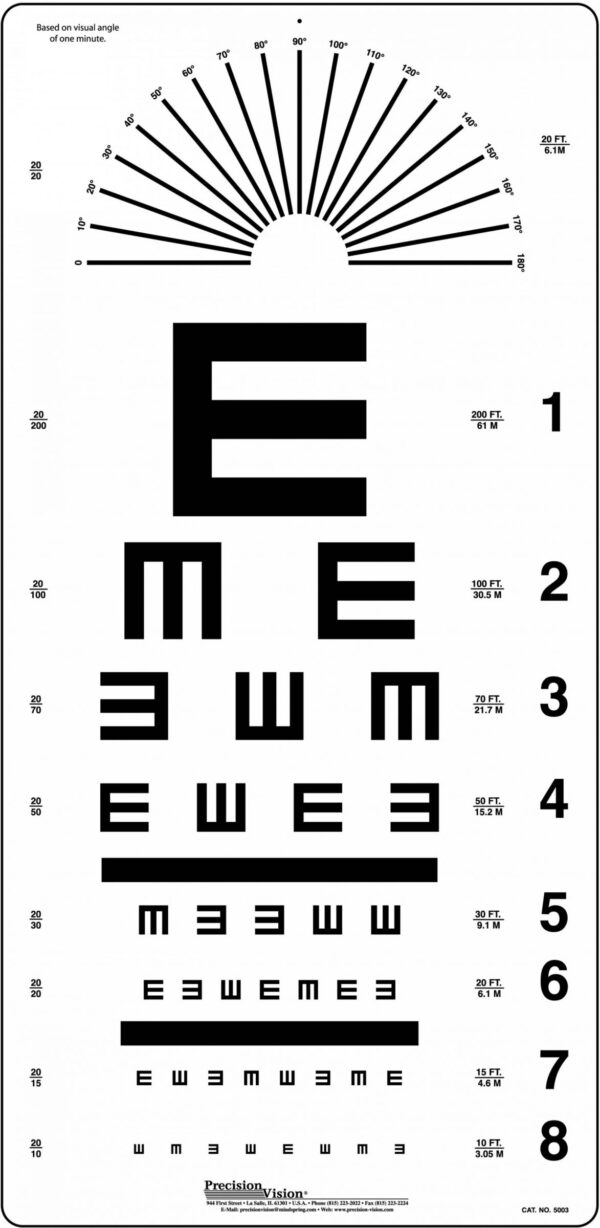
Tumbling "E" Eye Chart Precision Vision

Printable Tumbling E Eye Chart Vision Test

Eye Chart application (A) Snellen chart display; (B) tumbling E display. Download Scientific

Tumbling E Eye Chart Pdf Printable Worksheets
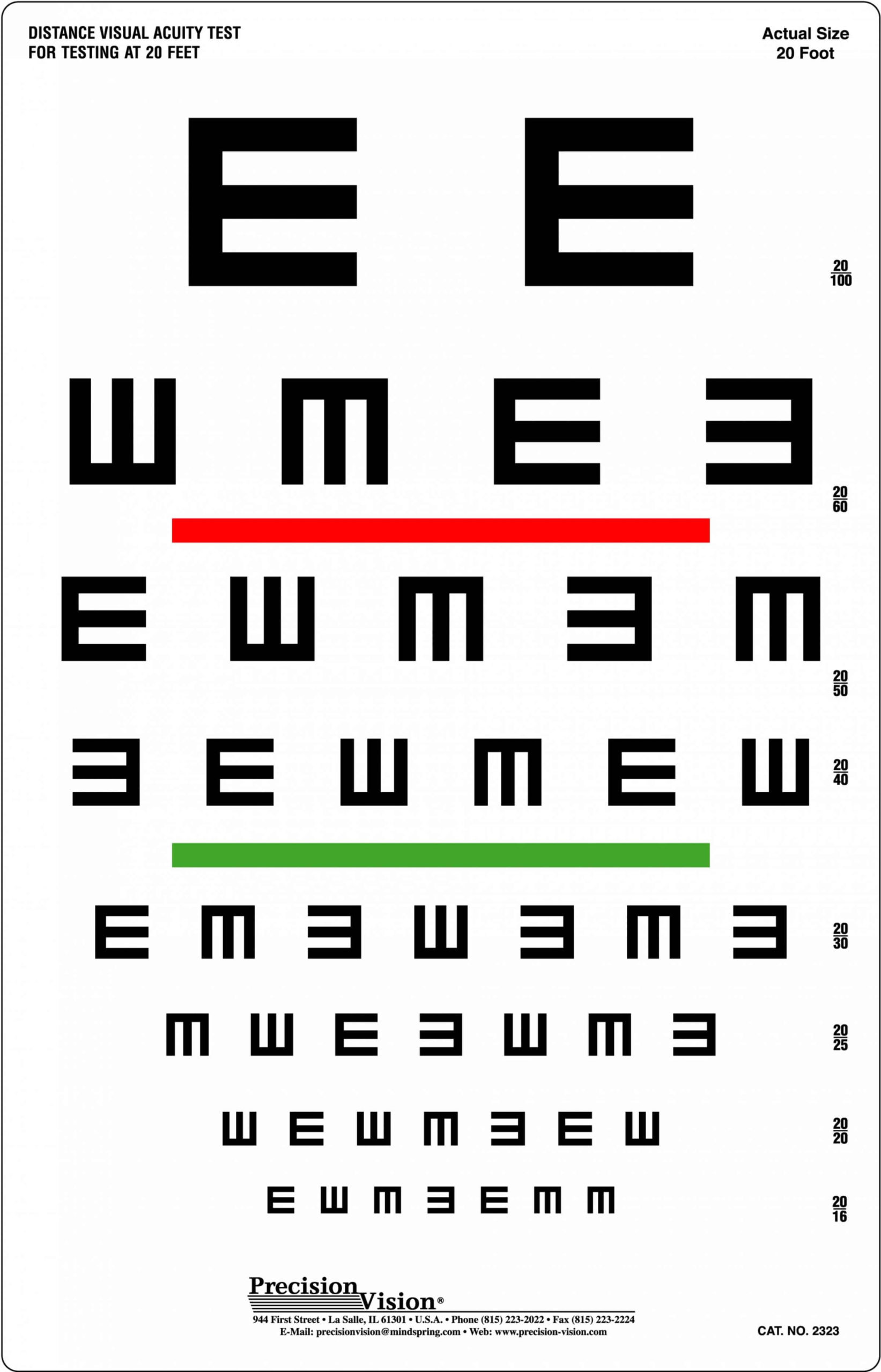
Tumbling E Eye Chart Printable Eye Chart Printable

Preschool Eye Charts 10 Free PDF Printables Printablee
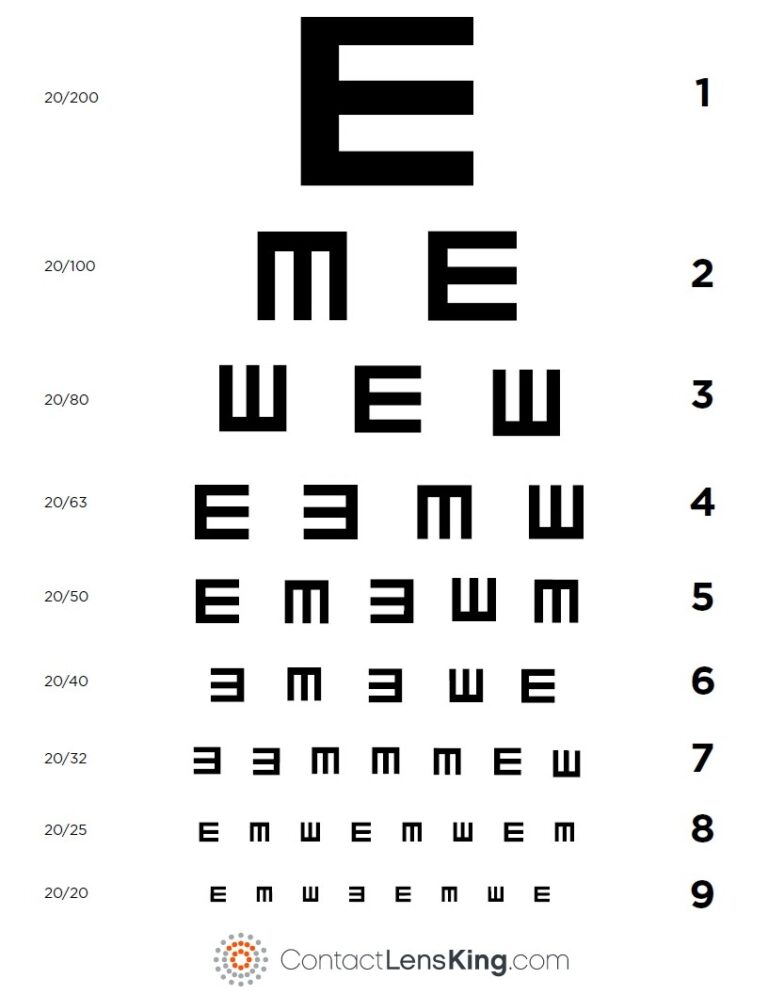
Tumbling E Vision Chart Printable Worksheets
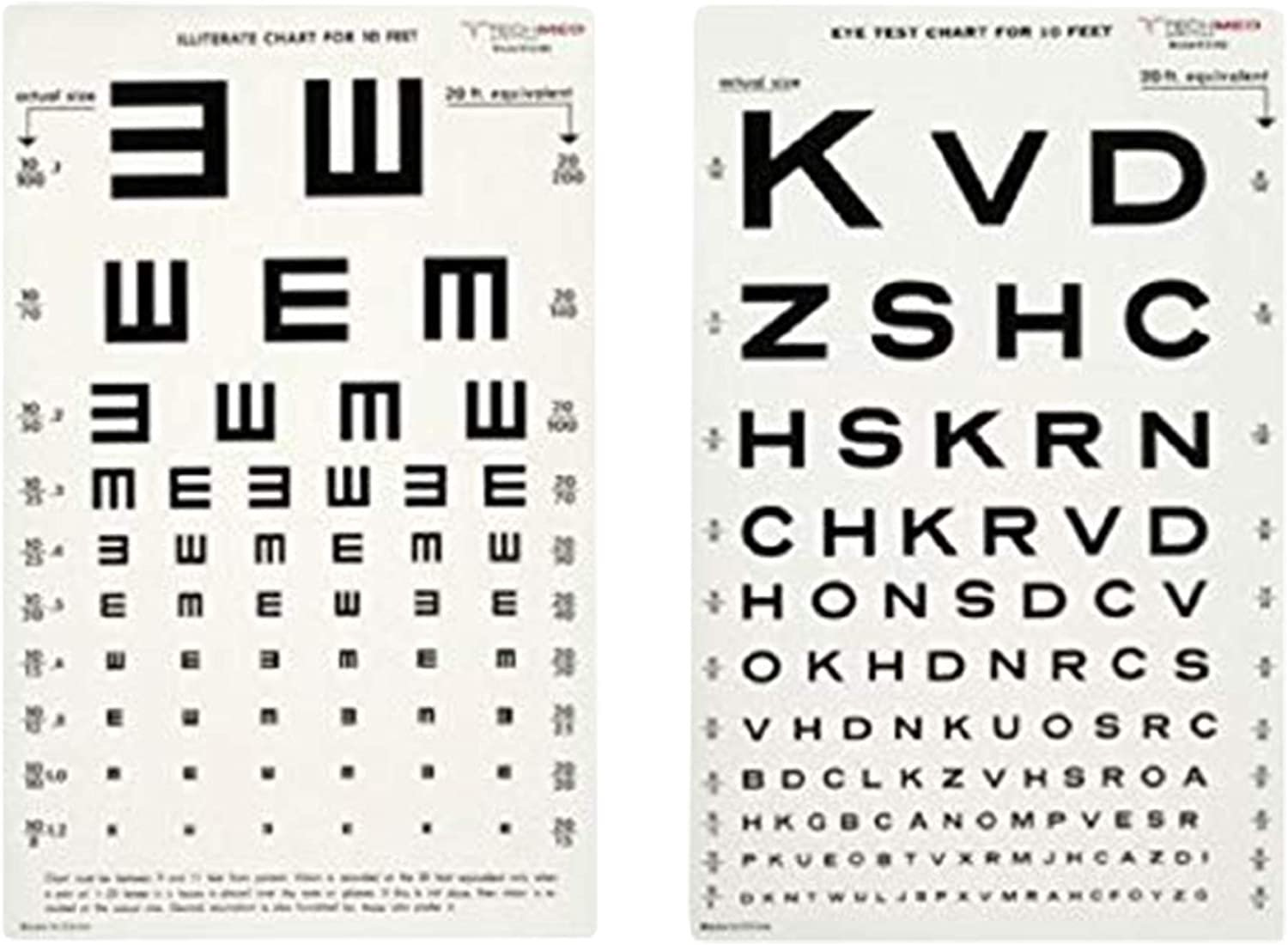
Dukal Illuminated Tumbling E Chart 20ft Visual Acuity Testing E S Eye Eye Chart Printable
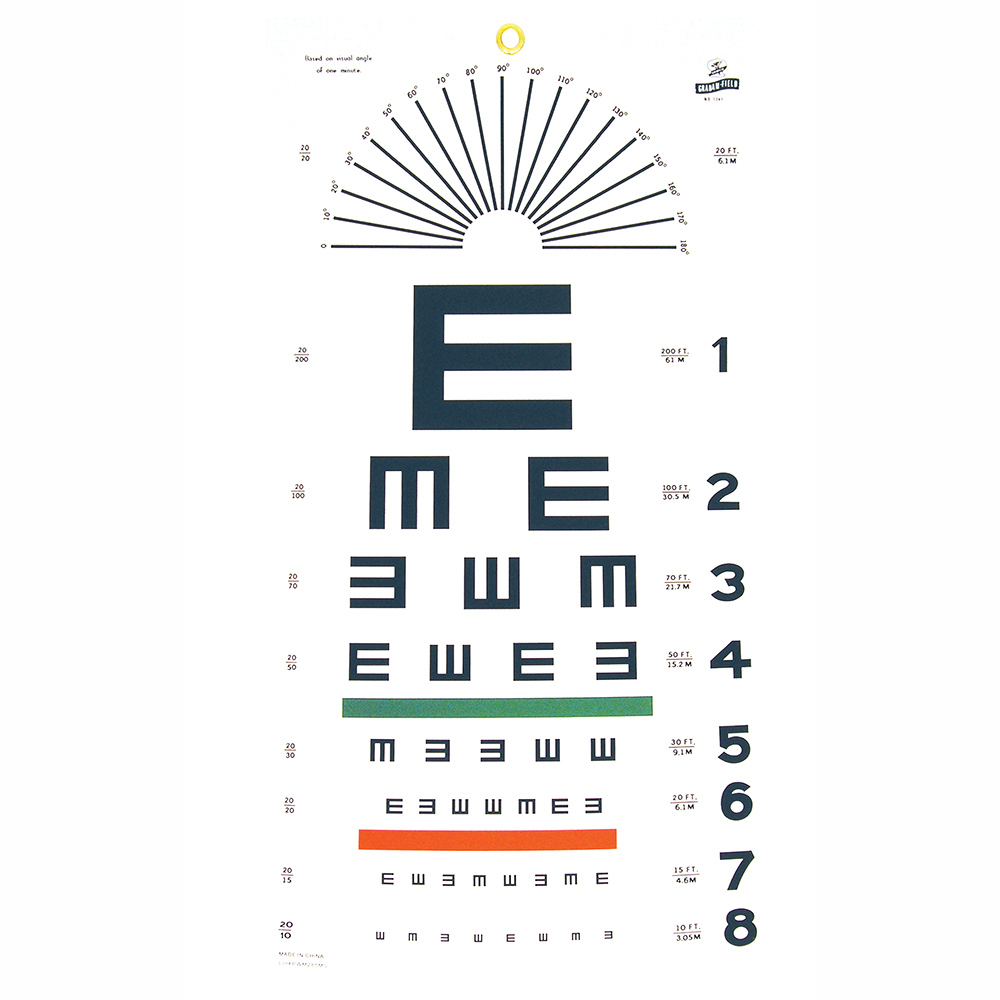
Tumbling E Eye Chart Eye Chart Printable
“Tumbling E” Eye Chart The Tumbling E Eye Chart Can Detect Nearsightedness In Young Children Who Don’t Yet Know All Letters Of The Alphabet.
Patients Simply Have To Sign Or Gesture Which Direction They See The E Facing.
Related Post: