
Ssri Switch Chart
Ssri Switch Chart - Selective serotonin reuptake inhibitors (ssris) are antidepressant drugs that affect serotonin levels in the brain. Selective serotonin reuptake inhibitors (ssris) are common medications used to treat mental health conditions, like depression and anxiety. Find a list of ssri medications, side effects, withdrawal. Serotonin is a neurotransmitter that influences mood, emotion, and sleep. They are now the most commonly prescribed. Ssri drugs are a type of antidepressant that have been shown to increase levels of serotonin within the brain. By blocking its reabsorption into. Ssri is short for selective serotonin reuptake inhibitor. Ssri stands for selective serotonin reuptake inhibitor. Selective serotonin reuptake inhibitors (ssris) are a class of drugs that are typically used as antidepressants in the treatment of major depressive disorder, anxiety disorders, and other. They are now the most commonly prescribed. Ssris function by increasing serotonin levels in the brain. By blocking its reabsorption into. Selective serotonin reuptake inhibitors (ssris) are a class of drugs that are typically used as antidepressants in the treatment of major depressive disorder, anxiety disorders, and other. Selective serotonin reuptake inhibitors (ssris) are antidepressant drugs that affect serotonin levels in the brain. Selective serotonin reuptake inhibitors, also called ssris, are the type of antidepressant prescribed most often. The ssris are a group of related chemical compounds that increase the amount of the neurotransmitter serotonin in. Serotonin is a neurotransmitter that influences mood, emotion, and sleep. Find a list of ssri medications, side effects, withdrawal. Ssri stands for selective serotonin reuptake inhibitor. Find a list of ssri medications, side effects, withdrawal. Ssri drugs are a type of antidepressant that have been shown to increase levels of serotonin within the brain. They can ease symptoms of moderate to severe depression. Ssri is short for selective serotonin reuptake inhibitor. Selective serotonin reuptake inhibitors, also called ssris, are the type of antidepressant prescribed most often. Ssri drugs are a type of antidepressant that have been shown to increase levels of serotonin within the brain. They are now the most commonly prescribed. Selective serotonin reuptake inhibitors, or ssris, were the third class or generation of antidepressants developed. Ssri is short for selective serotonin reuptake inhibitor. They can ease symptoms of moderate to severe depression. Selective serotonin reuptake inhibitors (ssris) are antidepressant medications used to treat depression, anxiety, panic disorder, and several other mental health conditions. By blocking its reabsorption into. Selective serotonin reuptake inhibitors (ssris) are antidepressant drugs that affect serotonin levels in the brain. Selective serotonin reuptake inhibitors, also called ssris, are the type of antidepressant prescribed most often. Ssris function by increasing. Serotonin is a neurotransmitter that influences mood, emotion, and sleep. Ssri stands for selective serotonin reuptake inhibitor. Selective serotonin reuptake inhibitors (ssris) are antidepressant drugs that affect serotonin levels in the brain. Ssris function by increasing serotonin levels in the brain. The ssris are a group of related chemical compounds that increase the amount of the neurotransmitter serotonin in. Serotonin is a neurotransmitter that influences mood, emotion, and sleep. By blocking its reabsorption into. Selective serotonin reuptake inhibitors (ssris) are common medications used to treat mental health conditions, like depression and anxiety. Ssri is short for selective serotonin reuptake inhibitor. The ssris are a group of related chemical compounds that increase the amount of the neurotransmitter serotonin in. Serotonin is a neurotransmitter that influences mood, emotion, and sleep. Ssri drugs are a type of antidepressant that have been shown to increase levels of serotonin within the brain. Selective serotonin reuptake inhibitors (ssris) are antidepressant drugs that affect serotonin levels in the brain. They are now the most commonly prescribed. Ssris function by increasing serotonin levels in the brain. By blocking its reabsorption into. Selective serotonin reuptake inhibitors (ssris) are antidepressant medications used to treat depression, anxiety, panic disorder, and several other mental health conditions. Ssri stands for selective serotonin reuptake inhibitor. Selective serotonin reuptake inhibitors, also called ssris, are the type of antidepressant prescribed most often. Ssri is short for selective serotonin reuptake inhibitor. Ssri drugs are a type of antidepressant that have been shown to increase levels of serotonin within the brain. Ssris function by increasing serotonin levels in the brain. Find a list of ssri medications, side effects, withdrawal. They can ease symptoms of moderate to severe depression. The ssris are a group of related chemical compounds that increase the amount of. Selective serotonin reuptake inhibitors (ssris) are common medications used to treat mental health conditions, like depression and anxiety. Selective serotonin reuptake inhibitors (ssris) are antidepressant medications used to treat depression, anxiety, panic disorder, and several other mental health conditions. Selective serotonin reuptake inhibitors, also called ssris, are the type of antidepressant prescribed most often. The ssris are a group of. Selective serotonin reuptake inhibitors, or ssris, were the third class or generation of antidepressants developed. Selective serotonin reuptake inhibitors (ssris) are antidepressant medications used to treat depression, anxiety, panic disorder, and several other mental health conditions. Ssri stands for selective serotonin reuptake inhibitor. The ssris are a group of related chemical compounds that increase the amount of the neurotransmitter serotonin. They can ease symptoms of moderate to severe depression. Selective serotonin reuptake inhibitors, or ssris, were the third class or generation of antidepressants developed. Ssri is short for selective serotonin reuptake inhibitor. Selective serotonin reuptake inhibitors, also called ssris, are the type of antidepressant prescribed most often. Selective serotonin reuptake inhibitors (ssris) are common medications used to treat mental health conditions, like depression and anxiety. Selective serotonin reuptake inhibitors (ssris) are antidepressant medications used to treat depression, anxiety, panic disorder, and several other mental health conditions. Find a list of ssri medications, side effects, withdrawal. The ssris are a group of related chemical compounds that increase the amount of the neurotransmitter serotonin in. Ssri drugs are a type of antidepressant that have been shown to increase levels of serotonin within the brain. They are now the most commonly prescribed. Ssri stands for selective serotonin reuptake inhibitor. Selective serotonin reuptake inhibitors (ssris) are antidepressant drugs that affect serotonin levels in the brain.Antidepressant Switching Table PDF Selective Serotonin Reuptake Inhibitor Antidepressant
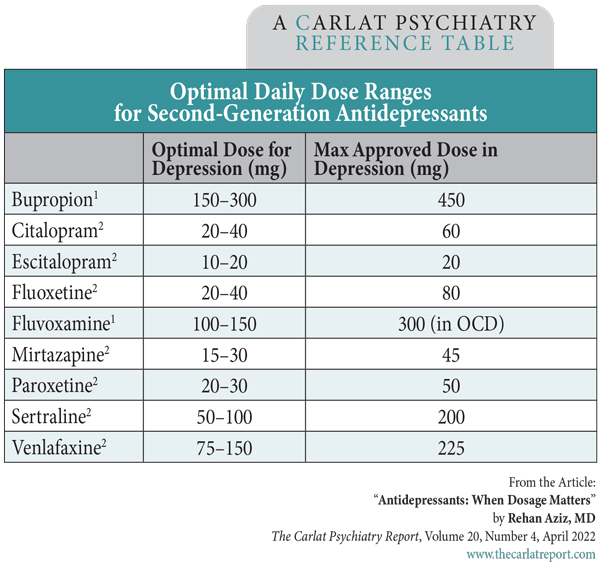
Switching Antidepressants For Seniors On Antidepressants, Adding A

Guidelines for switching between specific antidepressants 2,810... Download Scientific Diagram

Switching to Another SSRI or to Venlafaxine With or Without Cognitive Behavioral Therapy for

Ssri Side Effects Comparison Chart Comparison Of Antidepress
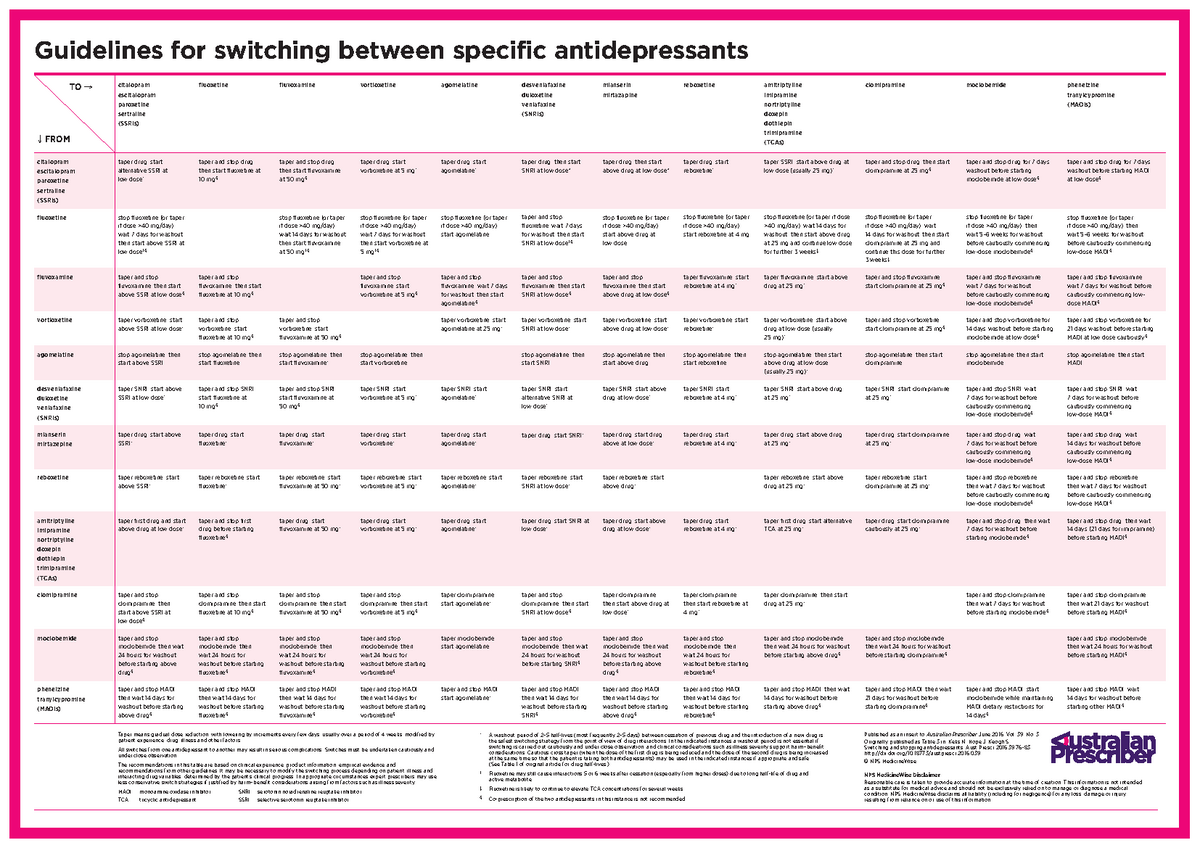
Guidelinesswitchingantidepressants A3 Guidelines for switching between specific

Switching Antidepressants Chart Gp Notebook at Darlene Huth blog

Switching Psychopharmacological Drugs SwitchWiki Dr Shock MD PhD
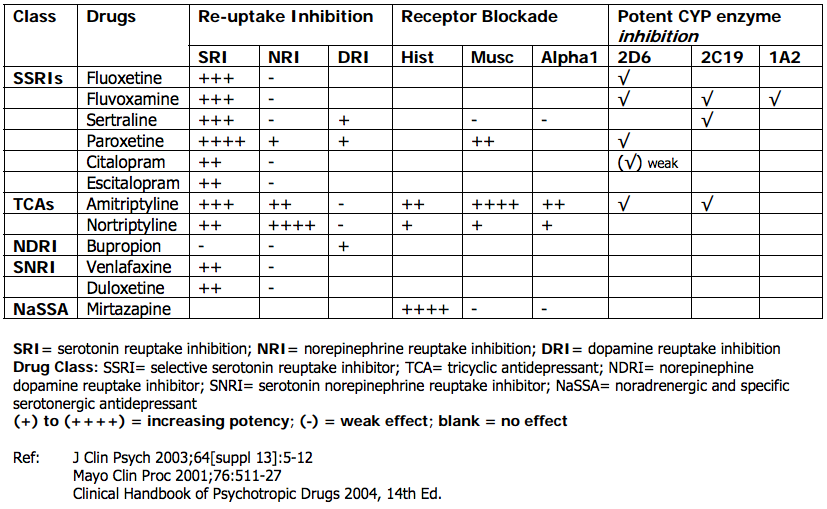
Switching Antidepressants Chart Gp Notebook at Darlene Huth blog
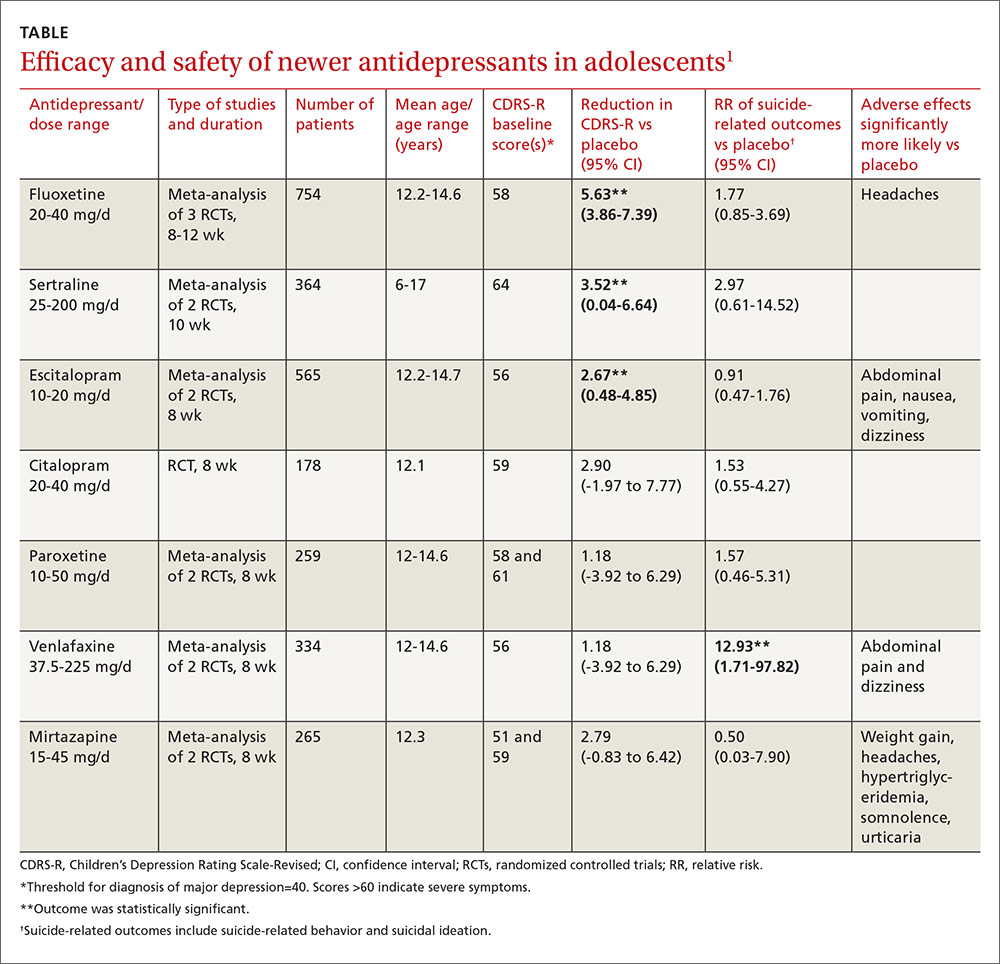
Which SSRIs most effectively treat depression in adolescents? MDedge
Ssris Function By Increasing Serotonin Levels In The Brain.
By Blocking Its Reabsorption Into.
Selective Serotonin Reuptake Inhibitors (Ssris) Are A Class Of Drugs That Are Typically Used As Antidepressants In The Treatment Of Major Depressive Disorder, Anxiety Disorders, And Other.
Serotonin Is A Neurotransmitter That Influences Mood, Emotion, And Sleep.
Related Post:
