
Peroneal Tendonitis Outer Side Foot Pain Chart
Peroneal Tendonitis Outer Side Foot Pain Chart - Treating it depends on the underlying cause,. Peroneal tendon disorders are a cause of hindfoot and lateral foot pain. Peroneal tendonitis is an overuse injury causing pain on the outside of the ankle. Peroneal tendons are crucial structures on the outer side of the ankle that help with movements like turning the foot outward (eversion). Over time, the peroneal tendon rubs on the bone leading to inflammation and eventually. Peroneal tendonitis, peroneal subluxation, and. Mild peroneal nerve injuries can cause numbness, tingling, pain and weakness. More severe injuries can be characterized by a foot drop, a distinctive way of walking that results from being. Peroneal tendonitis is irritation or inflammation in the tendons that run along the outside of your ankle and foot. The peroneal is one of the major nerves in your leg, and the most common injury symptom is weakness when raising your toes. Injuries to these tendons, especially tears or ruptures,. Peroneal nerve injuries damage the peroneal nerve, which runs through the front of your legs and extends to your feet and toes. Find out what causes the peroneal tendons to become inflamed and how this peroneal tendonitis is treated. This article covers the anatomy of the peroneal muscles (peroneus longus and brevis), their innervation, and function. Peroneal tendons are crucial structures on the outer side of the ankle that help with movements like turning the foot outward (eversion). Peroneal tendonitis is an overuse injury causing pain on the outside of the ankle. Click now to learn more at kenhub! Peroneal tendonitis, peroneal subluxation, and. Many people with a peroneal nerve injury develop. It’s a result of repetitive movement, including running long distances. Mild peroneal nerve injuries can cause numbness, tingling, pain and weakness. Over time, the peroneal tendon rubs on the bone leading to inflammation and eventually. It’s a result of repetitive movement, including running long distances. It’s usually due to overexertion and typically heals with a few. More severe injuries can be characterized by a foot drop, a distinctive way of. Peroneal tendons are crucial structures on the outer side of the ankle that help with movements like turning the foot outward (eversion). Click now to learn more at kenhub! Mild peroneal nerve injuries can cause numbness, tingling, pain and weakness. Treating it depends on the underlying cause,. There are three primary disorders of the tendons; Mild peroneal nerve injuries can cause numbness, tingling, pain and weakness. Over time, the peroneal tendon rubs on the bone leading to inflammation and eventually. Treating it depends on the underlying cause,. Many people with a peroneal nerve injury develop. Peroneal tendonitis is an inflammation of the ankle tendons that causes pain and swelling on the outer ankle. More severe injuries can be characterized by a foot drop, a distinctive way of walking that results from being. Over time, the peroneal tendon rubs on the bone leading to inflammation and eventually. It’s a result of repetitive movement, including running long distances. Peroneal nerve injuries damage the peroneal nerve, which runs through the front of your legs and extends. Many people with a peroneal nerve injury develop. Peroneal tendonitis is an overuse injury causing pain on the outside of the ankle. More severe injuries can be characterized by a foot drop, a distinctive way of walking that results from being. Peroneal tendonitis is an inflammation of the ankle tendons that causes pain and swelling on the outer ankle. This. Injuries to these tendons, especially tears or ruptures,. Peroneal tendonitis, peroneal subluxation, and. Peroneal tendons are crucial structures on the outer side of the ankle that help with movements like turning the foot outward (eversion). It’s usually due to overexertion and typically heals with a few. Treating it depends on the underlying cause,. Peroneal tendonitis is an overuse injury causing pain on the outside of the ankle. Treating it depends on the underlying cause,. This article covers the anatomy of the peroneal muscles (peroneus longus and brevis), their innervation, and function. Mild peroneal nerve injuries can cause numbness, tingling, pain and weakness. Peroneal tendon disorders are a cause of hindfoot and lateral foot. Many people with a peroneal nerve injury develop. Peroneal tendonitis is irritation or inflammation in the tendons that run along the outside of your ankle and foot. Peroneal tendons are crucial structures on the outer side of the ankle that help with movements like turning the foot outward (eversion). It’s a result of repetitive movement, including running long distances. Peroneal. Peroneal nerve injuries damage the peroneal nerve, which runs through the front of your legs and extends to your feet and toes. The peroneal is one of the major nerves in your leg, and the most common injury symptom is weakness when raising your toes. Click now to learn more at kenhub! Peroneal tendons are crucial structures on the outer. This article covers the anatomy of the peroneal muscles (peroneus longus and brevis), their innervation, and function. Mild peroneal nerve injuries can cause numbness, tingling, pain and weakness. Treating it depends on the underlying cause,. Peroneal tendons are crucial structures on the outer side of the ankle that help with movements like turning the foot outward (eversion). It’s usually due. Peroneal tendonitis is irritation or inflammation in the tendons that run along the outside of your ankle and foot. The peroneal is one of the major nerves in your leg, and the most common injury symptom is weakness when raising your toes. This article covers the anatomy of the peroneal muscles (peroneus longus and brevis), their innervation, and function. Peroneal tendons are crucial structures on the outer side of the ankle that help with movements like turning the foot outward (eversion). There are three primary disorders of the tendons; Over time, the peroneal tendon rubs on the bone leading to inflammation and eventually. Peroneal nerve injuries damage the peroneal nerve, which runs through the front of your legs and extends to your feet and toes. Treating it depends on the underlying cause,. Peroneal tendonitis is an inflammation of the ankle tendons that causes pain and swelling on the outer ankle. More severe injuries can be characterized by a foot drop, a distinctive way of walking that results from being. Many people with a peroneal nerve injury develop. Injuries to these tendons, especially tears or ruptures,. Peroneal tendonitis is an overuse injury causing pain on the outside of the ankle. Click now to learn more at kenhub! It’s usually due to overexertion and typically heals with a few. Find out what causes the peroneal tendons to become inflamed and how this peroneal tendonitis is treated.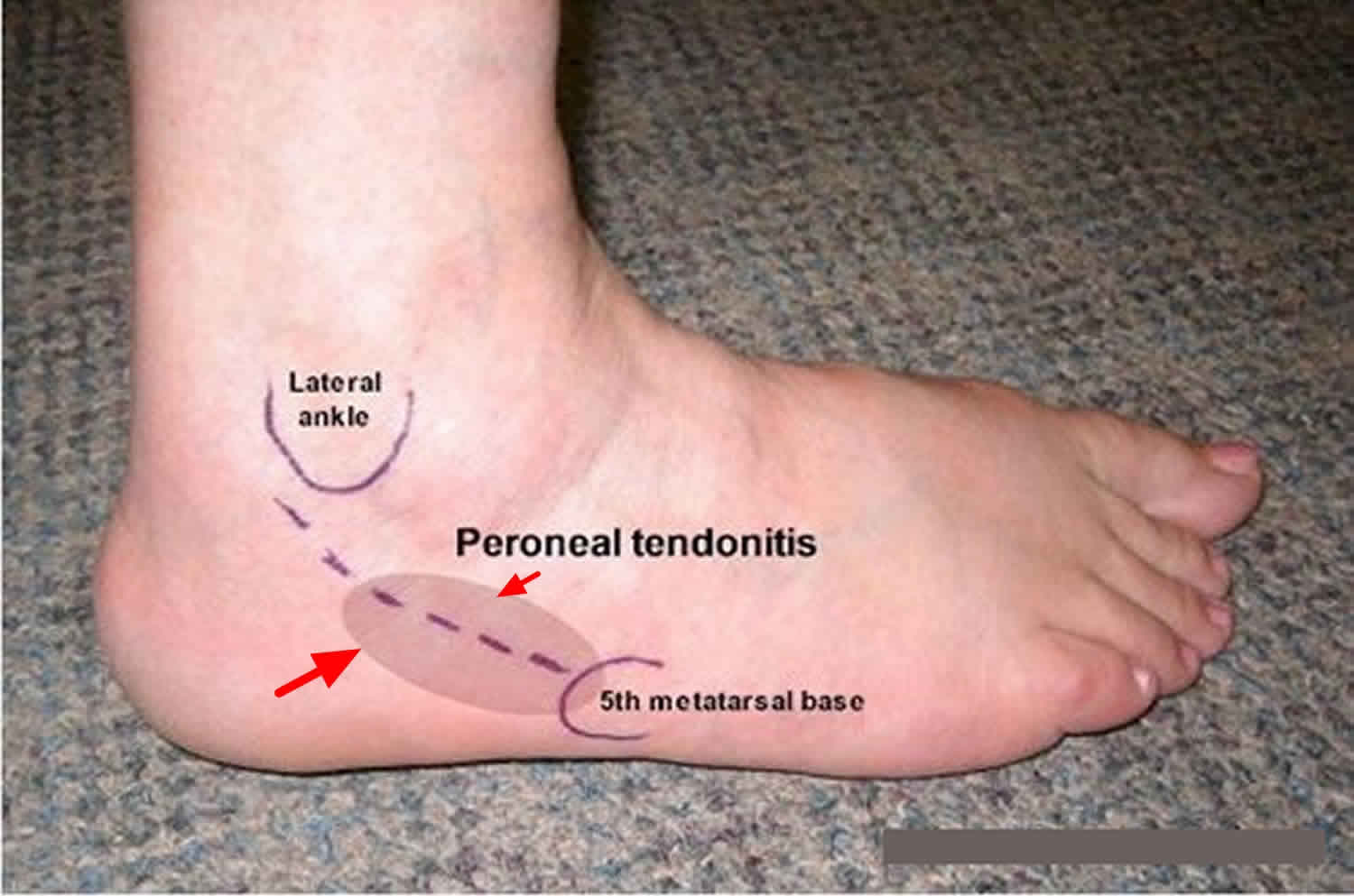
Pain At The Back Of The Ankle It Could Be Peroneal Tendonitis Triad Postgray
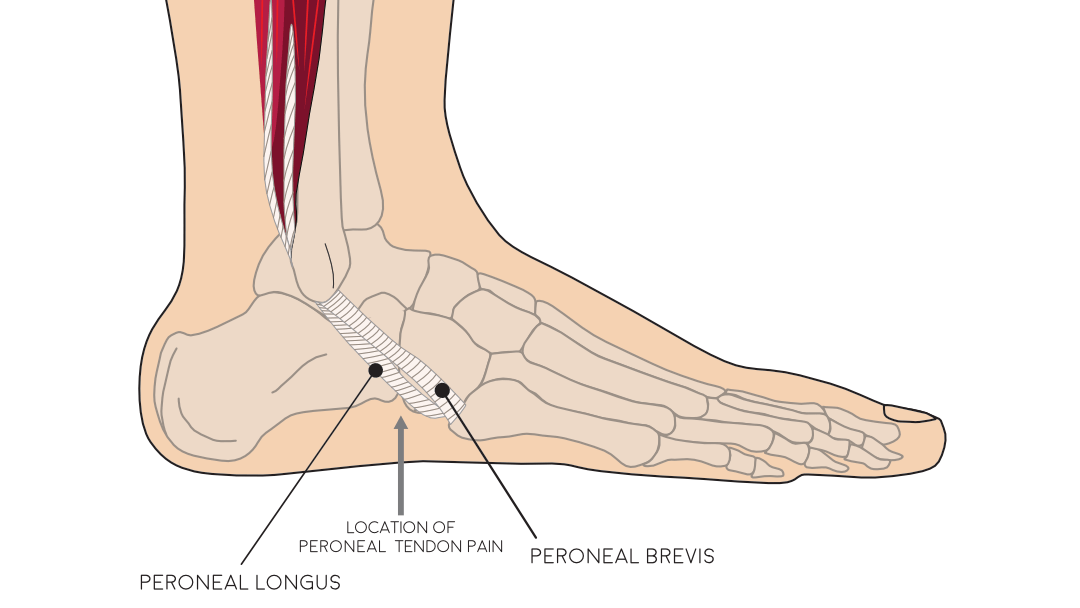
Ankle Pain On Side Of Foot Deals

Peroneal Tendon Injuries Outer Foot Pain Katy Foot Care
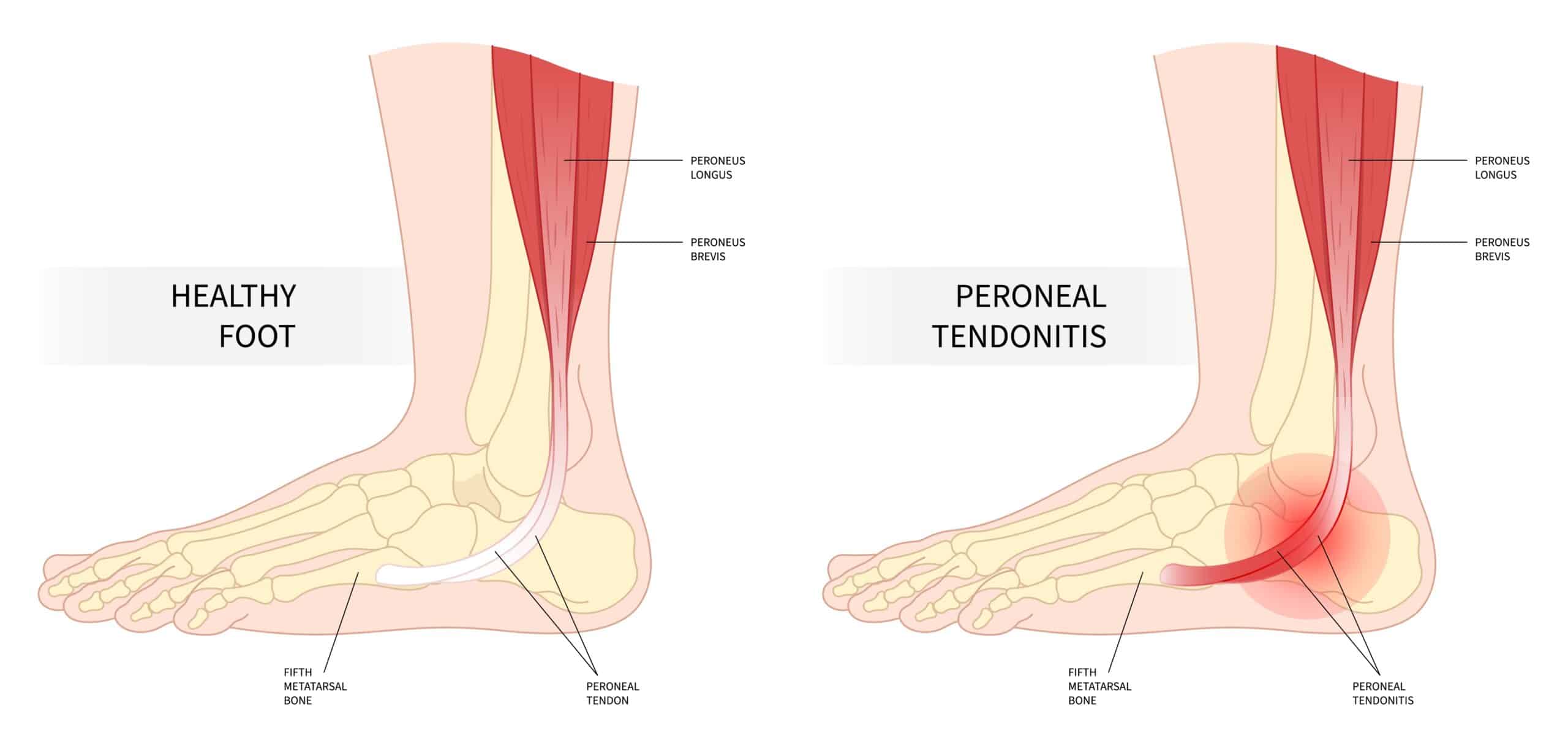
Tendonitis On The Side Of The Foot Online

Peroneal Tendonitis Outer Side Foot Pain Chart

Outside Foot Pain

What Is Peroneal Tendonitis
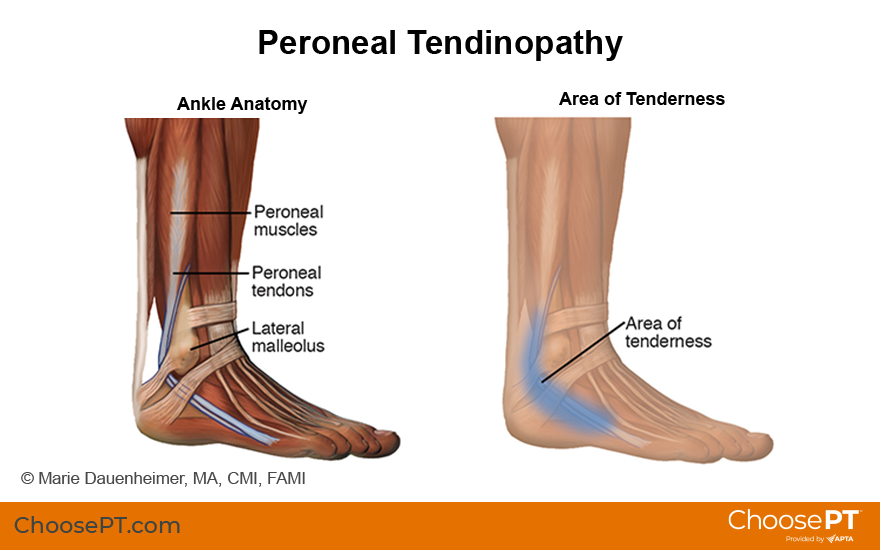
Guide Physical Therapy Guide to Peroneal Tendinopathy Choose PT
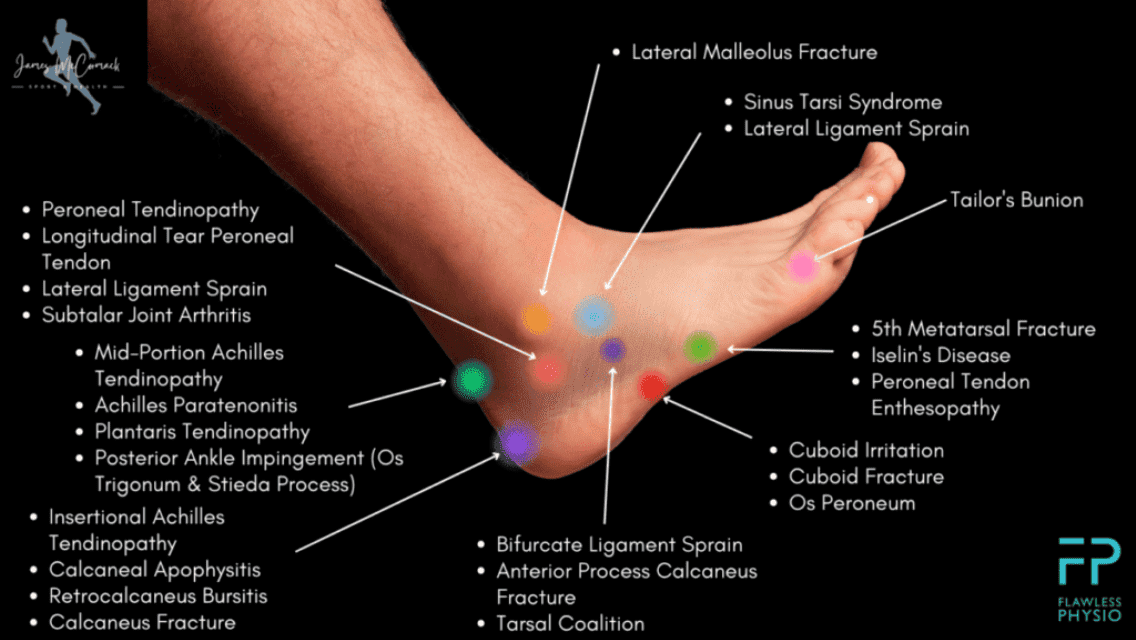
Foot Pain Chart Outer Side Download Printable PDF Templateroller
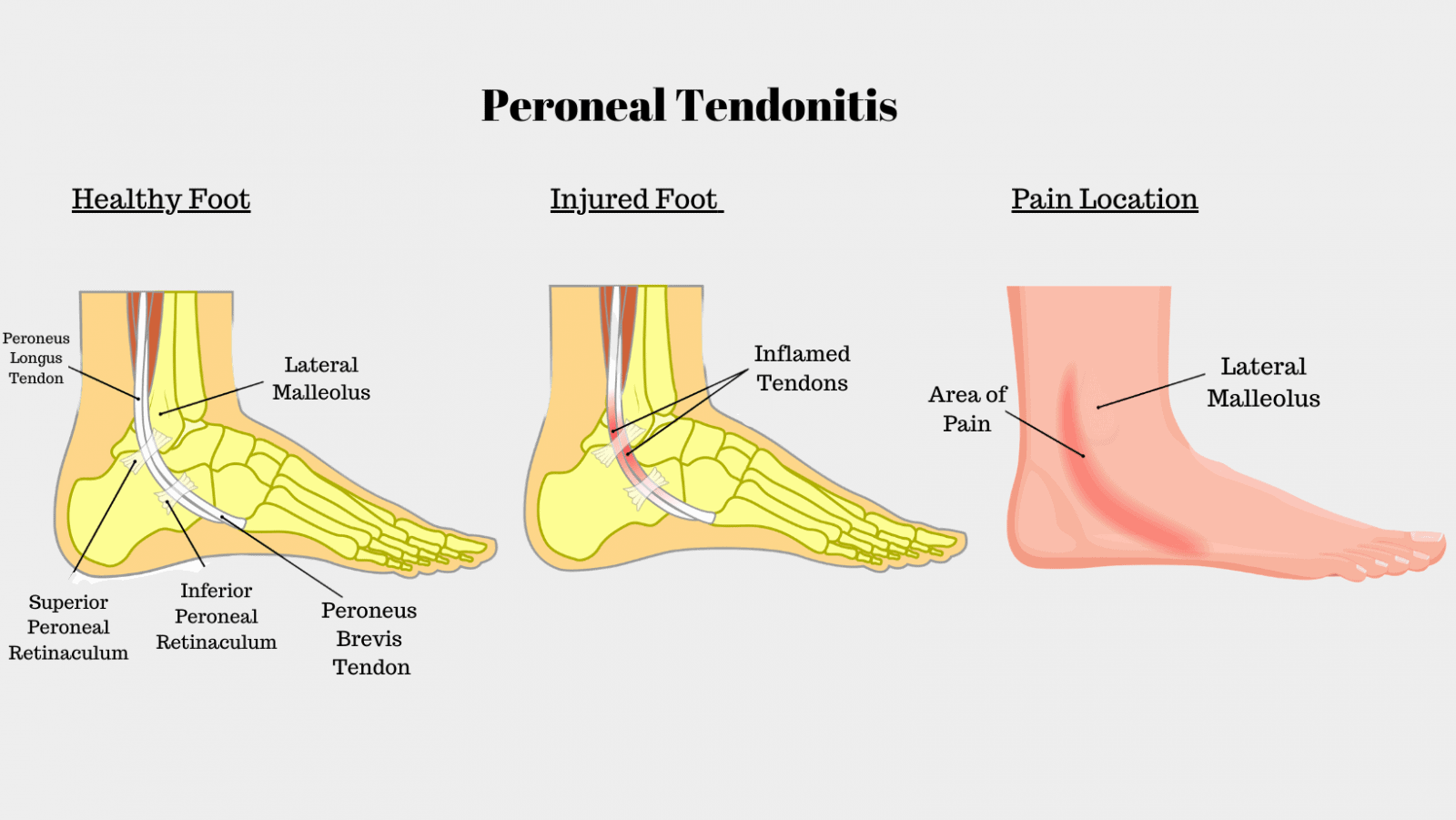
Peroneus Longus Pain
It’s A Result Of Repetitive Movement, Including Running Long Distances.
Peroneal Tendonitis, Peroneal Subluxation, And.
Mild Peroneal Nerve Injuries Can Cause Numbness, Tingling, Pain And Weakness.
Peroneal Tendon Disorders Are A Cause Of Hindfoot And Lateral Foot Pain.
Related Post: