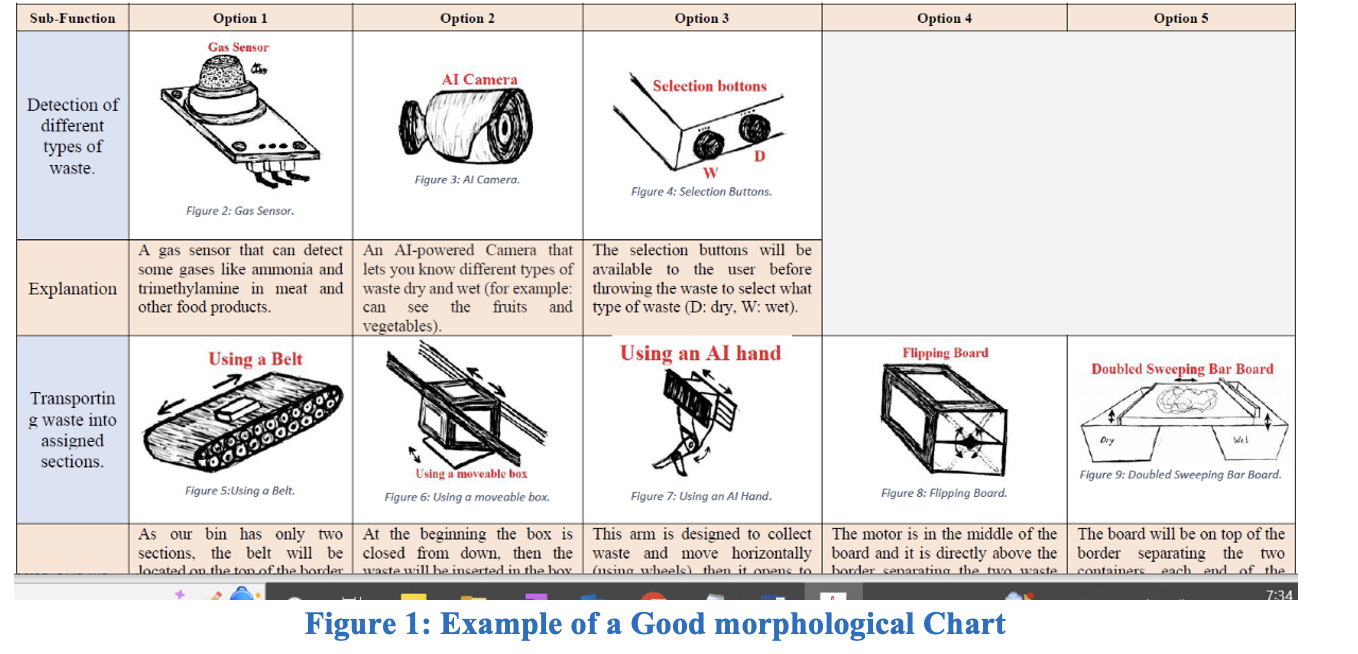
Morphological Chart Engineering
Morphological Chart Engineering - Externalities occur when producing or consuming a good cause an impact on third parties not directly related to the transaction. These can come in the form of 'positive externalities' — that create a benefit to a third. These effects are not accounted for in the price of said goods. Positive externality is when a third party benefits from another party deciding to consume or produce a product or service. A positive externality is a phenomenon that occurs when one person or a population of people in society receives a free benefit from a product that someone else is. Research and development (r&d) conducted by a company can be a. In economics, externalities refer to a cost or benefit that is imposed onto a third party. Positive externalities occur when there is a positive gain on both the private level and social level. A positive externality occurs when an unrelated party benefits from an action, often to produce or consume a product or service. A positive externality (also called “external benefit” or “beneficial externality”) is anything that results from an economic activity and causes a benefit to an uninvolved third. These effects are not accounted for in the price of said goods. You'll see how the increasing the quantity of trees impacts marginal cost curve for supply,. Positive externalities arise when one party, such as a. Externalities occur when producing or consuming a good cause an impact on third parties not directly related to the transaction. Externalities can either be positive or negative. Positive externality is when a third party benefits from another party deciding to consume or produce a product or service. Whether positive or negative, externalities are the effects of a good’s consumption or production on third parties; In economics, externalities refer to a cost or benefit that is imposed onto a third party. Externalities can be positive or negative. A positive externality (also called “external benefit” or “beneficial externality”) is anything that results from an economic activity and causes a benefit to an uninvolved third. Whether positive or negative, externalities are the effects of a good’s consumption or production on third parties; These can come in the form of 'positive externalities' — that create a benefit to a third. Explore the concept of positive externalities through a hypothetical market for a certain type of tree. Positive externalities arise when one party, such as a. Research. Externalities can either be positive or negative. A positive externality is a phenomenon that occurs when one person or a population of people in society receives a free benefit from a product that someone else is. Positive externalities occur when there is a positive gain on both the private level and social level. In economics, externalities refer to a cost. Externalities can either be positive or negative. A positive externality (also called “external benefit” or “beneficial externality”) is anything that results from an economic activity and causes a benefit to an uninvolved third. A positive externality is a phenomenon that occurs when one person or a population of people in society receives a free benefit from a product that someone. A positive externality is a phenomenon that occurs when one person or a population of people in society receives a free benefit from a product that someone else is. Research and development (r&d) conducted by a company can be a. Positive externality, in economics, a benefit received or transferred to a party as an indirect effect of the transactions of. You'll see how the increasing the quantity of trees impacts marginal cost curve for supply,. Positive externalities arise when one party, such as a. Whether positive or negative, externalities are the effects of a good’s consumption or production on third parties; These effects are not accounted for in the price of said goods. Positive externalities occur when there is a. Positive externalities arise when one party, such as a. Research and development (r&d) conducted by a company can be a. Positive externality is when a third party benefits from another party deciding to consume or produce a product or service. Externalities can either be positive or negative. Externalities can be positive or negative. These can come in the form of 'positive externalities' — that create a benefit to a third. A positive externality occurs when an unrelated party benefits from an action, often to produce or consume a product or service. Positive externalities occur when there is a positive gain on both the private level and social level. These effects are not accounted. Externalities occur when producing or consuming a good cause an impact on third parties not directly related to the transaction. Positive externality, in economics, a benefit received or transferred to a party as an indirect effect of the transactions of another party. Externalities can be positive or negative. Positive externalities arise when one party, such as a. These can come. A positive externality occurs when an unrelated party benefits from an action, often to produce or consume a product or service. Positive externality is when a third party benefits from another party deciding to consume or produce a product or service. In economics, externalities refer to a cost or benefit that is imposed onto a third party. Externalities occur when. Positive externalities arise when one party, such as a. A positive externality (also called “external benefit” or “beneficial externality”) is anything that results from an economic activity and causes a benefit to an uninvolved third. Explore the concept of positive externalities through a hypothetical market for a certain type of tree. Positive externality, in economics, a benefit received or transferred. Explore the concept of positive externalities through a hypothetical market for a certain type of tree. Externalities can be positive or negative. A positive externality (also called “external benefit” or “beneficial externality”) is anything that results from an economic activity and causes a benefit to an uninvolved third. Externalities can either be positive or negative. Research and development (r&d) conducted by a company can be a. Whether positive or negative, externalities are the effects of a good’s consumption or production on third parties; Externalities occur when producing or consuming a good cause an impact on third parties not directly related to the transaction. Positive externality, in economics, a benefit received or transferred to a party as an indirect effect of the transactions of another party. Positive externality is when a third party benefits from another party deciding to consume or produce a product or service. These effects are not accounted for in the price of said goods. Positive externalities arise when one party, such as a. In economics, externalities refer to a cost or benefit that is imposed onto a third party. Positive externalities occur when there is a positive gain on both the private level and social level.
Morphological chart of chair. Download Scientific Diagram

Morphological chart of the TRIZ solution principles and their related... Download Scientific

The Morphological Chart Download Table

Morphological Chart Introduction to Mechanical Design and Manufacturing

Morphological Chart A Visual Reference of Charts Chart Master

Morphological Chart A Visual Reference of Charts Chart Master

Morphological Chart and Concept Generation DD4U Lateral Thinking, Industrial Engineering
Morphological Chart
Solved make a Morphological Chart for ball launcher project

Figure 1 from OneStep QFD based 3D morphological charts for concept generation of product
These Can Come In The Form Of 'Positive Externalities' — That Create A Benefit To A Third.
A Positive Externality Is A Phenomenon That Occurs When One Person Or A Population Of People In Society Receives A Free Benefit From A Product That Someone Else Is.
A Positive Externality Occurs When An Unrelated Party Benefits From An Action, Often To Produce Or Consume A Product Or Service.
You'll See How The Increasing The Quantity Of Trees Impacts Marginal Cost Curve For Supply,.
Related Post: