
Hyperglycemia Vs Hypoglycemia Symptoms Chart
Hyperglycemia Vs Hypoglycemia Symptoms Chart - This article provides a comprehensive overview of hypoglycemia and hyperglycemia, two common conditions related to blood sugar levels. If your blood sugar remains high despite these efforts, contact your doctor. Understanding hyperglycemia vs hypoglycemia and managing these conditions is vital for preventing complications of diabetes. In some cases, severe hyperglycemia can lead to diabetic ketoacidosis (dka) or hyperosmolar. Other symptoms can include weakness or feeling tired, weight loss or blurred vision. The main 3 symptoms of hyperglycemia are increased urination, increased thirst and increased hunger. This article will explain the differences clearly, helping you live a healthier life. Understanding hypoglycemia vs hyperglycemia helps you manage your blood sugar better. Learn how to manage hypoglycemia, why glucagon is essential for severe lows, and how to stay prepared to prevent dangerous blood sugar drops. This article will explain the differences clearly, helping you live a healthier life. Understanding hypoglycemia vs hyperglycemia helps you manage your blood sugar better. This article provides a comprehensive overview of hypoglycemia and hyperglycemia, two common conditions related to blood sugar levels. If your blood sugar remains high despite these efforts, contact your doctor. Understanding hyperglycemia vs hypoglycemia and managing these conditions is vital for preventing complications of diabetes. Learn how to manage hypoglycemia, why glucagon is essential for severe lows, and how to stay prepared to prevent dangerous blood sugar drops. Other symptoms can include weakness or feeling tired, weight loss or blurred vision. The main 3 symptoms of hyperglycemia are increased urination, increased thirst and increased hunger. In some cases, severe hyperglycemia can lead to diabetic ketoacidosis (dka) or hyperosmolar. This article provides a comprehensive overview of hypoglycemia and hyperglycemia, two common conditions related to blood sugar levels. Other symptoms can include weakness or feeling tired, weight loss or blurred vision. In some cases, severe hyperglycemia can lead to diabetic ketoacidosis (dka) or hyperosmolar. Understanding hyperglycemia vs hypoglycemia and managing these conditions is vital for preventing complications of diabetes. Learn. If your blood sugar remains high despite these efforts, contact your doctor. The main 3 symptoms of hyperglycemia are increased urination, increased thirst and increased hunger. This article provides a comprehensive overview of hypoglycemia and hyperglycemia, two common conditions related to blood sugar levels. Learn how to manage hypoglycemia, why glucagon is essential for severe lows, and how to stay. This article will explain the differences clearly, helping you live a healthier life. If your blood sugar remains high despite these efforts, contact your doctor. Understanding hypoglycemia vs hyperglycemia helps you manage your blood sugar better. Other symptoms can include weakness or feeling tired, weight loss or blurred vision. Understanding hyperglycemia vs hypoglycemia and managing these conditions is vital for. Other symptoms can include weakness or feeling tired, weight loss or blurred vision. In some cases, severe hyperglycemia can lead to diabetic ketoacidosis (dka) or hyperosmolar. This article will explain the differences clearly, helping you live a healthier life. If your blood sugar remains high despite these efforts, contact your doctor. Learn how to manage hypoglycemia, why glucagon is essential. This article provides a comprehensive overview of hypoglycemia and hyperglycemia, two common conditions related to blood sugar levels. Other symptoms can include weakness or feeling tired, weight loss or blurred vision. This article will explain the differences clearly, helping you live a healthier life. The main 3 symptoms of hyperglycemia are increased urination, increased thirst and increased hunger. Understanding hypoglycemia. In some cases, severe hyperglycemia can lead to diabetic ketoacidosis (dka) or hyperosmolar. Learn how to manage hypoglycemia, why glucagon is essential for severe lows, and how to stay prepared to prevent dangerous blood sugar drops. The main 3 symptoms of hyperglycemia are increased urination, increased thirst and increased hunger. Understanding hypoglycemia vs hyperglycemia helps you manage your blood sugar. If your blood sugar remains high despite these efforts, contact your doctor. The main 3 symptoms of hyperglycemia are increased urination, increased thirst and increased hunger. This article will explain the differences clearly, helping you live a healthier life. Learn how to manage hypoglycemia, why glucagon is essential for severe lows, and how to stay prepared to prevent dangerous blood. This article will explain the differences clearly, helping you live a healthier life. Other symptoms can include weakness or feeling tired, weight loss or blurred vision. In some cases, severe hyperglycemia can lead to diabetic ketoacidosis (dka) or hyperosmolar. Learn how to manage hypoglycemia, why glucagon is essential for severe lows, and how to stay prepared to prevent dangerous blood. This article will explain the differences clearly, helping you live a healthier life. Understanding hyperglycemia vs hypoglycemia and managing these conditions is vital for preventing complications of diabetes. This article provides a comprehensive overview of hypoglycemia and hyperglycemia, two common conditions related to blood sugar levels. Other symptoms can include weakness or feeling tired, weight loss or blurred vision. Understanding. Understanding hypoglycemia vs hyperglycemia helps you manage your blood sugar better. This article will explain the differences clearly, helping you live a healthier life. Learn how to manage hypoglycemia, why glucagon is essential for severe lows, and how to stay prepared to prevent dangerous blood sugar drops. The main 3 symptoms of hyperglycemia are increased urination, increased thirst and increased. Understanding hyperglycemia vs hypoglycemia and managing these conditions is vital for preventing complications of diabetes. This article provides a comprehensive overview of hypoglycemia and hyperglycemia, two common conditions related to blood sugar levels. If your blood sugar remains high despite these efforts, contact your doctor. Learn how to manage hypoglycemia, why glucagon is essential for severe lows, and how to stay prepared to prevent dangerous blood sugar drops. The main 3 symptoms of hyperglycemia are increased urination, increased thirst and increased hunger. Other symptoms can include weakness or feeling tired, weight loss or blurred vision. This article will explain the differences clearly, helping you live a healthier life.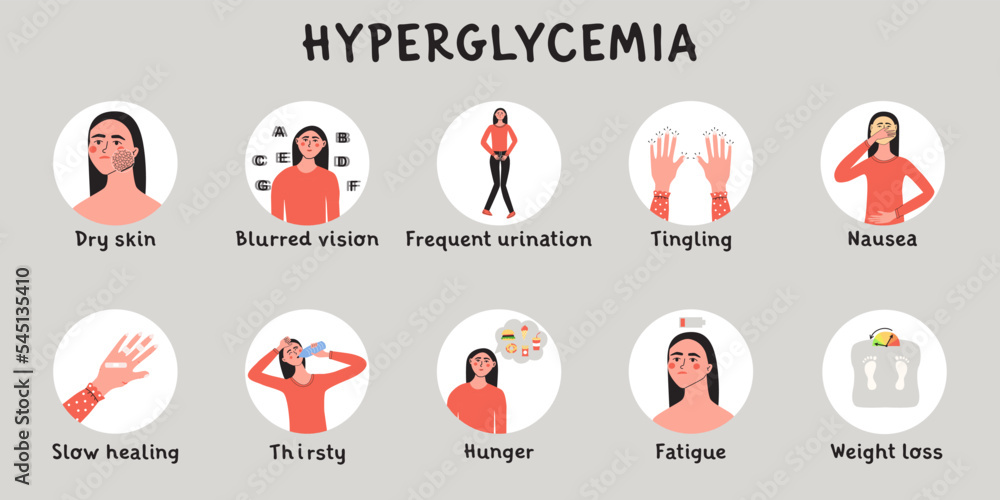
Hyperglycemia, high sugar glucose level in blood symptoms. Infografic with woman character. Flat
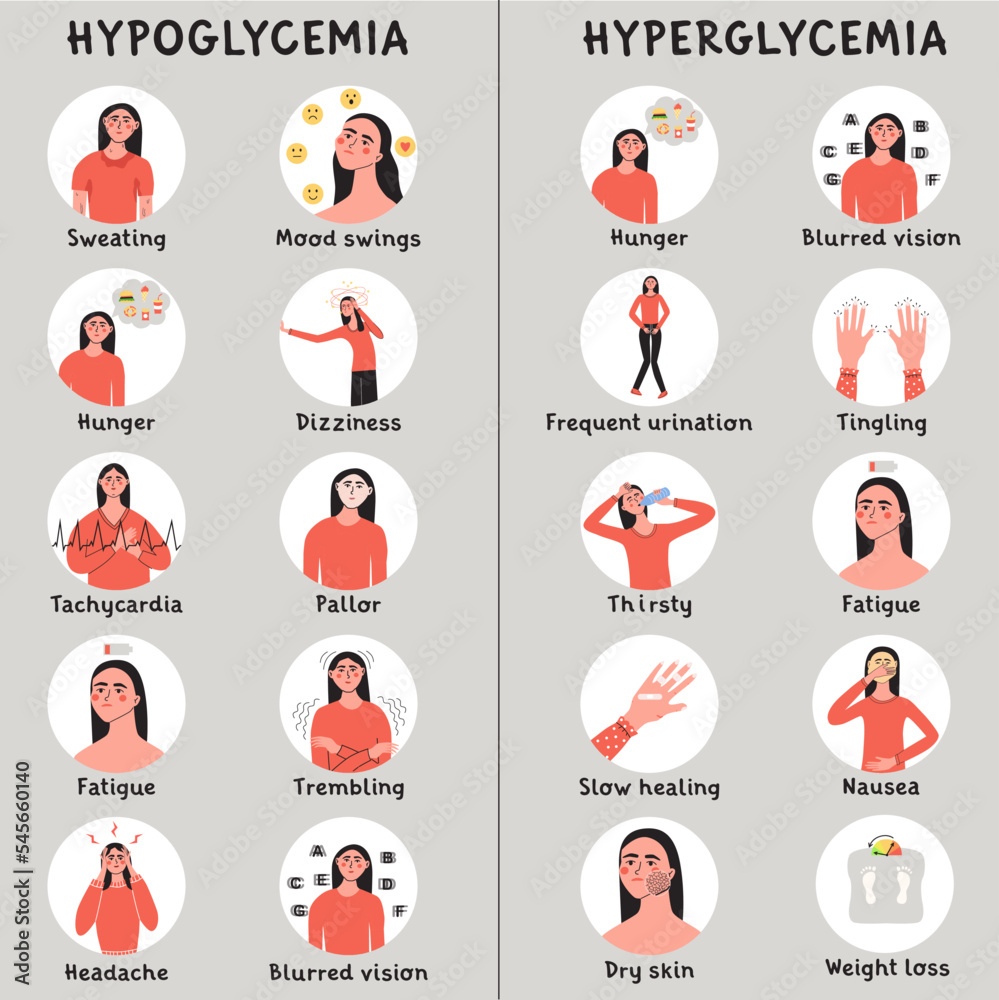
Hypoglycemia and hyperglycemia, low and high sugar glucose level in blood symptoms. Infografic
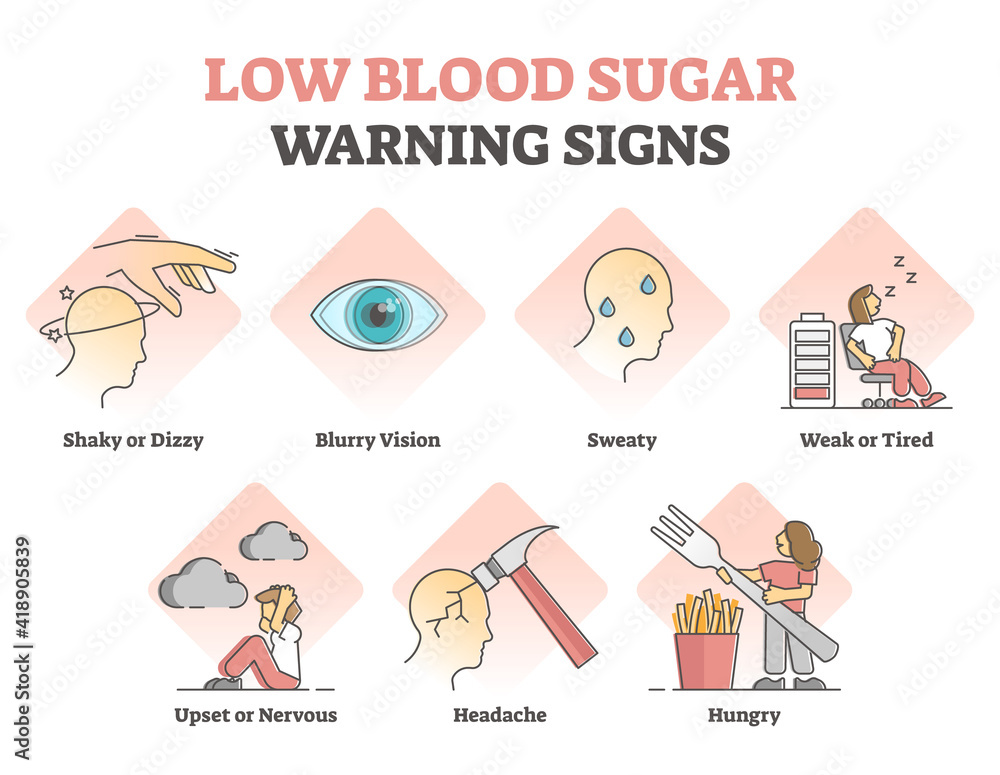
Low blood sugar warning signs for hypoglycemia with symptoms outline diagram Stock Vector
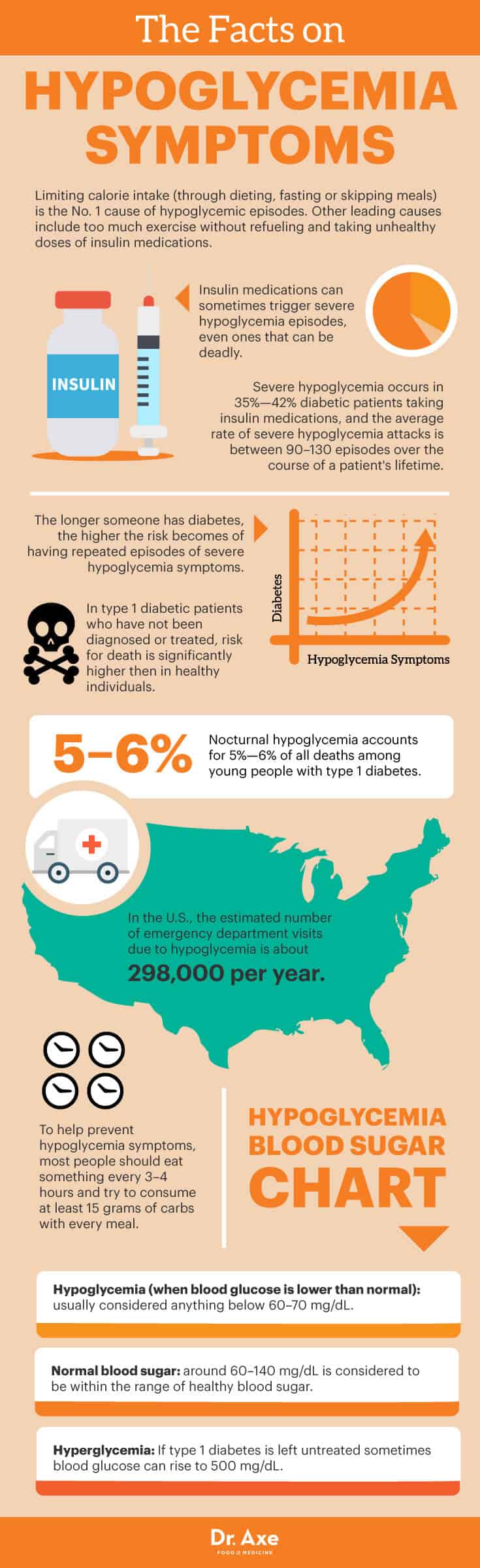
Hypoglycemia Symptoms, Causes & Natural Treatments Dr. Axe
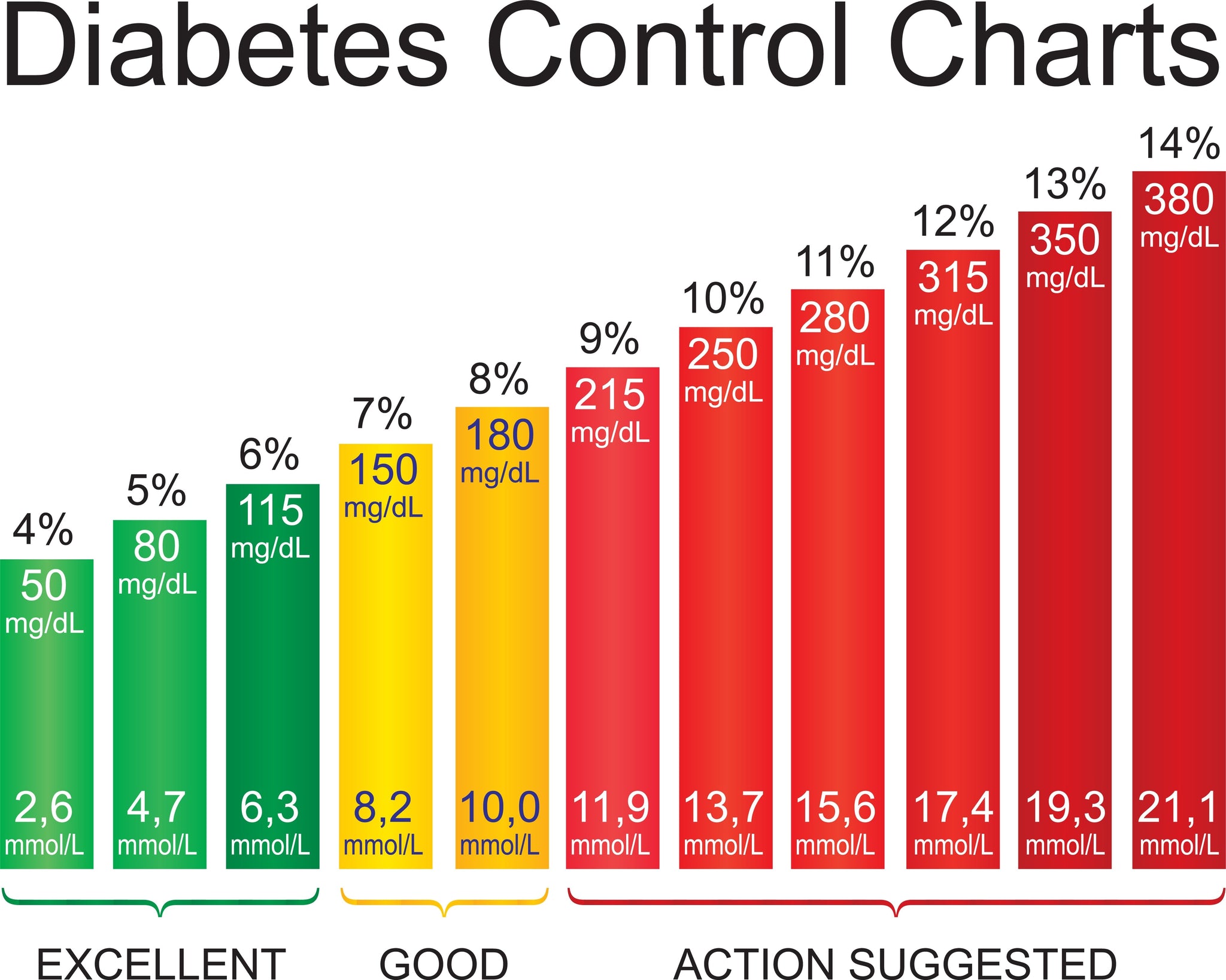
Blood Sugar Chart Understanding A1C Ranges Viasox
Kristine Tuttle Hyperglycemia vs. Hypoglycemia ⬆️ HYPER = high → With hyperglycemia, we see

Hypo/hyperglycemia s/s Diagram Quizlet

Roller coaster effect (Fluctuating Sugar levels) in Diabetes
Diabetes Awareness CNN
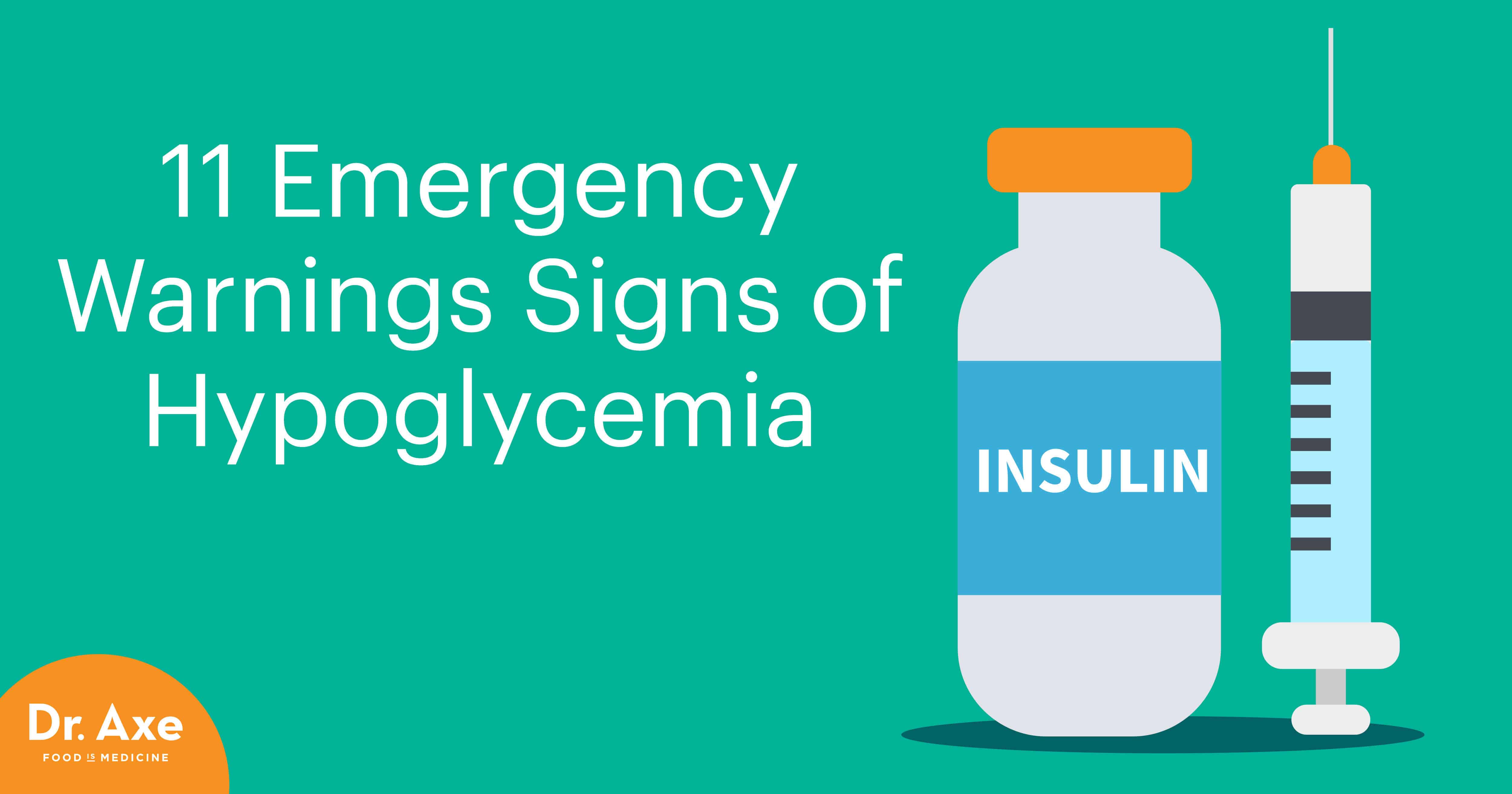
Hypoglycemia Symptoms, Causes & Natural Treatments Dr. Axe
In Some Cases, Severe Hyperglycemia Can Lead To Diabetic Ketoacidosis (Dka) Or Hyperosmolar.
Understanding Hypoglycemia Vs Hyperglycemia Helps You Manage Your Blood Sugar Better.
Related Post:
