
Emotion Check In Chart
Emotion Check In Chart - What is emotion and why is it important? A strong feeling such as love or anger, or strong feelings in general: The meaning of emotion is a conscious mental reaction (such as anger or fear) subjectively experienced as strong feeling usually directed toward a specific object and typically. The type of emotion a person experiences is determined by the circumstance that. Knowing how to name your emotions and talk about them. A complex reaction pattern, involving experiential, behavioral, and physiological elements, by which an individual attempts to deal with a personally significant matter or event. Emotions are reactions that human beings experience in response to events or situations. Emotion, a complex experience of consciousness, bodily sensation, and behaviour that reflects the personal significance of a thing, an event, or a state of affairs. Emotions are an essential part of who you are, but they can be messy, complicated, and downright confusing at times. Here we look at emotion theories, emotional concepts, lists of emotions, emotional intelligence, and emotion regulation. An affective state of consciousness in which joy, sorrow, fear, hate, or the like, is experienced, as distinguished from cognitive and volitional states of consciousness. The meaning of emotion is a conscious mental reaction (such as anger or fear) subjectively experienced as strong feeling usually directed toward a specific object and typically. Emotions are physical and mental states brought on by neurophysiological changes, variously associated with thoughts, feelings, behavioral responses, and a degree of pleasure or. Emotions are an essential part of who you are, but they can be messy, complicated, and downright confusing at times. Emotion is closely linked to motor activity—both are. A complex reaction pattern, involving experiential, behavioral, and physiological elements, by which an individual attempts to deal with a personally significant matter or event. What is emotion and why is it important? The type of emotion a person experiences is determined by the circumstance that. Knowing how to name your emotions and talk about them. Here we look at emotion theories, emotional concepts, lists of emotions, emotional intelligence, and emotion regulation. Emotion is closely linked to motor activity—both are. Emotions are reactions that human beings experience in response to events or situations. Emotions are an essential part of who you are, but they can be messy, complicated, and downright confusing at times. What is emotion and why is it important? Emotions are physical and mental states brought on by neurophysiological changes,. An affective state of consciousness in which joy, sorrow, fear, hate, or the like, is experienced, as distinguished from cognitive and volitional states of consciousness. Knowing how to name your emotions and talk about them. Emotions are an essential part of who you are, but they can be messy, complicated, and downright confusing at times. The type of emotion a. The type of emotion a person experiences is determined by the circumstance that. Emotion is closely linked to motor activity—both are. An affective state of consciousness in which joy, sorrow, fear, hate, or the like, is experienced, as distinguished from cognitive and volitional states of consciousness. Emotions are reactions that human beings experience in response to events or situations. Here. Emotions are an essential part of who you are, but they can be messy, complicated, and downright confusing at times. Emotions are reactions that human beings experience in response to events or situations. The meaning of emotion is a conscious mental reaction (such as anger or fear) subjectively experienced as strong feeling usually directed toward a specific object and typically.. A complex reaction pattern, involving experiential, behavioral, and physiological elements, by which an individual attempts to deal with a personally significant matter or event. Emotions are physical and mental states brought on by neurophysiological changes, variously associated with thoughts, feelings, behavioral responses, and a degree of pleasure or. An affective state of consciousness in which joy, sorrow, fear, hate, or. An affective state of consciousness in which joy, sorrow, fear, hate, or the like, is experienced, as distinguished from cognitive and volitional states of consciousness. Emotion, a complex experience of consciousness, bodily sensation, and behaviour that reflects the personal significance of a thing, an event, or a state of affairs. Knowing how to name your emotions and talk about them.. The type of emotion a person experiences is determined by the circumstance that. Knowing how to name your emotions and talk about them. Emotion, a complex experience of consciousness, bodily sensation, and behaviour that reflects the personal significance of a thing, an event, or a state of affairs. What is emotion and why is it important? Emotion is closely linked. Emotions are physical and mental states brought on by neurophysiological changes, variously associated with thoughts, feelings, behavioral responses, and a degree of pleasure or. An affective state of consciousness in which joy, sorrow, fear, hate, or the like, is experienced, as distinguished from cognitive and volitional states of consciousness. A strong feeling such as love or anger, or strong feelings. Knowing how to name your emotions and talk about them. An affective state of consciousness in which joy, sorrow, fear, hate, or the like, is experienced, as distinguished from cognitive and volitional states of consciousness. Emotions are an essential part of who you are, but they can be messy, complicated, and downright confusing at times. Emotions are physical and mental. Emotion, a complex experience of consciousness, bodily sensation, and behaviour that reflects the personal significance of a thing, an event, or a state of affairs. The type of emotion a person experiences is determined by the circumstance that. Emotion is closely linked to motor activity—both are. Emotions are physical and mental states brought on by neurophysiological changes, variously associated with. The meaning of emotion is a conscious mental reaction (such as anger or fear) subjectively experienced as strong feeling usually directed toward a specific object and typically. Emotions are reactions that human beings experience in response to events or situations. An affective state of consciousness in which joy, sorrow, fear, hate, or the like, is experienced, as distinguished from cognitive and volitional states of consciousness. Emotions are physical and mental states brought on by neurophysiological changes, variously associated with thoughts, feelings, behavioral responses, and a degree of pleasure or. Emotion, a complex experience of consciousness, bodily sensation, and behaviour that reflects the personal significance of a thing, an event, or a state of affairs. A complex reaction pattern, involving experiential, behavioral, and physiological elements, by which an individual attempts to deal with a personally significant matter or event. Here we look at emotion theories, emotional concepts, lists of emotions, emotional intelligence, and emotion regulation. Knowing how to name your emotions and talk about them. Emotions are an essential part of who you are, but they can be messy, complicated, and downright confusing at times. What is emotion and why is it important?
Feelings Check In Chart For Students

Feelings Check In Chart For Students

Feelings Check In Chart For Students
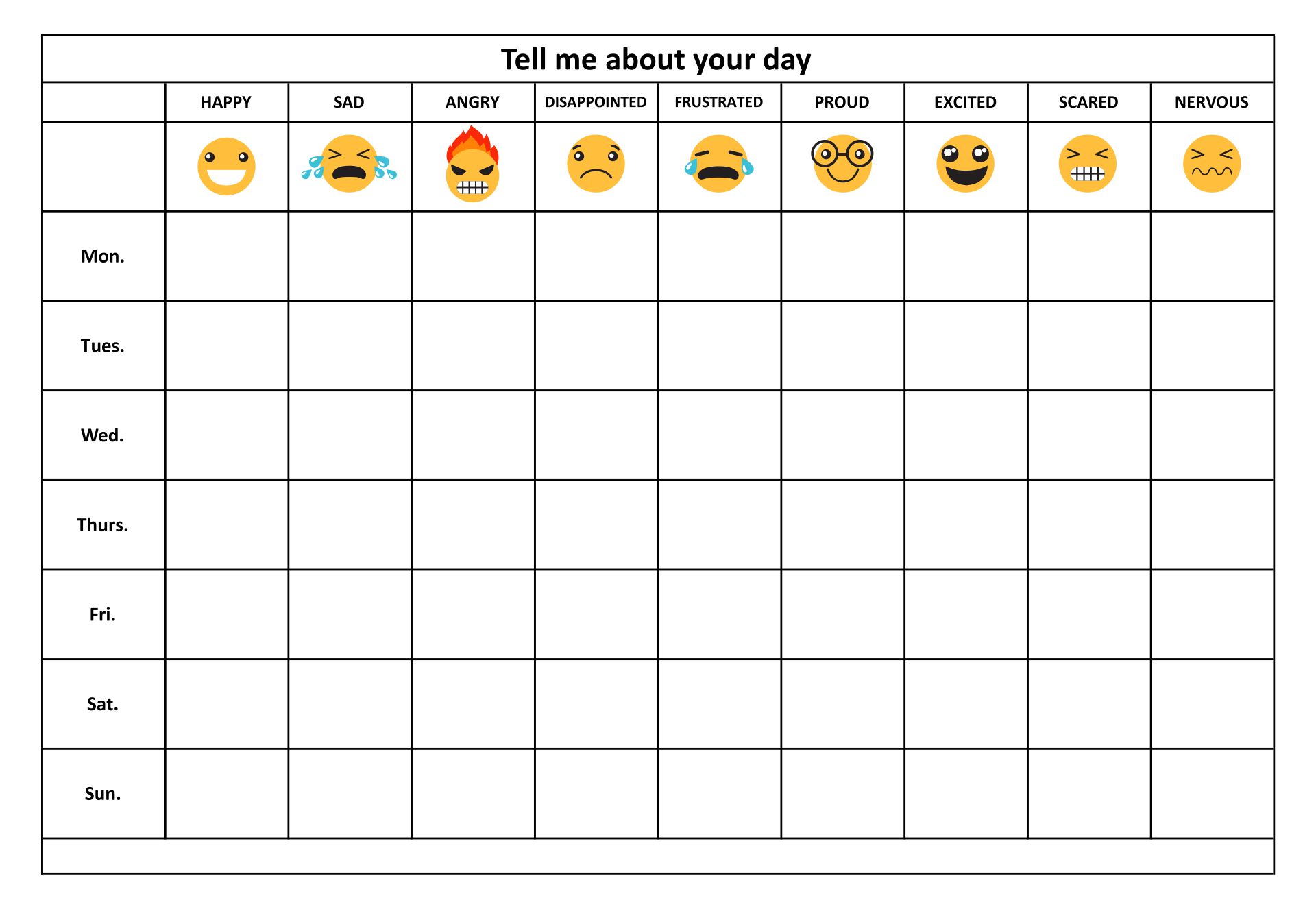
Feelings Chart 20 Free PDF Printables Printablee
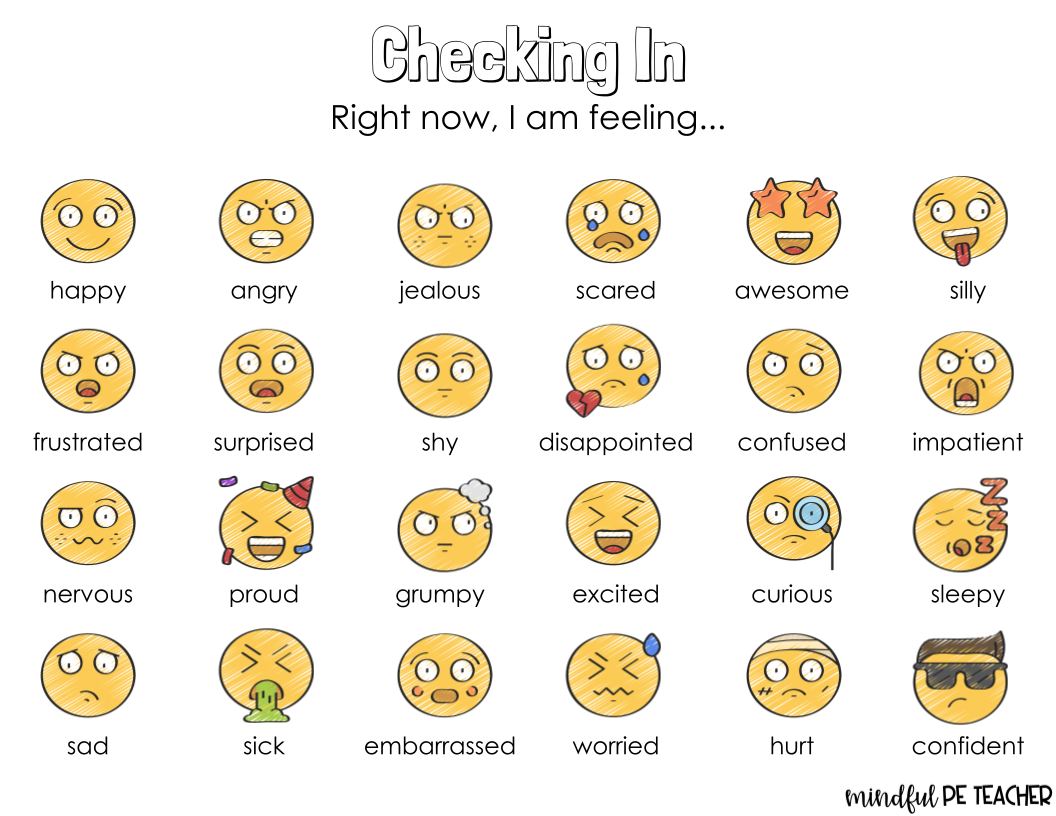
Checking In The Emoji Emotions Chart Mindful PE Teacher

Daily Feelings & Emotions Check In Chart Mindfulness Printable & PowerPoint Made By Teachers
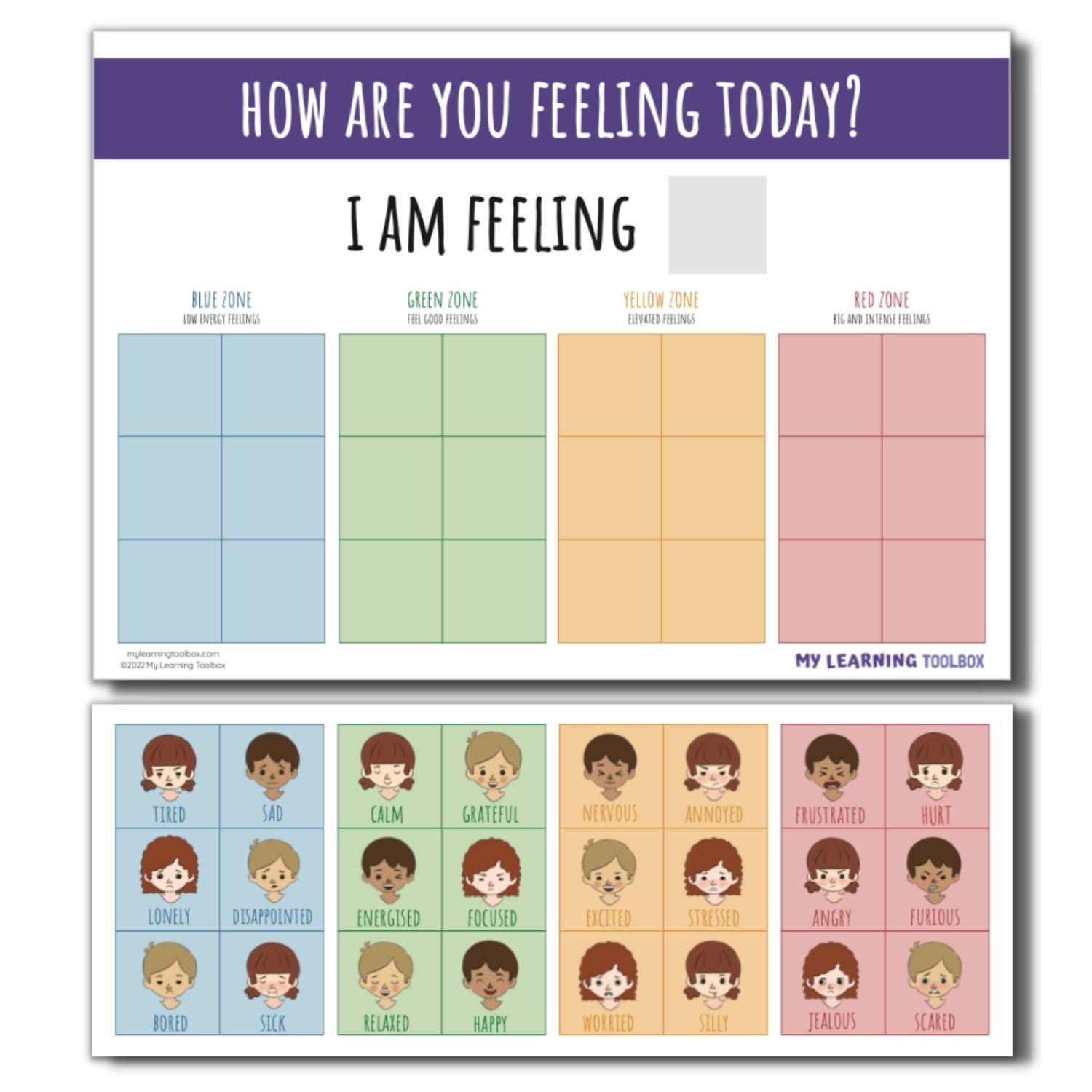
My Zones of Feelings Checkin Chart printable Emotions Checkin Zones of Regulation Social and

Mash > Wellbeing Week > Emotion Check in Chart
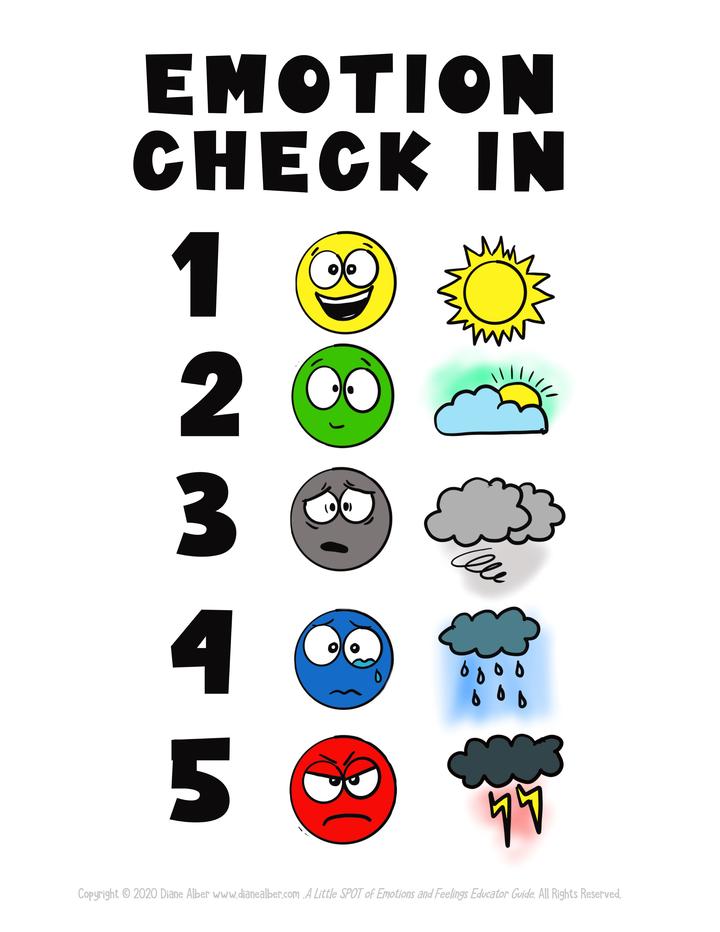
Emotion Identification Chart Classroom Management Toolbox

MOOD CHECKIN CHART
A Strong Feeling Such As Love Or Anger, Or Strong Feelings In General:
The Type Of Emotion A Person Experiences Is Determined By The Circumstance That.
Emotion Is Closely Linked To Motor Activity—Both Are.
Related Post: