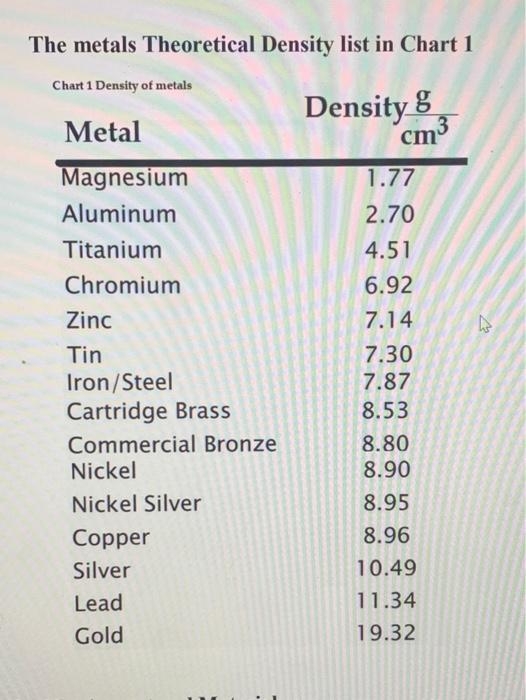
Density Of Metals Chart
Density Of Metals Chart - Mathematically speaking, density is the ratio of the mass to the volume. Density is how much mass fits in a certain volume, like grams per cubic centimeter. Physically speaking, density is the measure of how much matter is squeezed in a given space. The symbol most often used for density is ρ (the lower case greek letter rho),. The formula for density is d=m/v, where d is density, m is mass, and v is volume. To find density, divide the mass by the volume of an object using the formula density =. This physical property of matter. The density of material shows the denseness of that material in a specific given area. Get the definition of density in science and the equation to calculate it from mass and volume. Density is a physical property that is defined as a substance’s mass divided by its volume. Density is usually a measured property of a substance, so its numerical value affects the significant. For example, a block of the heavier element lead (pb) will be denser than the softer, lighter element gold (au). The formula for calculating density is ρ = m/v, where p is the density, m is the mass and v is the volume. Density is an intensive quantity of matter in physics and chemistry that expresses how much mass of that material is present in a given volume. A material’s density is defined as its mass per unit volume. The symbol most often used for density is ρ (the lower case greek letter rho),. Know the density of water. Density is commonly expressed in units of. Density is a physical property that is defined as a substance’s mass divided by its volume. To find density, divide the mass by the volume of an object using the formula density =. Density is a physical property that is defined as a substance’s mass divided by its volume. The formula for calculating density is ρ = m/v, where p is the density, m is the mass and v is the volume. Density is usually a measured property of a substance, so its numerical value affects the significant. Get the definition of density. Density (volumetric mass density or specific mass) is the ratio of a substance's mass to its volume. The formula for density is d=m/v, where d is density, m is mass, and v is volume. The symbol most often used for density is ρ (the lower case greek letter rho),. Density is how much mass fits in a certain volume, like. Get the definition of density in science and the equation to calculate it from mass and volume. The symbol most often used for density is ρ (the lower case greek letter rho),. Mathematically speaking, density is the ratio of the mass to the volume. Density is an intensive quantity of matter in physics and chemistry that expresses how much mass. Density (p) is equal to mass (m) divided by volume (v). Know the density of water. Density is a physical property that is defined as a substance’s mass divided by its volume. The density of material shows the denseness of that material in a specific given area. Density is an intensive quantity of matter in physics and chemistry that expresses. The formula for density is d=m/v, where d is density, m is mass, and v is volume. Know the density of water. Density is how much mass fits in a certain volume, like grams per cubic centimeter. To find density, divide the mass by the volume of an object using the formula density =. Density is usually a measured property. The density of material shows the denseness of that material in a specific given area. The formula for calculating density is ρ = m/v, where p is the density, m is the mass and v is the volume. Density is commonly expressed in units of. Know the density of water. Physically speaking, density is the measure of how much matter. The formula for density is d=m/v, where d is density, m is mass, and v is volume. Density is how much mass fits in a certain volume, like grams per cubic centimeter. Know the density of water. This physical property of matter. A material’s density is defined as its mass per unit volume. For example, a block of the heavier element lead (pb) will be denser than the softer, lighter element gold (au). A material’s density is defined as its mass per unit volume. Mathematically speaking, density is the ratio of the mass to the volume. Density is usually a measured property of a substance, so its numerical value affects the significant. Get. Know the density of water. To find density, divide the mass by the volume of an object using the formula density =. Density (p) is equal to mass (m) divided by volume (v). Density is commonly expressed in units of. Density is an intensive quantity of matter in physics and chemistry that expresses how much mass of that material is. The density of material shows the denseness of that material in a specific given area. The formula for calculating density is ρ = m/v, where p is the density, m is the mass and v is the volume. Mathematically speaking, density is the ratio of the mass to the volume. Density is a physical property that is defined as a. Mathematically speaking, density is the ratio of the mass to the volume. The formula for density is d=m/v, where d is density, m is mass, and v is volume. Density is a physical property that is defined as a substance’s mass divided by its volume. For example, a block of the heavier element lead (pb) will be denser than the softer, lighter element gold (au). Density is the measure of how much “stuff” is in a given amount of space. Density is how much mass fits in a certain volume, like grams per cubic centimeter. This physical property of matter. The density of material shows the denseness of that material in a specific given area. Physically speaking, density is the measure of how much matter is squeezed in a given space. The formula for calculating density is ρ = m/v, where p is the density, m is the mass and v is the volume. A material’s density is defined as its mass per unit volume. Density is commonly expressed in units of. Density, mass per unit volume of a substance. Density (volumetric mass density or specific mass) is the ratio of a substance's mass to its volume. Get the definition of density in science and the equation to calculate it from mass and volume. The symbol most often used for density is ρ (the lower case greek letter rho),.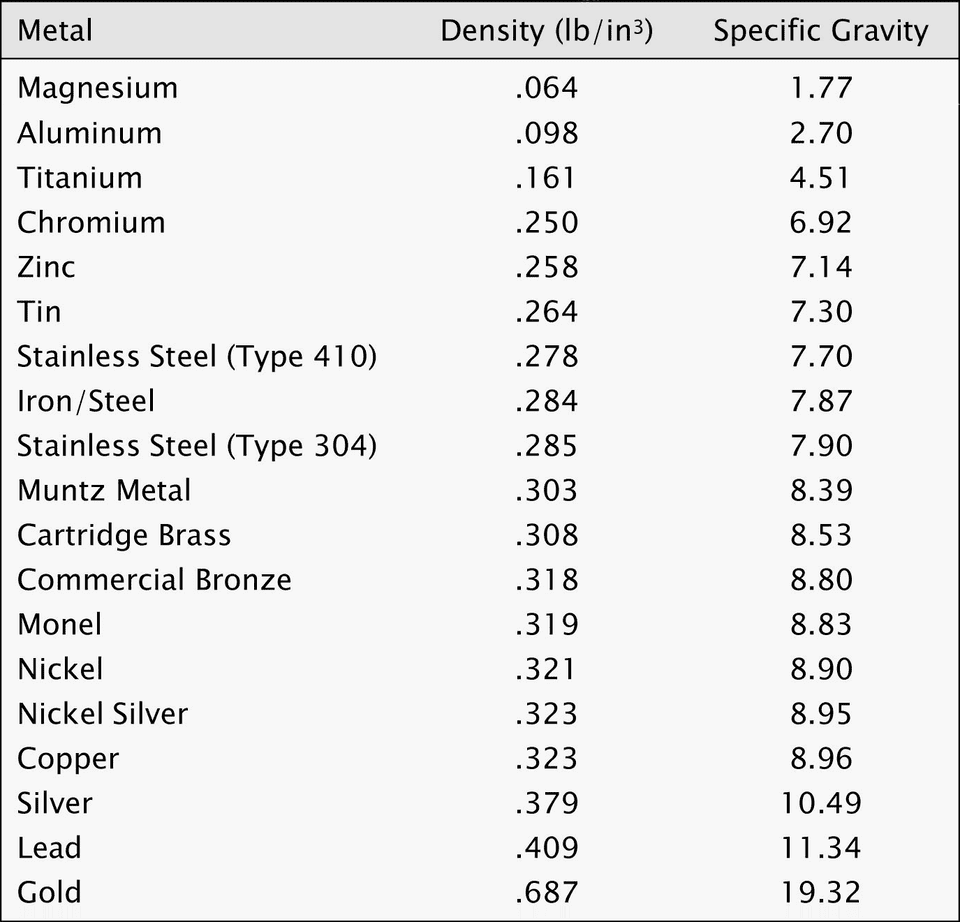
Reference Values for Metal Density & Specific Gravity Zahner

Metals By Density at Nichelle Hock blog

Density of Elements of the Periodic Table
Density Of Metals, All Common Metal Density Chart Table PDF, 41 OFF
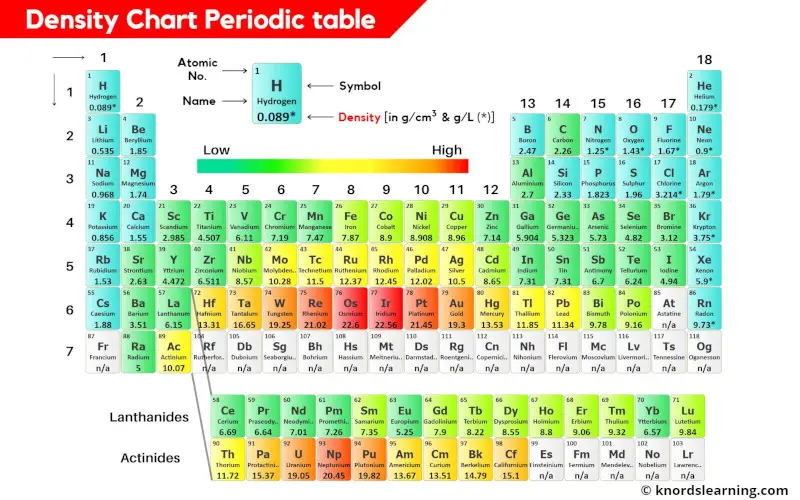
Density of All Elements (With Periodic table Chart)
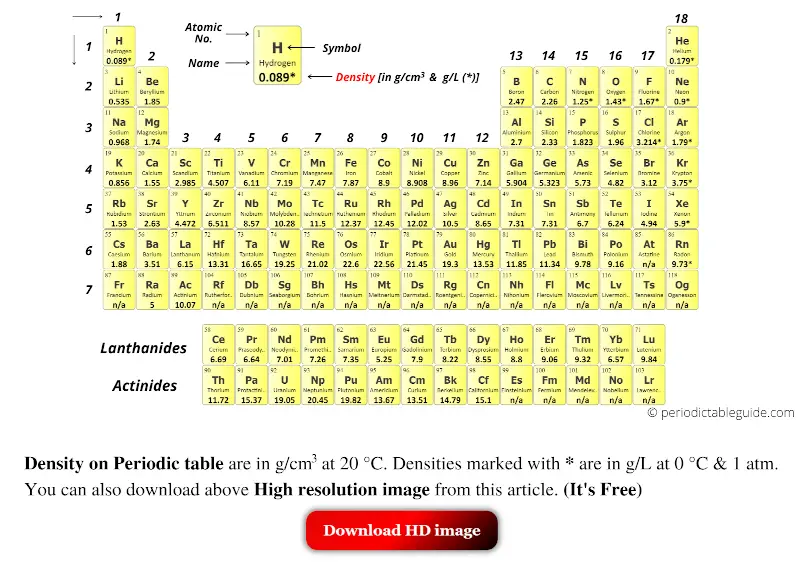
Periodic table with Density in g/cm3 (Labeled HD Image)
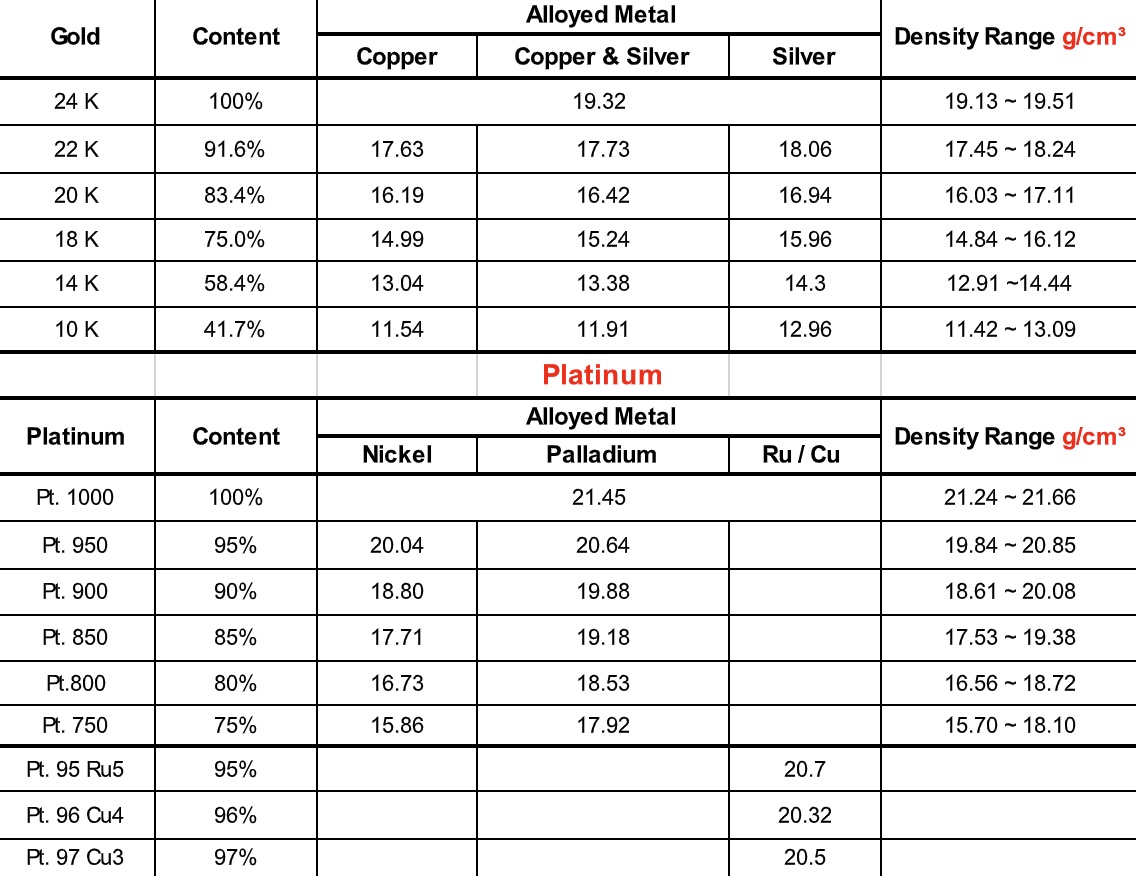
Steel Density Chart Pdf at Porter Loyd blog
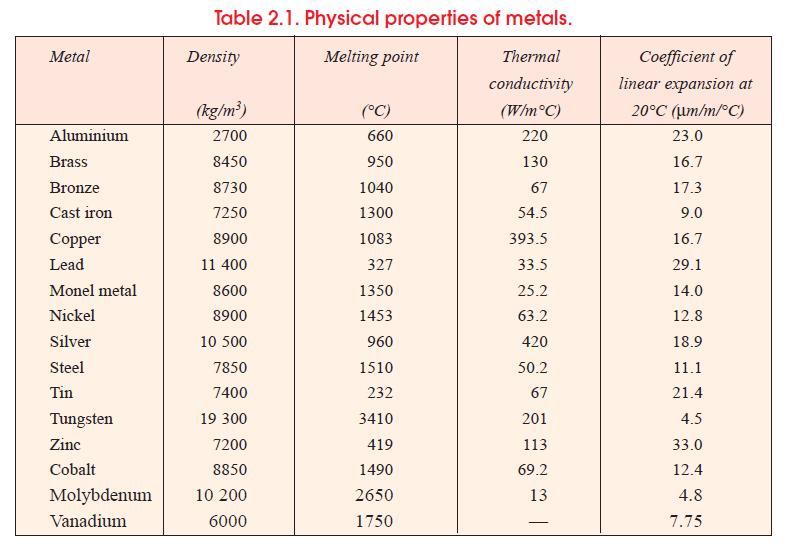
PRODUCT DESIGN Physical Properties of Metals
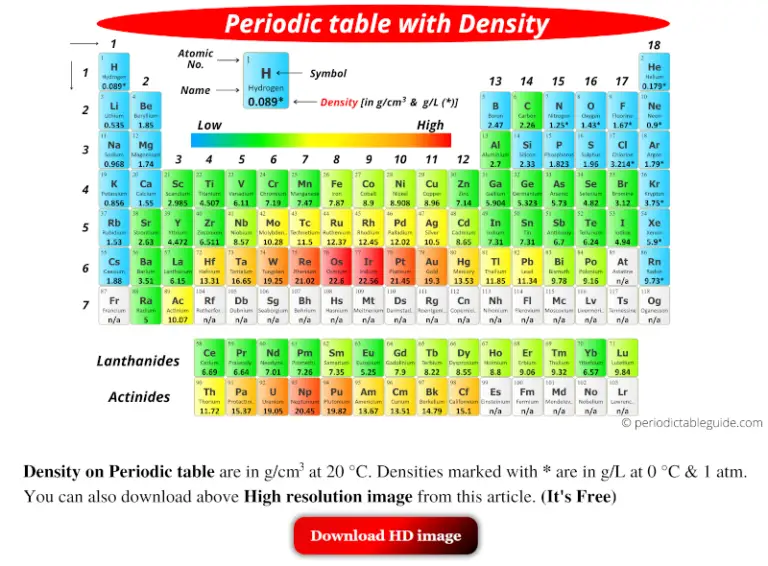
Periodic table with Density in g/cm3 (Labeled HD Image)
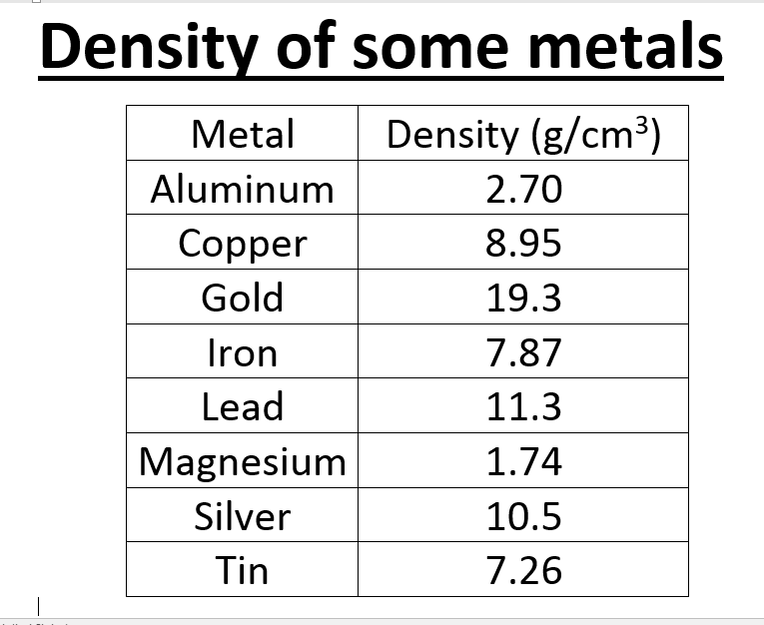
Steel Metal Density at Staci Jennings blog
Density (P) Is Equal To Mass (M) Divided By Volume (V).
Density Is An Intensive Quantity Of Matter In Physics And Chemistry That Expresses How Much Mass Of That Material Is Present In A Given Volume.
Density Is Usually A Measured Property Of A Substance, So Its Numerical Value Affects The Significant.
To Find Density, Divide The Mass By The Volume Of An Object Using The Formula Density =.
Related Post: