
Coughing Mucus Color Chart
Coughing Mucus Color Chart - Coughing is the fast expulsion of air from the lungs when the vocal chords are open, which gives a cough its characteristic sound. Coughing helps your body heal or protect itself. Severe cases of chronic cough can cause vomiting and lightheadedness, and even break a rib. There are two types of coughs: Learn about the differences between types of coughs, such as wet and dry coughs, croup coughs, and violent coughing fits. Find out here about why we cough, how. When should you call a doctor for a cough? Learn the causes of chronic cough. If you also have other symptoms like trouble breathing, fever,. You can have an acute cough, one that comes on suddenly, like during a. Severe cases of chronic cough can cause vomiting and lightheadedness, and even break a rib. There are two types of coughs: Learn about the differences between types of coughs, such as wet and dry coughs, croup coughs, and violent coughing fits. Coughing is the fast expulsion of air from the lungs when the vocal chords are open, which gives a cough its characteristic sound. There are many possible reasons why you can't stop coughing, including a viral infection, allergies, asthma, chronic bronchitis, and gastroesophageal reflux disease. It can interrupt your sleep and leave you feeling very tired. A deep, wet cough that produces lots of mucus and phlegm, chest. Learn the causes of chronic cough. If you are experiencing a fever, nausea, and vomiting, are experiencing shortness of breath or chest pain, or are coughing up significant amounts of blood, you should seek. Coughing helps your body heal or protect itself. It can interrupt your sleep and leave you feeling very tired. Coughing helps you get rid of things in your throat and airways that are irritating or making it harder to breathe. When should you call a doctor for a cough? If you are experiencing a fever, nausea, and vomiting, are experiencing shortness of breath or chest pain, or are. Find out here about why we cough, how. If you also have other symptoms like trouble breathing, fever,. When should you call a doctor for a cough? There are many possible reasons why you can't stop coughing, including a viral infection, allergies, asthma, chronic bronchitis, and gastroesophageal reflux disease. Learn about the differences between types of coughs, such as wet. Coughing helps your body heal or protect itself. When should you call a doctor for a cough? Coughing is your body’s way to clear an irritant from your throat, airway and lungs and can be categorized into four main types: Coughing helps you get rid of things in your throat and airways that are irritating or making it harder to. It can interrupt your sleep and leave you feeling very tired. There are many possible reasons why you can't stop coughing, including a viral infection, allergies, asthma, chronic bronchitis, and gastroesophageal reflux disease. A deep, wet cough that produces lots of mucus and phlegm, chest. Learn about the differences between types of coughs, such as wet and dry coughs, croup. Find out here about why we cough, how. There are many possible reasons why you can't stop coughing, including a viral infection, allergies, asthma, chronic bronchitis, and gastroesophageal reflux disease. Experts say coughing is the top reason people see a doctor — more than 30 million visits a year. It can interrupt your sleep and leave you feeling very tired.. Learn the causes of chronic cough. Learn about the differences between types of coughs, such as wet and dry coughs, croup coughs, and violent coughing fits. Call your doctor if you develop any of the following troubling symptoms: If you are experiencing a fever, nausea, and vomiting, are experiencing shortness of breath or chest pain, or are coughing up significant. Call your doctor if you develop any of the following troubling symptoms: Coughing is the fast expulsion of air from the lungs when the vocal chords are open, which gives a cough its characteristic sound. Learn the causes of chronic cough. Coughing helps you get rid of things in your throat and airways that are irritating or making it harder. Coughing is the fast expulsion of air from the lungs when the vocal chords are open, which gives a cough its characteristic sound. If you also have other symptoms like trouble breathing, fever,. Find out here about why we cough, how. Severe cases of chronic cough can cause vomiting and lightheadedness, and even break a rib. There are two types. Coughing helps you get rid of things in your throat and airways that are irritating or making it harder to breathe. Call your doctor if you develop any of the following troubling symptoms: There are many possible reasons why you can't stop coughing, including a viral infection, allergies, asthma, chronic bronchitis, and gastroesophageal reflux disease. You can have an acute. There are two types of coughs: Coughing helps you get rid of things in your throat and airways that are irritating or making it harder to breathe. Learn the causes of chronic cough. Call your doctor if you develop any of the following troubling symptoms: Learn about the differences between types of coughs, such as wet and dry coughs, croup. Coughing is your body’s way to clear an irritant from your throat, airway and lungs and can be categorized into four main types: Coughing helps you get rid of things in your throat and airways that are irritating or making it harder to breathe. Coughing is the fast expulsion of air from the lungs when the vocal chords are open, which gives a cough its characteristic sound. When should you call a doctor for a cough? Learn the causes of chronic cough. Experts say coughing is the top reason people see a doctor — more than 30 million visits a year. There are many possible reasons why you can't stop coughing, including a viral infection, allergies, asthma, chronic bronchitis, and gastroesophageal reflux disease. Severe cases of chronic cough can cause vomiting and lightheadedness, and even break a rib. You can have an acute cough, one that comes on suddenly, like during a. Call your doctor if you develop any of the following troubling symptoms: A deep, wet cough that produces lots of mucus and phlegm, chest. It can interrupt your sleep and leave you feeling very tired. Find out here about why we cough, how. Learn about the differences between types of coughs, such as wet and dry coughs, croup coughs, and violent coughing fits.
phlegm color meaning the ultimate guide cough coloured 48 off home remedies to get rid of

phlegm color chart Google Search Mucus color, Mucus color chart, Mucus

Why Do I Get Phlegm in My Throat After Laughing? (2024)

Mucus vs. Phlegm vs. Sputum What's the Difference? (2025)
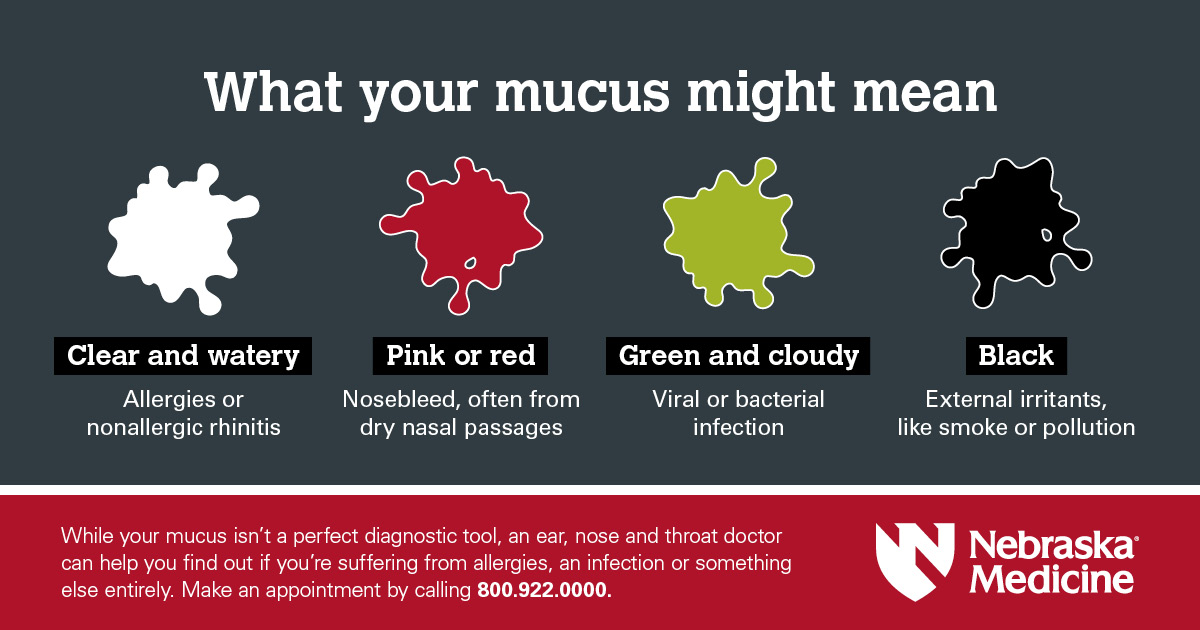
dilated mucus plug color chart Tampão mucoso o que é e como identificar (fotos)

Nasal Mucus Color Chart
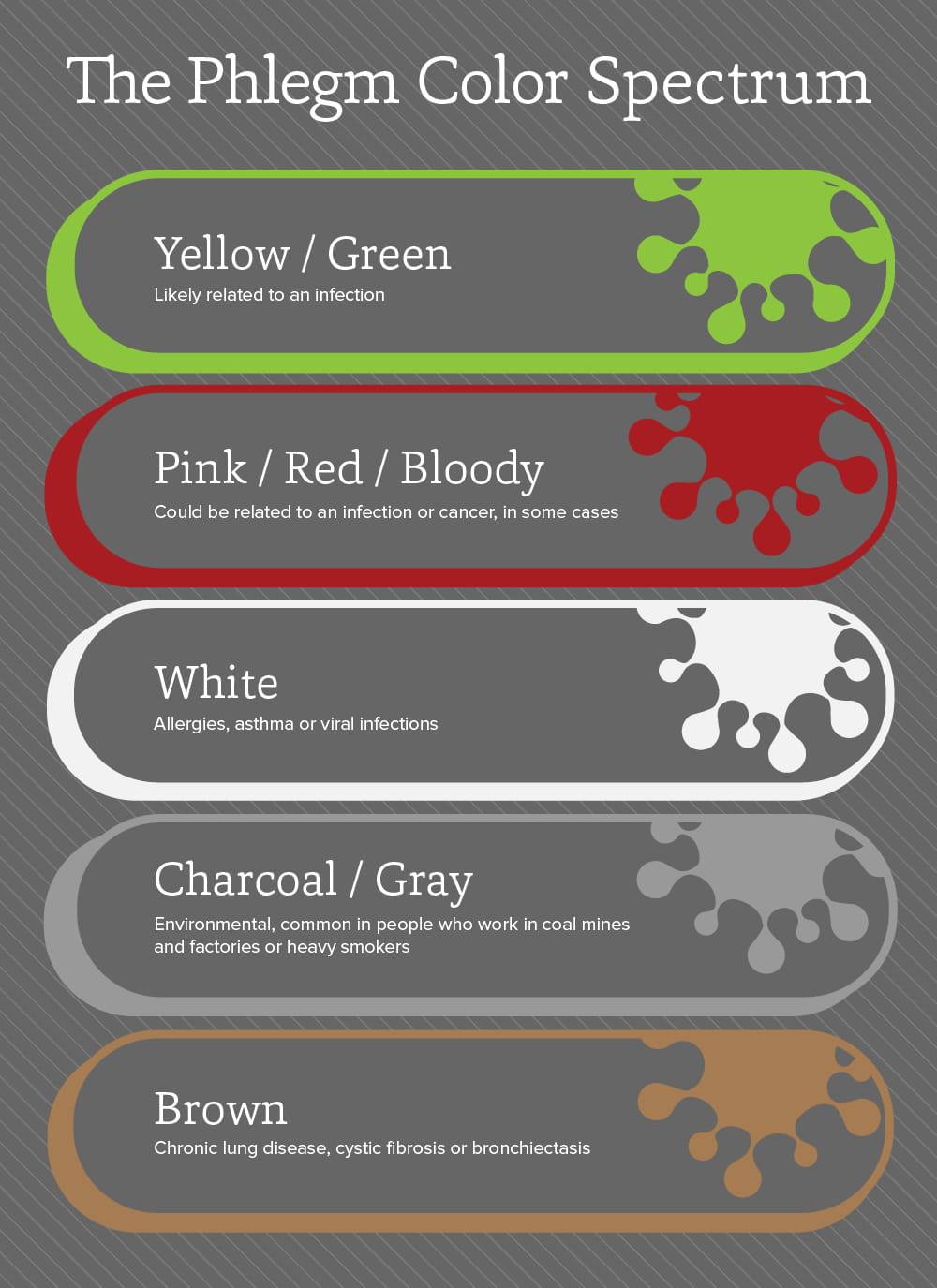
nasal mucus color chart mucus color meaning chart mucus color chart covid
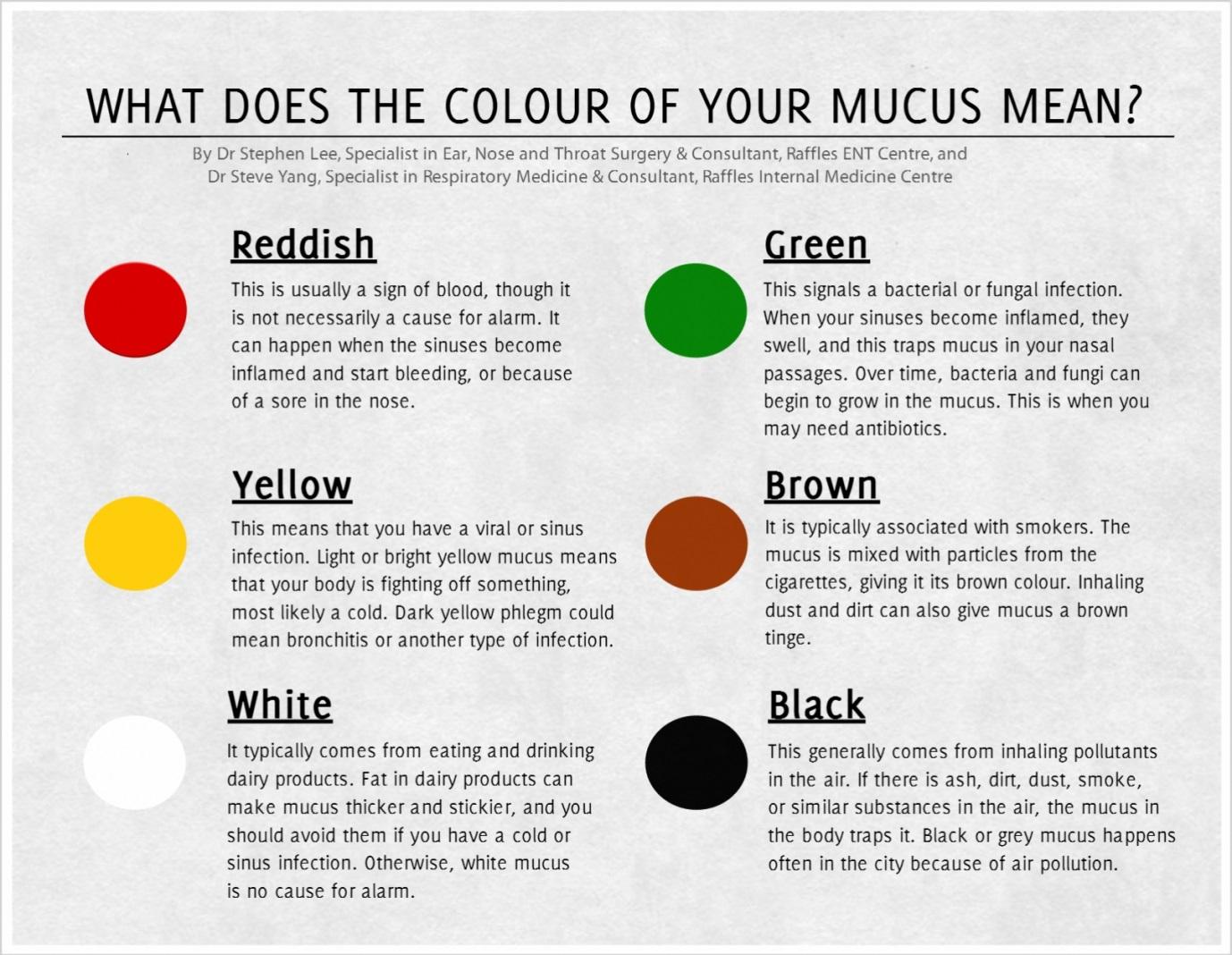
Nasal Mucus Color Chart Phlegm Color Meaning The Ultimate Guide, Cough Coloured, 48 Off
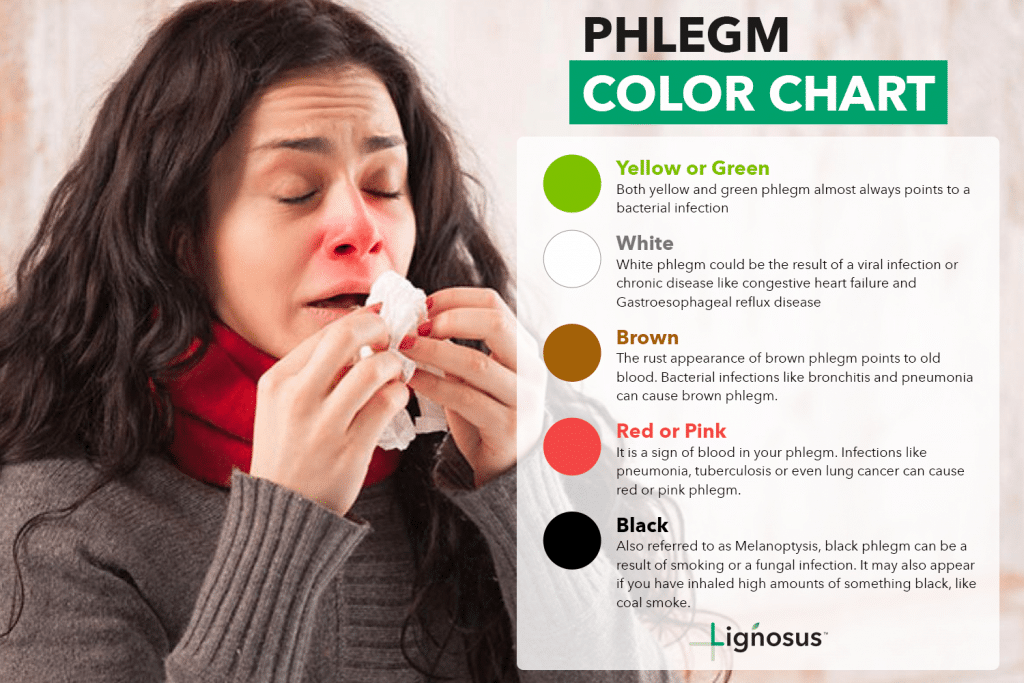
what does the color of phlegm mean phlegm color chart google search health chart getting rid
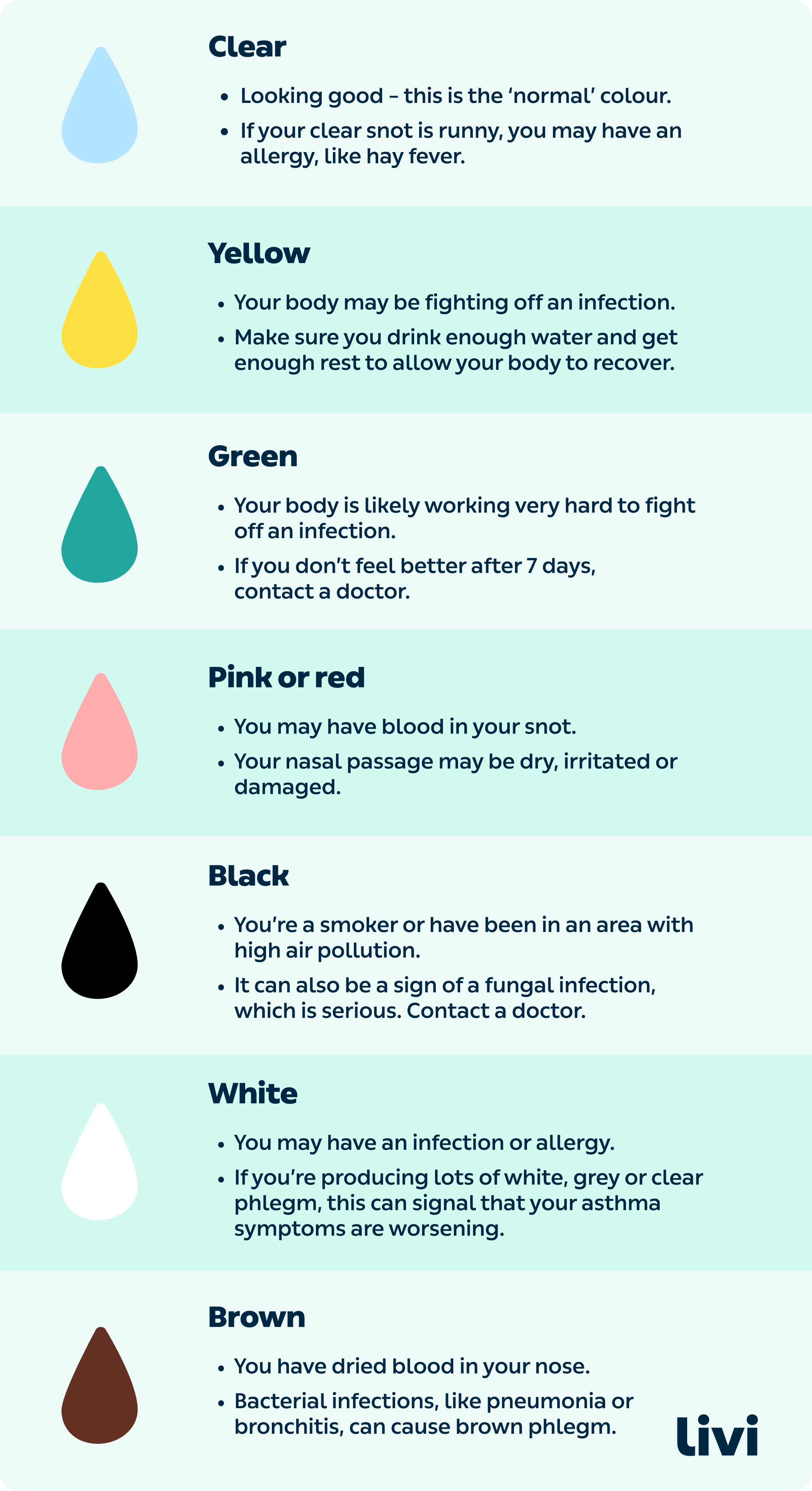
phlegm color meaning the ultimate guide cough coloured 48 off is it allergies covid 19 or
If You Are Experiencing A Fever, Nausea, And Vomiting, Are Experiencing Shortness Of Breath Or Chest Pain, Or Are Coughing Up Significant Amounts Of Blood, You Should Seek.
Coughing Helps Your Body Heal Or Protect Itself.
If You Also Have Other Symptoms Like Trouble Breathing, Fever,.
There Are Two Types Of Coughs:
Related Post: