
Carbonation Beer Chart
Carbonation Beer Chart - Natural carbonation occurs when co2 is produced naturally, such as. Carbonation is the process of dissolving carbon dioxide gas in water, creating a fizzy or sparkling effect. When carbon dioxide is added to a sealed bottle or can containing water, the. Carbonation is the process of adding carbon dioxide gas to a beverage to give it sparkle and a tangy flavour while also avoiding spoilage. Carbonation is a phenomenon in which carbon dioxide gas is suspended in water, creating small bubbles. There are several methods of carbonation, including natural carbonation, forced carbonation, and injection carbonation. The liquid is chilled and then poured into a. In other words, it is a term used to describe the dissolution of co 2 gas in water utilizing pressure and temperature. In this guide, learn exactly what carbonation is, how carbonation levels impact the experience of a drink, and the optimal carbonation volume for a diverse sample of popular beverage categories. Examples of carbonated beverages include soft drinks, sparkling. Carbonation, addition of carbon dioxide gas to a beverage, imparting sparkle and a tangy taste and preventing spoilage. There are several methods of carbonation, including natural carbonation, forced carbonation, and injection carbonation. Carbonation is a phenomenon in which carbon dioxide gas is suspended in water, creating small bubbles. Carbonation is the chemical reaction of carbon dioxide to give carbonates, bicarbonates, and carbonic acid. In this guide, learn exactly what carbonation is, how carbonation levels impact the experience of a drink, and the optimal carbonation volume for a diverse sample of popular beverage categories. Natural carbonation occurs when co2 is produced naturally, such as. Examples of carbonated beverages include soft drinks, sparkling. [1] in chemistry, the term is sometimes used in place of carboxylation, which. In other words, it is a term used to describe the dissolution of co 2 gas in water utilizing pressure and temperature. When carbon dioxide is added to a sealed bottle or can containing water, the. In other words, it is a term used to describe the dissolution of co 2 gas in water utilizing pressure and temperature. [1] in chemistry, the term is sometimes used in place of carboxylation, which. There are several methods of carbonation, including natural carbonation, forced carbonation, and injection carbonation. The liquid is chilled and then poured into a. Carbonation is. In other words, it is a term used to describe the dissolution of co 2 gas in water utilizing pressure and temperature. The carbon dioxide is generally kept in the water through pressure (either in a bottle or in a natural spring), and will. Carbonation is a solution of carbon dioxide gas in water. Carbonation is the process of dissolving. Carbonation is the process of adding carbon dioxide gas to a beverage to give it sparkle and a tangy flavour while also avoiding spoilage. Carbonation is a solution of carbon dioxide gas in water. Carbonation is the saturation of a liquid with co2 gas. There are several methods of carbonation, including natural carbonation, forced carbonation, and injection carbonation. Carbonation is. Carbonation is the chemical reaction of carbon dioxide to give carbonates, bicarbonates, and carbonic acid. Carbonation is a solution of carbon dioxide gas in water. [1] in chemistry, the term is sometimes used in place of carboxylation, which. Natural carbonation occurs when co2 is produced naturally, such as. Carbonation, addition of carbon dioxide gas to a beverage, imparting sparkle and. Carbonation, addition of carbon dioxide gas to a beverage, imparting sparkle and a tangy taste and preventing spoilage. Carbonation is a solution of carbon dioxide gas in water. In other words, it is a term used to describe the dissolution of co 2 gas in water utilizing pressure and temperature. Examples of carbonated beverages include soft drinks, sparkling. It can. Examples of carbonated beverages include soft drinks, sparkling. Carbonation is the process of dissolving carbon dioxide gas in water, creating a fizzy or sparkling effect. Carbonation, addition of carbon dioxide gas to a beverage, imparting sparkle and a tangy taste and preventing spoilage. When carbon dioxide is added to a sealed bottle or can containing water, the. Carbonation is a. When carbon dioxide is added to a sealed bottle or can containing water, the. In other words, it is a term used to describe the dissolution of co 2 gas in water utilizing pressure and temperature. The carbon dioxide is generally kept in the water through pressure (either in a bottle or in a natural spring), and will. Carbonation is. Natural carbonation occurs when co2 is produced naturally, such as. This process can occur naturally, such as in mineral water, or artificially, through the. There are several methods of carbonation, including natural carbonation, forced carbonation, and injection carbonation. In other words, it is a term used to describe the dissolution of co 2 gas in water utilizing pressure and temperature.. [1] in chemistry, the term is sometimes used in place of carboxylation, which. There are several methods of carbonation, including natural carbonation, forced carbonation, and injection carbonation. The liquid is chilled and then poured into a. In this guide, learn exactly what carbonation is, how carbonation levels impact the experience of a drink, and the optimal carbonation volume for a. Carbonation is a phenomenon in which carbon dioxide gas is suspended in water, creating small bubbles. The carbon dioxide is generally kept in the water through pressure (either in a bottle or in a natural spring), and will. Carbonation is the chemical reaction of carbon dioxide to give carbonates, bicarbonates, and carbonic acid. Carbonation is a solution of carbon dioxide. In other words, it is a term used to describe the dissolution of co 2 gas in water utilizing pressure and temperature. Examples of carbonated beverages include soft drinks, sparkling. Carbonation, addition of carbon dioxide gas to a beverage, imparting sparkle and a tangy taste and preventing spoilage. Carbonation is the saturation of a liquid with co2 gas. [1] in chemistry, the term is sometimes used in place of carboxylation, which. Carbonation is the process of adding carbon dioxide gas to a beverage to give it sparkle and a tangy flavour while also avoiding spoilage. Carbonation is a solution of carbon dioxide gas in water. Natural carbonation occurs when co2 is produced naturally, such as. The carbon dioxide is generally kept in the water through pressure (either in a bottle or in a natural spring), and will. It can occur both naturally and artificially, as a result of the introduction. Carbonation is a phenomenon in which carbon dioxide gas is suspended in water, creating small bubbles. In this guide, learn exactly what carbonation is, how carbonation levels impact the experience of a drink, and the optimal carbonation volume for a diverse sample of popular beverage categories. The liquid is chilled and then poured into a. Carbonation is the process of dissolving carbon dioxide gas in water, creating a fizzy or sparkling effect.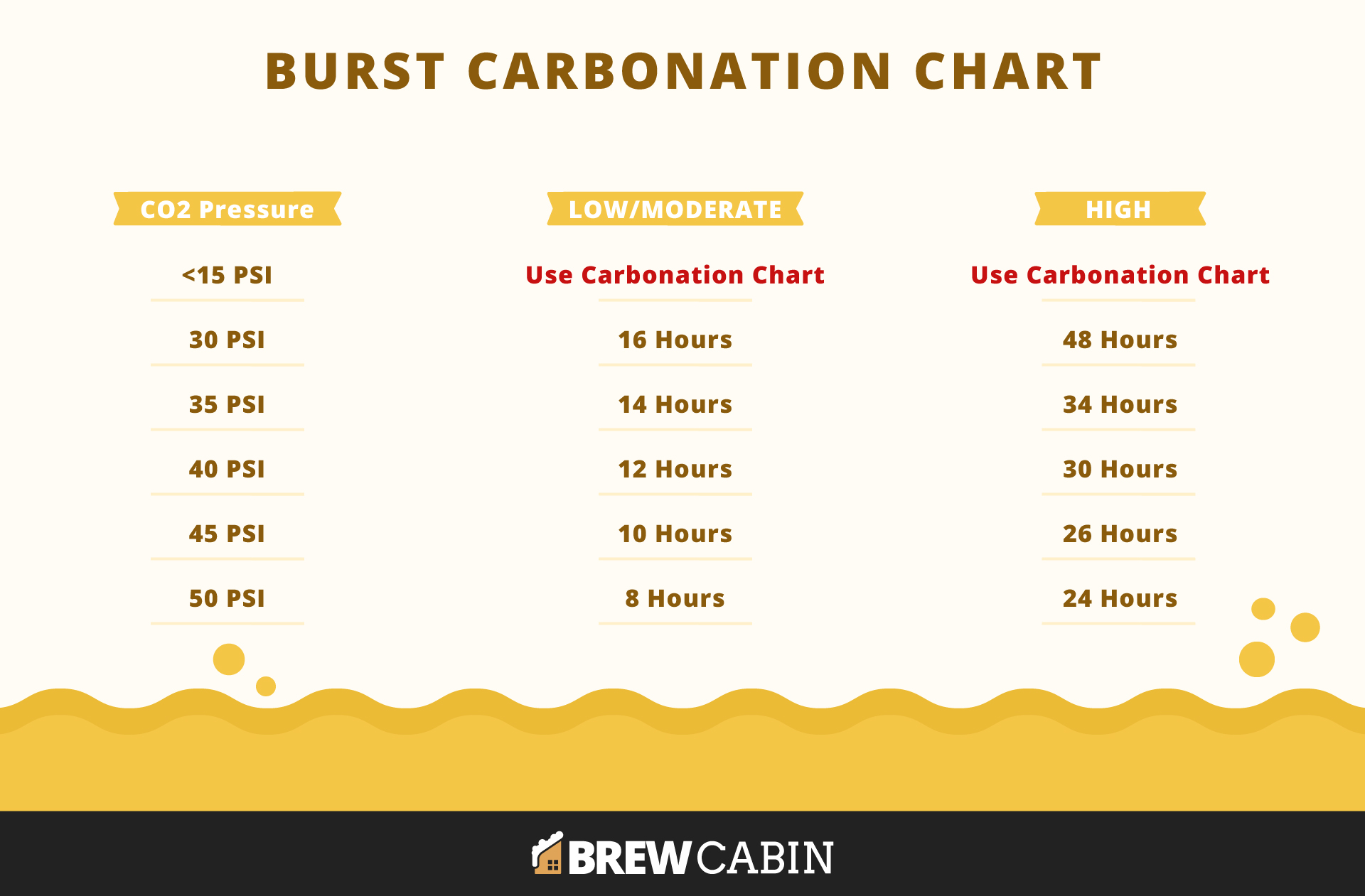
The Definitive Guide to Force Carbonating Your Beer
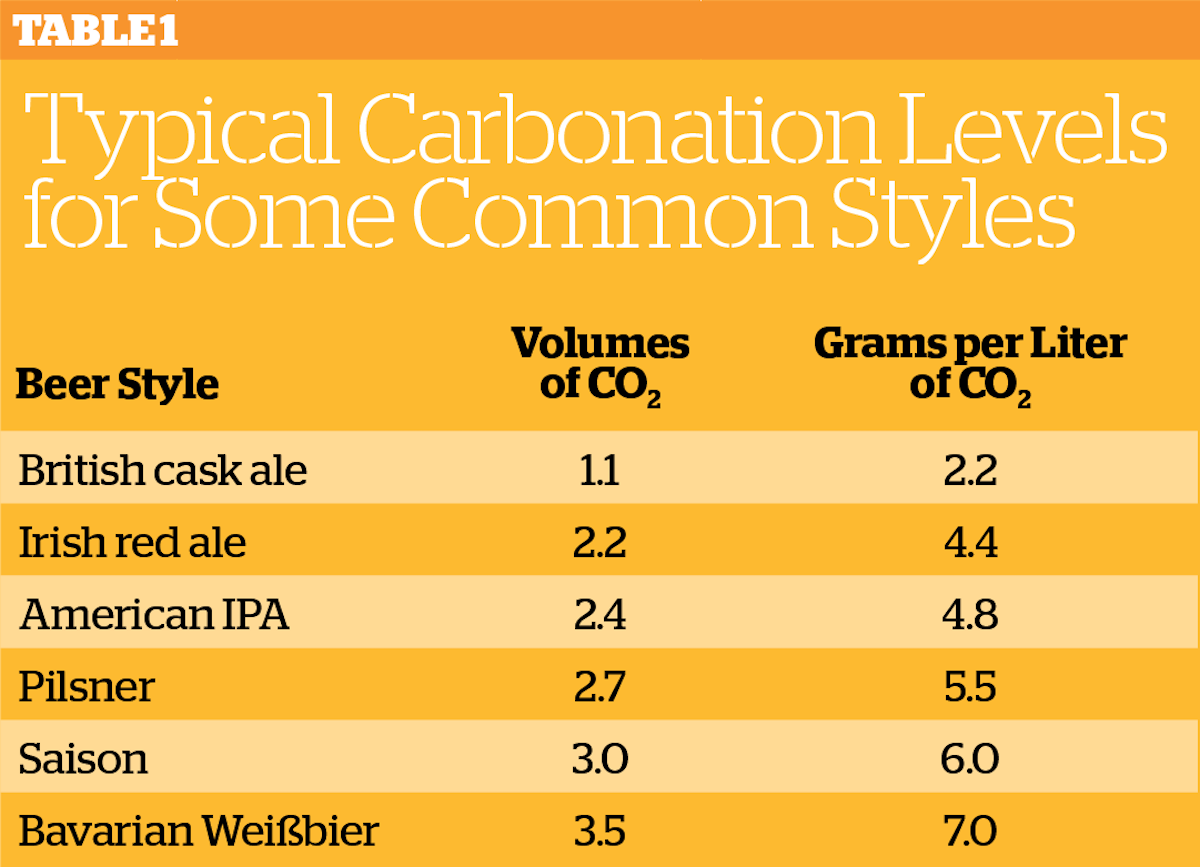
Carbonation Beer
CO2 Pressure to Carb Coffee Porter Make Beer at Home Forums Brewer's Friend
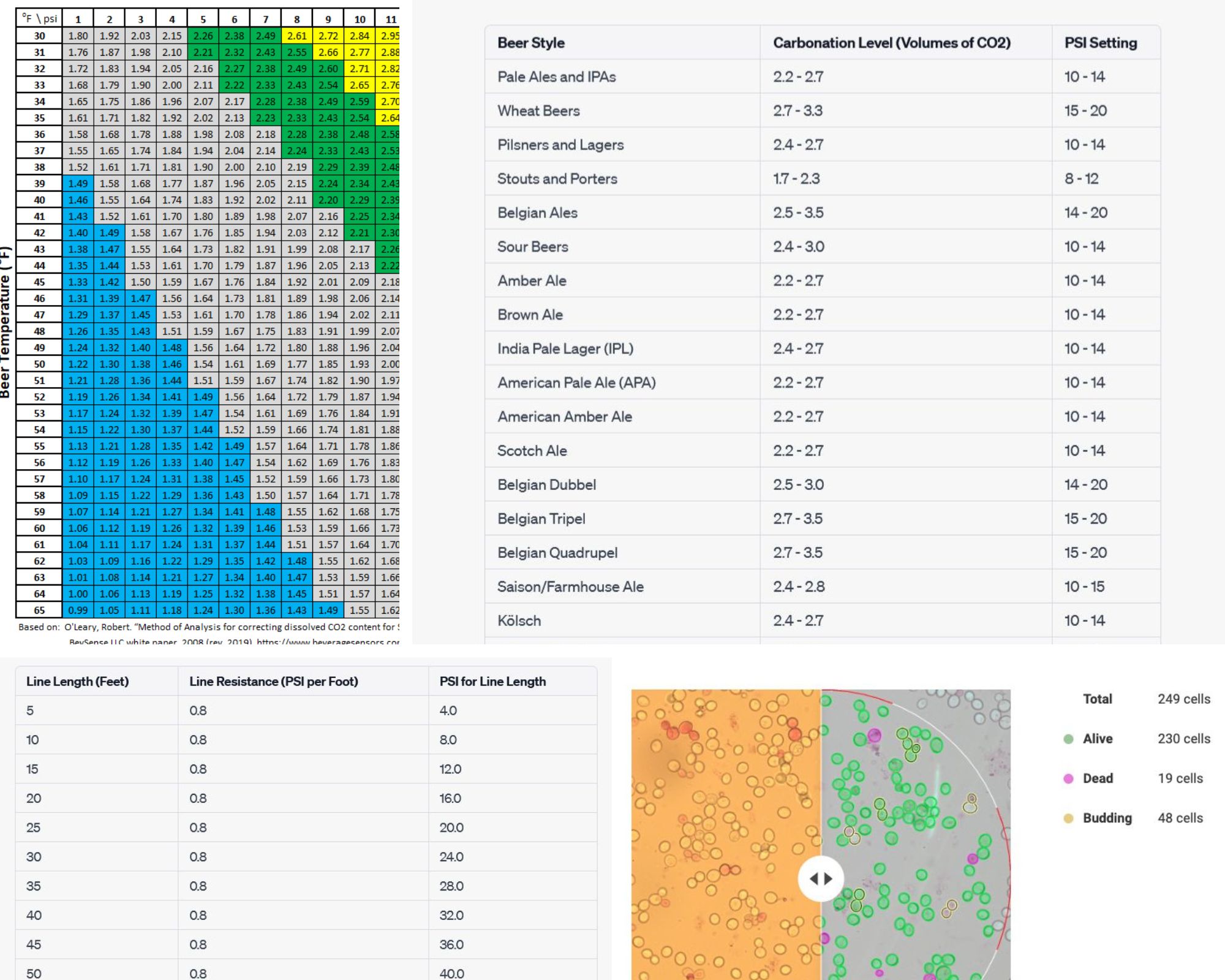
Carbonation Chart For Beer A Complete Guide for Brewers

Carbonating Beer Chart Printable Free Printable Templates

Carbonation Chart Spike Brewing
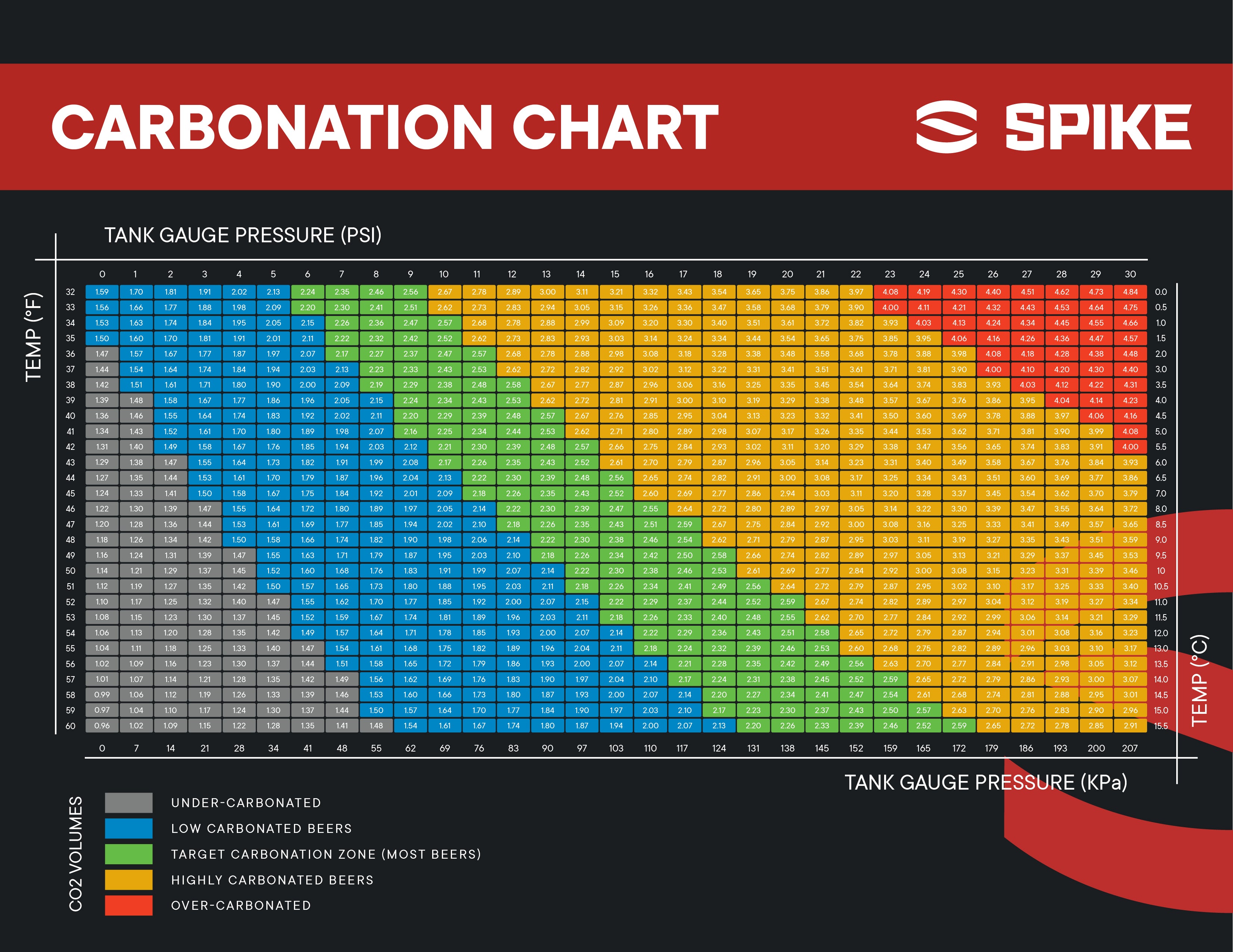
Carbonation Chart Poster Spike Brewing

Beer Forced Carbonation Charts
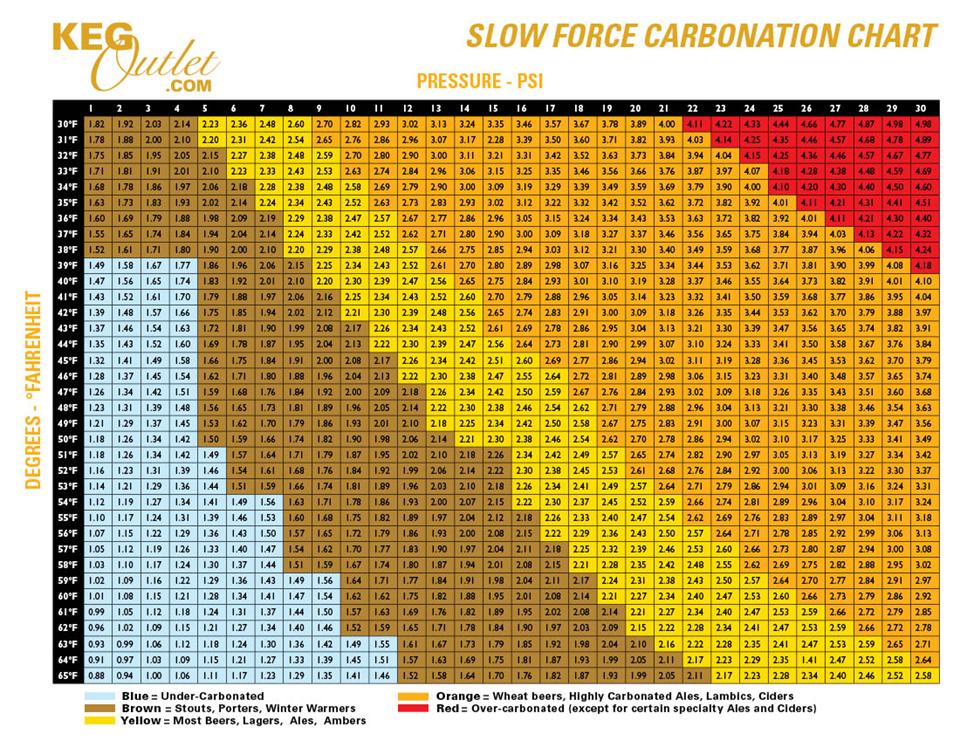
Beer Carbonating Chart Keg Outlet

Carbonation Beer
Carbonation Is The Chemical Reaction Of Carbon Dioxide To Give Carbonates, Bicarbonates, And Carbonic Acid.
There Are Several Methods Of Carbonation, Including Natural Carbonation, Forced Carbonation, And Injection Carbonation.
This Process Can Occur Naturally, Such As In Mineral Water, Or Artificially, Through The.
When Carbon Dioxide Is Added To A Sealed Bottle Or Can Containing Water, The.
Related Post: