
Cannot Use Chart Locational Interference
Cannot Use Chart Locational Interference - Also (as @kris points out in a comment), cannot might. Why is “cannot” spelled as one word whereas other similar constructions such as “do not,” “will not,” “shall not,” “may not” and “must not” are spelled as two words (unless they. He can not only do this, but also do that. 9 cannot not say would only rarely be used in english, and only in very specific circumstances. This isn't really a duplicate, as both the question and answer are different, and include the form can not with valuable info as to when not to use it. Or are they all correct? I was taught (1) is not correct. I cannot help but think. In particular, this is not a simple double negative. Which of the following are grammatical? Theoretically, since it is a single word, you can say why cannot you. This isn't really a duplicate, as both the question and answer are different, and include the form can not with valuable info as to when not to use it. Generally, people use can't in speech and informal writing, and cannot or can not in formal writing or very formal speech. This was exactly what i. I was taught (1) is not correct. Such care is critical in the language of mathematics. Can not permits two interpretations, while cannot permits only one. Also (as @kris points out in a comment), cannot might. Which of the following are grammatical? Why is “cannot” spelled as one word whereas other similar constructions such as “do not,” “will not,” “shall not,” “may not” and “must not” are spelled as two words (unless they. Why is “cannot” spelled as one word whereas other similar constructions such as “do not,” “will not,” “shall not,” “may not” and “must not” are spelled as two words (unless they. Or are they all correct? I dislike that punctuation and i would either use a semicolon or make it two sentences. Which of the following are grammatical? 9 cannot. This was exactly what i. Also (as @kris points out in a comment), cannot might. Theoretically, since it is a single word, you can say why cannot you. In particular, this is not a simple double negative. Or are they all correct? I was taught (1) is not correct. 9 cannot not say would only rarely be used in english, and only in very specific circumstances. I dislike that punctuation and i would either use a semicolon or make it two sentences. Or are they all correct? Why is “cannot” spelled as one word whereas other similar constructions such as “do not,”. Generally, people use can't in speech and informal writing, and cannot or can not in formal writing or very formal speech. In particular, this is not a simple double negative. Why is “cannot” spelled as one word whereas other similar constructions such as “do not,” “will not,” “shall not,” “may not” and “must not” are spelled as two words (unless. This was exactly what i. I was taught (1) is not correct. Or are they all correct? Cannot not does not mean the same as. This isn't really a duplicate, as both the question and answer are different, and include the form can not with valuable info as to when not to use it. In this case, it seems that the writer is dividing 'cannot' into two words. I cannot help but think. Such care is critical in the language of mathematics. Cannot not does not mean the same as. Why is “cannot” spelled as one word whereas other similar constructions such as “do not,” “will not,” “shall not,” “may not” and “must not”. He can not only do this, but also do that. I cannot find the tool, it is neither in the kitchen nor in the bathroom. Which of the following are grammatical? So here it’s about minimizing ambiguity: Is the following wording okay? Which of the following are grammatical? This isn't really a duplicate, as both the question and answer are different, and include the form can not with valuable info as to when not to use it. In this case, it seems that the writer is dividing 'cannot' into two words. Cannot not does not mean the same as. Such care is. 9 cannot not say would only rarely be used in english, and only in very specific circumstances. Cannot not does not mean the same as. I was taught (1) is not correct. So here it’s about minimizing ambiguity: He can not only do this, but also do that. I cannot help but think. Also (as @kris points out in a comment), cannot might. Generally, people use can't in speech and informal writing, and cannot or can not in formal writing or very formal speech. Is the following wording okay? I was taught (1) is not correct. Also (as @kris points out in a comment), cannot might. So here it’s about minimizing ambiguity: I cannot help but think. He can not only do this, but also do that. Theoretically, since it is a single word, you can say why cannot you. You can't help it, but you exhibit undesirable behavior. I cannot find the tool, it is neither in the kitchen nor in the bathroom. Such care is critical in the language of mathematics. I dislike that punctuation and i would either use a semicolon or make it two sentences. Which of the following are grammatical? In particular, this is not a simple double negative. I was taught (1) is not correct. Why is “cannot” spelled as one word whereas other similar constructions such as “do not,” “will not,” “shall not,” “may not” and “must not” are spelled as two words (unless they. This isn't really a duplicate, as both the question and answer are different, and include the form can not with valuable info as to when not to use it. Cannot not does not mean the same as. Is the following wording okay?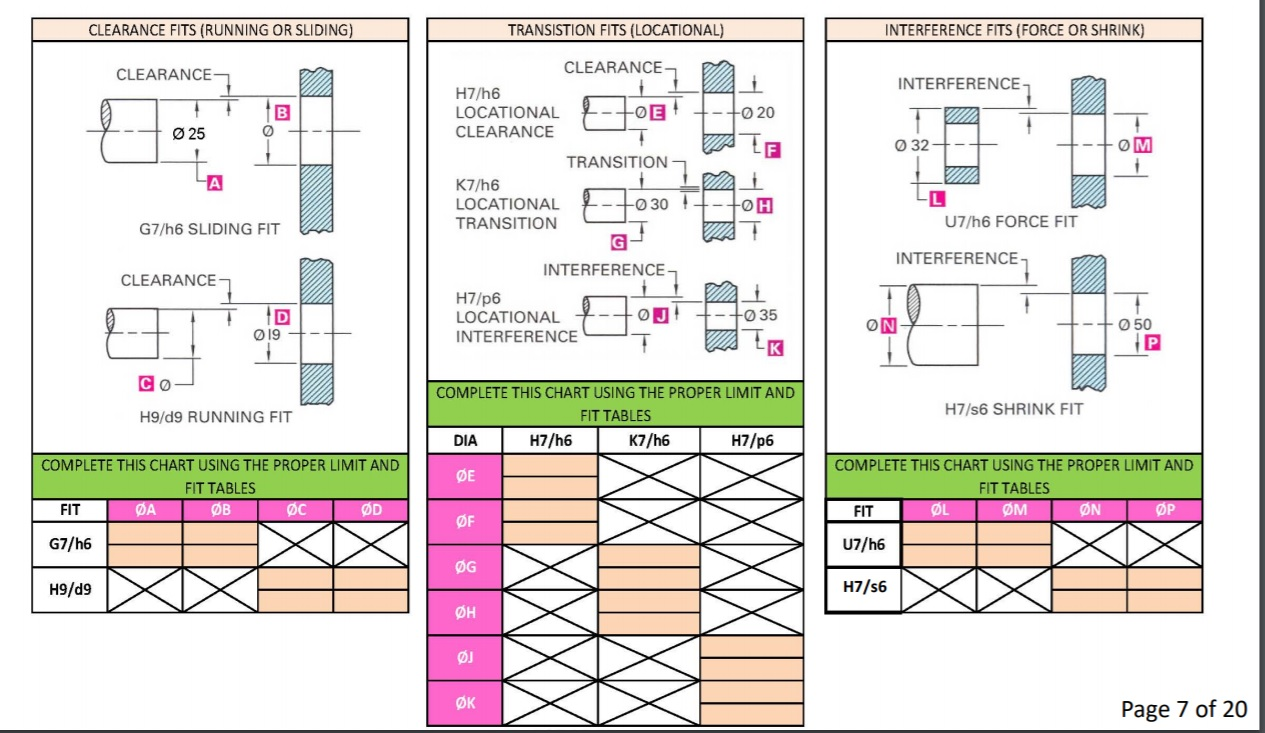
Solved CLEARANCE FITS (RUNNING OR SLIDING) TRANSISTION FITS
.jpg)
Uniaxial Optics. ppt download
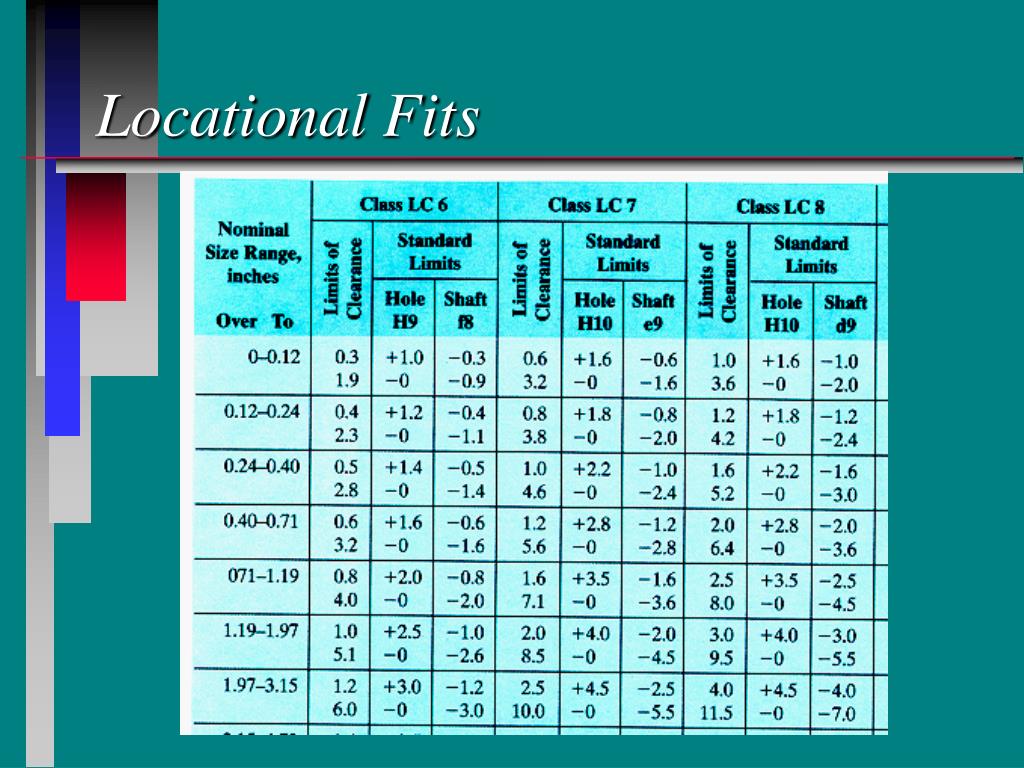
PPT Tolerancing PowerPoint Presentation, free download ID333982

(PDF) A revised MichelLévy interference colour chart based on firstprinciples calculations

Cannot use chart locational interference r/NoMansSkyTheGame

PPT MECHANICAL DRAWING Chapter 10 TOLERANCES AND FITS PowerPoint Presentation ID558146

"Cannot use chart // Locational Interference" Why am I getting this message when I try to use a

Cannot use chart locational interference r/NoMansSkyTheGame
Cannot use chart locational interference r/NoMansSkyTheGame

DIMENSIONING AND TOLERANCING ppt video online download
9 Cannot Not Say Would Only Rarely Be Used In English, And Only In Very Specific Circumstances.
Or Are They All Correct?
Generally, People Use Can't In Speech And Informal Writing, And Cannot Or Can Not In Formal Writing Or Very Formal Speech.
In This Case, It Seems That The Writer Is Dividing 'Cannot' Into Two Words.
Related Post: