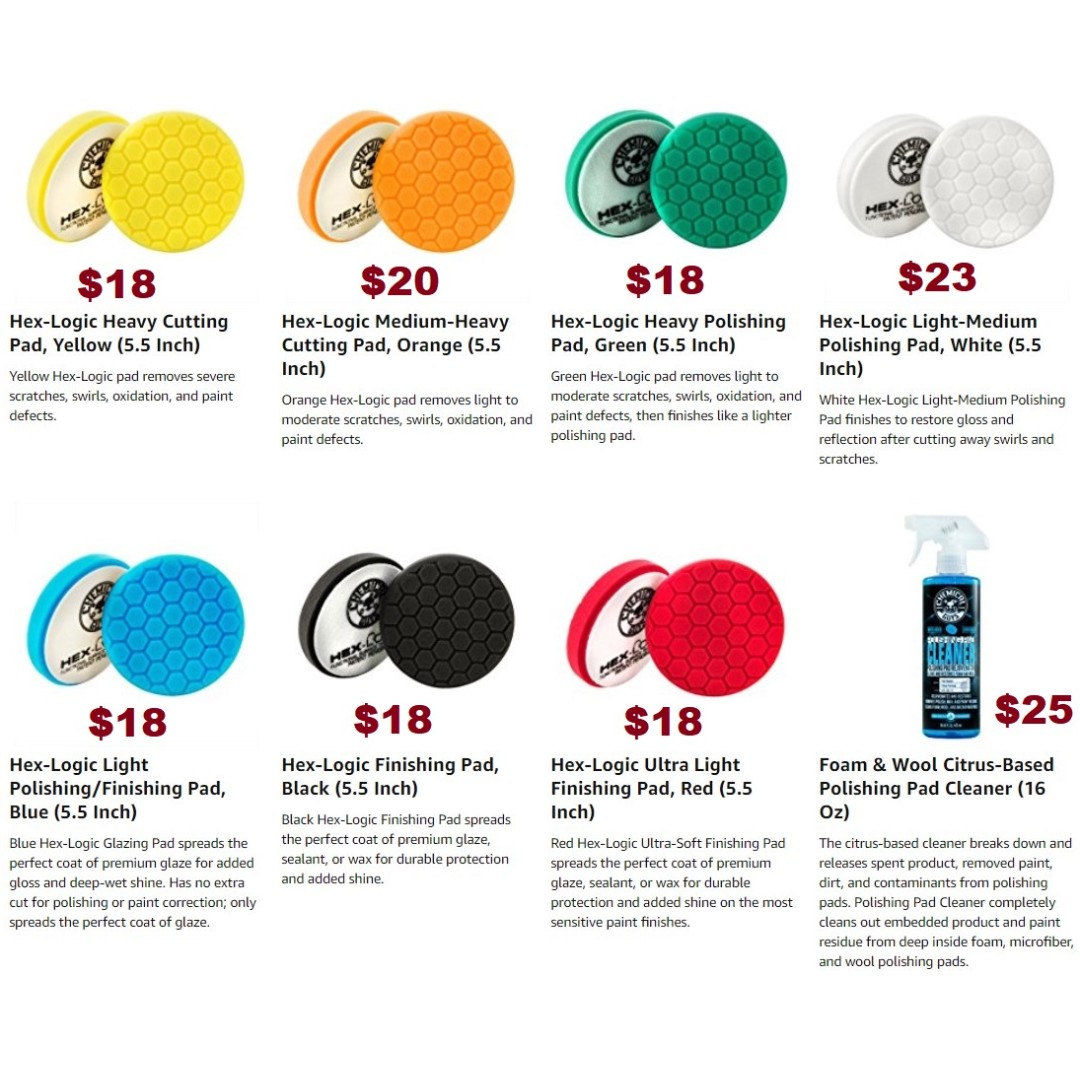
Buffing Pads Color Chart
Buffing Pads Color Chart - Mechanical finishing expert, pat wenino, explains the differences between the two processes. Is polishing the same as buffing? It does so by evening out nicks and scratches on painted or raw wood, aluminum, copper, glass,. They both involve smoothing the surface of a workpiece to improve its. It levels out the residues or excess products to provide a smooth surface and. Two often utilized finishing techniques in the production sector are buffing and polishing. The term buffing is a superfinishing process in which there is a buffing wheel (attached with abrasive disc) that is used to remove the bur or unwanted material from the. They both entail smoothing the surface of a workpiece to improve its appearance as. Polishing refers to finishing methods that use abrasive belts, whereas buffing refers to finishing methods that use cloth or buffing wheels with polishing compounds. In this detailed guide, we will cover the entire buffing finishing process, the tools. The main difference between buffing and polishing is that buffing removes scratches, marks, and oxidation while polishing creates a glossy, reflective finish using a smoother abrasive. Is polishing the same as buffing? In this detailed guide, we will cover the entire buffing finishing process, the tools. They both entail smoothing the surface of a workpiece to improve its appearance as. Buffing and polishing are two common finishing processes used in the manufacturing industry. Buffing is a surface finishing process to shine metal, wood, or composites. Polishing refers to finishing methods that use abrasive belts, whereas buffing refers to finishing methods that use cloth or buffing wheels with polishing compounds. Buffing is a key finishing process used to create smooth, shiny surfaces on metal components. The term buffing is a superfinishing process in which there is a buffing wheel (attached with abrasive disc) that is used to remove the bur or unwanted material from the. It does so by evening out nicks and scratches on painted or raw wood, aluminum, copper, glass,. Two often utilized finishing techniques in the production sector are buffing and polishing. It utilizes a rotating wheel or pad,. Is polishing the same as buffing? They both entail smoothing the surface of a workpiece to improve its appearance as. It levels out the residues or excess products to provide a smooth surface and. In this detailed guide, we will cover the entire buffing finishing process, the tools. They both entail smoothing the surface of a workpiece to improve its appearance as. Buffing and polishing are two common finishing processes used in the manufacturing industry. It does so by evening out nicks and scratches on painted or raw wood, aluminum, copper, glass,. Polishing refers. Buffing is a key finishing process used to create smooth, shiny surfaces on metal components. They both entail smoothing the surface of a workpiece to improve its appearance as. It levels out the residues or excess products to provide a smooth surface and. They both involve smoothing the surface of a workpiece to improve its. Polishing refers to finishing methods. Buffing is a surface finishing process to shine metal, wood, or composites. The main difference between buffing and polishing is that buffing removes scratches, marks, and oxidation while polishing creates a glossy, reflective finish using a smoother abrasive. It utilizes a rotating wheel or pad,. They both involve smoothing the surface of a workpiece to improve its. Mechanical finishing expert,. Buffing is a surface treatment process that involves smoothing and polishing of metals to achieve a glossy and refined appearance. It utilizes a rotating wheel or pad,. The main difference between buffing and polishing is that buffing removes scratches, marks, and oxidation while polishing creates a glossy, reflective finish using a smoother abrasive. It levels out the residues or excess. It levels out the residues or excess products to provide a smooth surface and. Two often utilized finishing techniques in the production sector are buffing and polishing. In this detailed guide, we will cover the entire buffing finishing process, the tools. The main difference between buffing and polishing is that buffing removes scratches, marks, and oxidation while polishing creates a. Buffing is a surface finishing process to shine metal, wood, or composites. Buffing is the act of smoothing out a surface and giving it a shiny appearance. Buffing is a surface treatment process that involves smoothing and polishing of metals to achieve a glossy and refined appearance. Mechanical finishing expert, pat wenino, explains the differences between the two processes. Is. Mechanical finishing expert, pat wenino, explains the differences between the two processes. Two often utilized finishing techniques in the production sector are buffing and polishing. Buffing is a surface treatment process that involves smoothing and polishing of metals to achieve a glossy and refined appearance. They both involve smoothing the surface of a workpiece to improve its. The term buffing. Mechanical finishing expert, pat wenino, explains the differences between the two processes. It utilizes a rotating wheel or pad,. It does so by evening out nicks and scratches on painted or raw wood, aluminum, copper, glass,. Is polishing the same as buffing? The main difference between buffing and polishing is that buffing removes scratches, marks, and oxidation while polishing creates. Is polishing the same as buffing? Buffing and polishing are two common finishing processes used in the manufacturing industry. In this detailed guide, we will cover the entire buffing finishing process, the tools. It utilizes a rotating wheel or pad,. Buffing is a key finishing process used to create smooth, shiny surfaces on metal components. They both entail smoothing the surface of a workpiece to improve its appearance as. They both involve smoothing the surface of a workpiece to improve its. It does so by evening out nicks and scratches on painted or raw wood, aluminum, copper, glass,. Two often utilized finishing techniques in the production sector are buffing and polishing. Buffing is a surface finishing process to shine metal, wood, or composites. Mechanical finishing expert, pat wenino, explains the differences between the two processes. Buffing and polishing are two common finishing processes used in the manufacturing industry. It levels out the residues or excess products to provide a smooth surface and. Polishing refers to finishing methods that use abrasive belts, whereas buffing refers to finishing methods that use cloth or buffing wheels with polishing compounds. Buffing is a surface treatment process that involves smoothing and polishing of metals to achieve a glossy and refined appearance. In this detailed guide, we will cover the entire buffing finishing process, the tools. It utilizes a rotating wheel or pad,. The term buffing is a superfinishing process in which there is a buffing wheel (attached with abrasive disc) that is used to remove the bur or unwanted material from the.
Color Chart For Buffing Pads at Tayla Wilkin blog
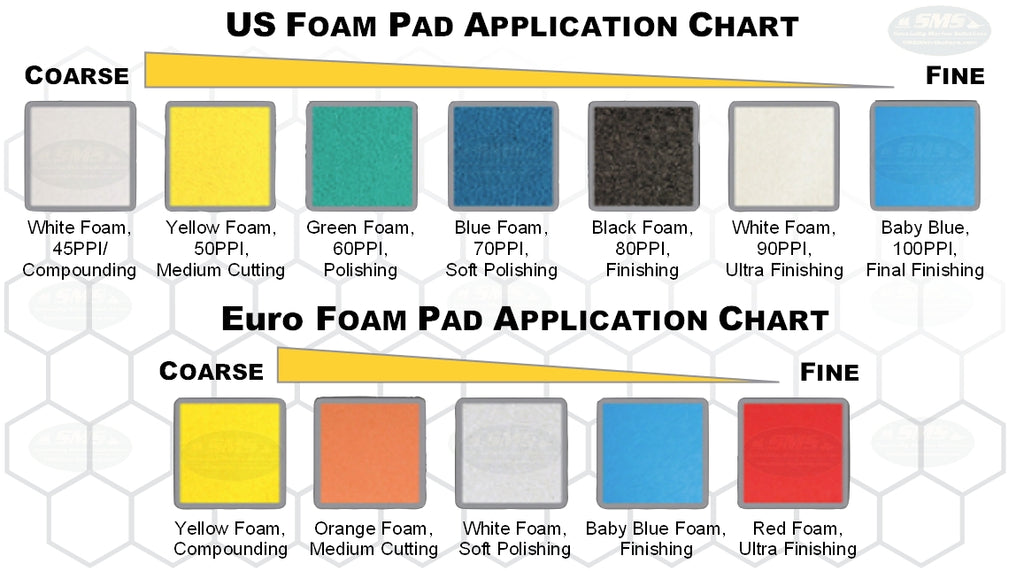
What Do The Different Colors Of Buffing Compound Mean at Barbara Feagin blog

Auto Buffing Pad Color Chart at Nathan Masterson blog

Color Chart For Buffing Pads at Tayla Wilkin blog

Car Buffing Pad Color Chart
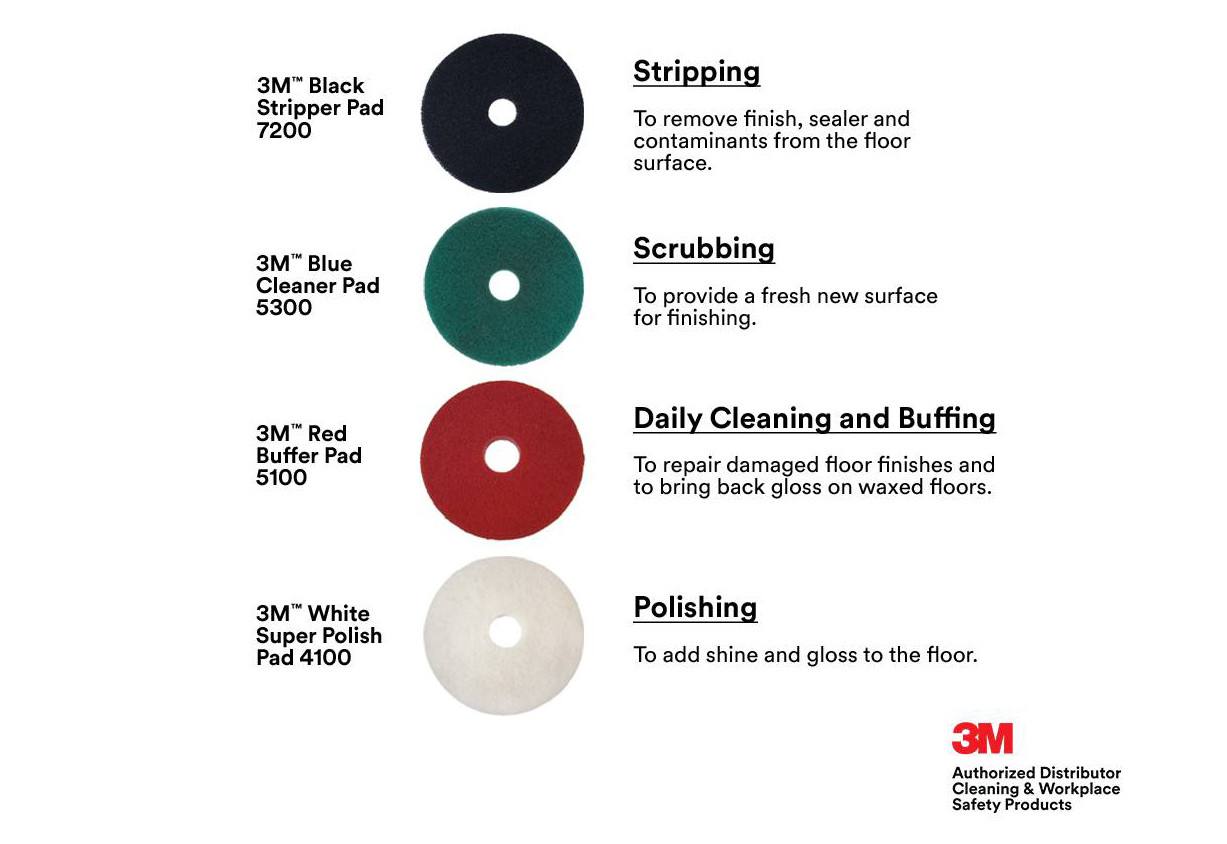
Color Chart For Buffing Pads at Tayla Wilkin blog

Car Buffing Pad Color Chart

Car Buffing Pad Color Chart

Color Chart For Buffing Pads at Tayla Wilkin blog
Chemical Guys Pad Color Chart
Buffing Is The Act Of Smoothing Out A Surface And Giving It A Shiny Appearance.
Buffing Is A Key Finishing Process Used To Create Smooth, Shiny Surfaces On Metal Components.
The Main Difference Between Buffing And Polishing Is That Buffing Removes Scratches, Marks, And Oxidation While Polishing Creates A Glossy, Reflective Finish Using A Smoother Abrasive.
Is Polishing The Same As Buffing?
Related Post: