
Antidepressant Side Effect Chart
Antidepressant Side Effect Chart - These medications come in a number of. The first antidepressant you try may work fine. They are sometimes also used to treat other conditions,. Antidepressants influence brain chemicals (neurotransmitters) that help regulate mood and other body functions and behaviors. Experts believe these brain chemicals are responsible for changes in mood and behavior. Antidepressants are medications that help relieve symptoms of depression and other mental health conditions such as anxiety. Antidepressants balance brain chemicals called neurotransmitters to ease depression symptoms, with several classes available, including ssris, snris, and maois. The top 5 antidepressants to treat depression include ssris, snris, atypical antidepressants, serotonin modulators, and cyclic antidepressants. Antidepressants are prescribed to treat major depressive disorder (mdd), anxiety disorders, chronic pain, and some addictions. Antidepressants work by increasing neurotransmitters in the brain. Although antidepressants may not cure depression, they can reduce symptoms. Antidepressants are often used in combination with one. Depression medications are prescribed to treat depression. The first antidepressant you try may work fine. Antidepressants work by increasing neurotransmitters in the brain. Antidepressants balance brain chemicals called neurotransmitters to ease depression symptoms, with several classes available, including ssris, snris, and maois. Antidepressants are medications that help relieve symptoms of depression and other mental health conditions such as anxiety. A doctor may prescribe them to you, alone or with talk therapy, after you get a diagnosis that you have moderate to. An antidepressant is the name given to a medicine that can help relieve the symptoms of depression, such as low mood, anxiety, and worthlessness. Experts believe these brain chemicals are responsible for changes in mood and behavior. Antidepressants are often used in combination with one. They are sometimes also used to treat other conditions,. The top 5 antidepressants to treat depression include ssris, snris, atypical antidepressants, serotonin modulators, and cyclic antidepressants. Antidepressants are prescribed to treat major depressive disorder (mdd), anxiety disorders, chronic pain, and some addictions. Although antidepressants may not cure depression, they can reduce symptoms. A doctor may prescribe them to you, alone or with talk therapy, after you get a diagnosis that you have moderate to. Antidepressants influence brain chemicals (neurotransmitters) that help regulate mood and other body functions and behaviors. Antidepressants work by increasing neurotransmitters in the brain. Antidepressants are often used in combination with one. These medications come in a number of. Although antidepressants may not cure depression, they can reduce symptoms. Antidepressants are prescribed to treat major depressive disorder (mdd), anxiety disorders, chronic pain, and some addictions. A doctor may prescribe them to you, alone or with talk therapy, after you get a diagnosis that you have moderate to. Antidepressants are medications that help relieve symptoms of depression and other mental. They are sometimes also used to treat other conditions,. Antidepressants are a popular treatment choice for depression. Antidepressants are medications that help relieve symptoms of depression and other mental health conditions such as anxiety. Antidepressants influence brain chemicals (neurotransmitters) that help regulate mood and other body functions and behaviors. Depression medications are prescribed to treat depression. Antidepressants are prescribed to treat major depressive disorder (mdd), anxiety disorders, chronic pain, and some addictions. A doctor may prescribe them to you, alone or with talk therapy, after you get a diagnosis that you have moderate to. Experts believe these brain chemicals are responsible for changes in mood and behavior. These medications come in a number of. The first. An antidepressant is the name given to a medicine that can help relieve the symptoms of depression, such as low mood, anxiety, and worthlessness. The top 5 antidepressants to treat depression include ssris, snris, atypical antidepressants, serotonin modulators, and cyclic antidepressants. These medications come in a number of. Antidepressants balance brain chemicals called neurotransmitters to ease depression symptoms, with several. Antidepressants work by increasing neurotransmitters in the brain. Antidepressants are a popular treatment choice for depression. Antidepressants are medications that help relieve symptoms of depression and other mental health conditions such as anxiety. An antidepressant is the name given to a medicine that can help relieve the symptoms of depression, such as low mood, anxiety, and worthlessness. Antidepressants balance brain. The top 5 antidepressants to treat depression include ssris, snris, atypical antidepressants, serotonin modulators, and cyclic antidepressants. Antidepressants are a popular treatment choice for depression. The first antidepressant you try may work fine. They are sometimes also used to treat other conditions,. Experts believe these brain chemicals are responsible for changes in mood and behavior. Antidepressants work by increasing neurotransmitters in the brain. Antidepressants are a popular treatment choice for depression. Antidepressants balance brain chemicals called neurotransmitters to ease depression symptoms, with several classes available, including ssris, snris, and maois. An antidepressant is the name given to a medicine that can help relieve the symptoms of depression, such as low mood, anxiety, and worthlessness. Antidepressants. Antidepressants are medications that help relieve symptoms of depression and other mental health conditions such as anxiety. A doctor may prescribe them to you, alone or with talk therapy, after you get a diagnosis that you have moderate to. They are sometimes also used to treat other conditions,. Depression medications are prescribed to treat depression. Antidepressants influence brain chemicals (neurotransmitters). An antidepressant is the name given to a medicine that can help relieve the symptoms of depression, such as low mood, anxiety, and worthlessness. Antidepressants are prescribed to treat major depressive disorder (mdd), anxiety disorders, chronic pain, and some addictions. Antidepressants balance brain chemicals called neurotransmitters to ease depression symptoms, with several classes available, including ssris, snris, and maois. Depression medications are prescribed to treat depression. Antidepressants are often used in combination with one. Antidepressants influence brain chemicals (neurotransmitters) that help regulate mood and other body functions and behaviors. Although antidepressants may not cure depression, they can reduce symptoms. Antidepressants are medications that help relieve symptoms of depression and other mental health conditions such as anxiety. They are sometimes also used to treat other conditions,. Antidepressants are a popular treatment choice for depression. The top 5 antidepressants to treat depression include ssris, snris, atypical antidepressants, serotonin modulators, and cyclic antidepressants. Experts believe these brain chemicals are responsible for changes in mood and behavior.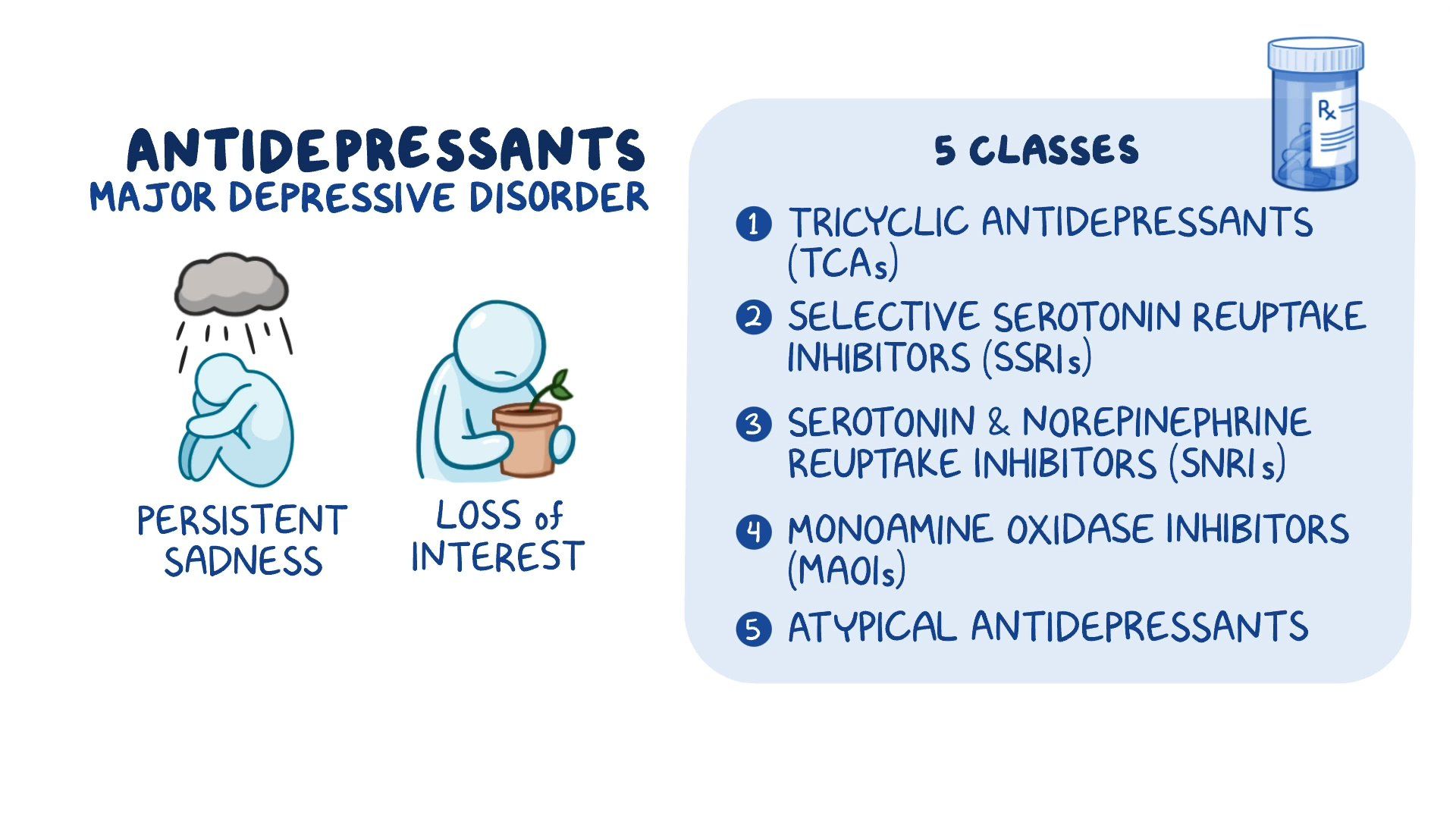
Antidepressant and Mood Stabilizer Drug Therapy Osmosis Video Library

Antidepressant Prescriptions Agency for Healthcare Research and Quality
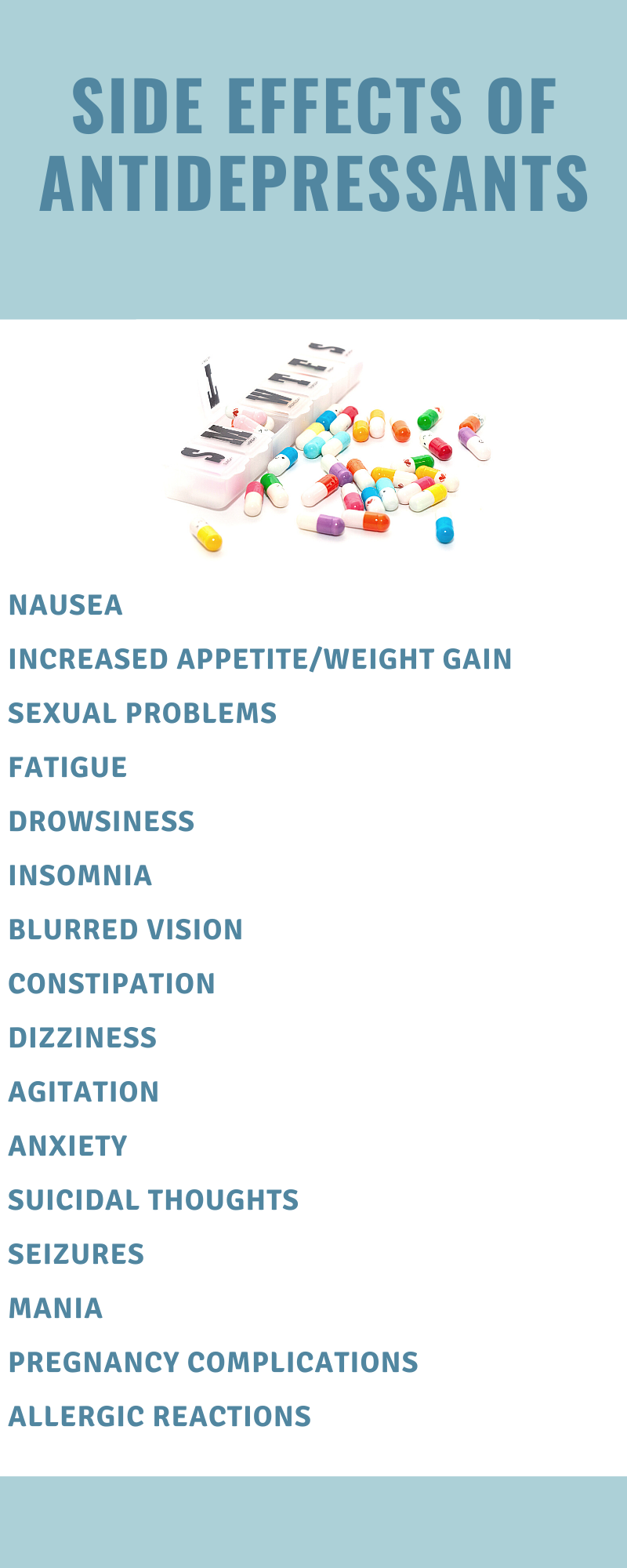
Side Effects of Antidepressants, Types, List, Information Prescription Hope
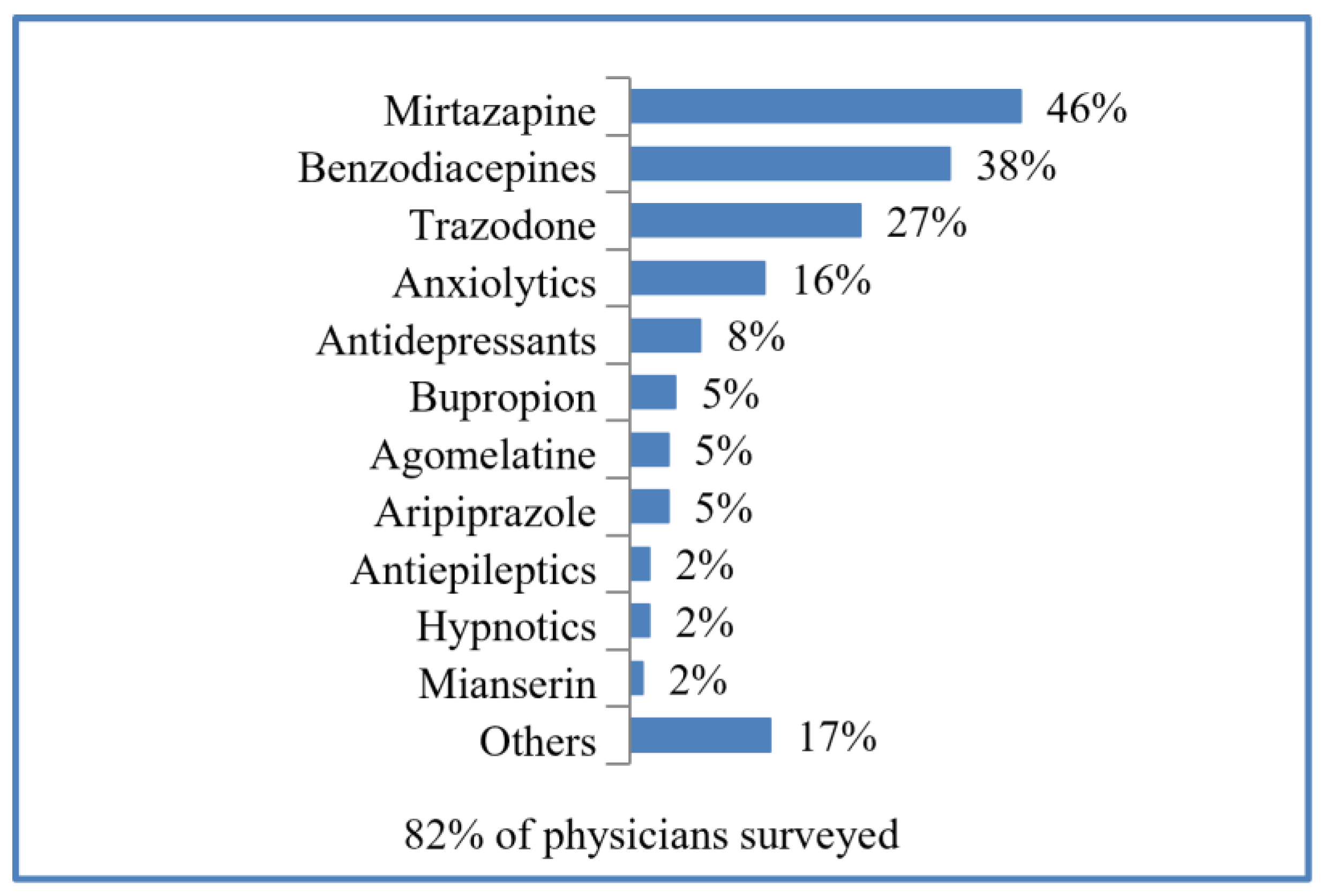
Current Opinions about the Use of Duloxetine Results from a Survey Aimed at Psychiatrists
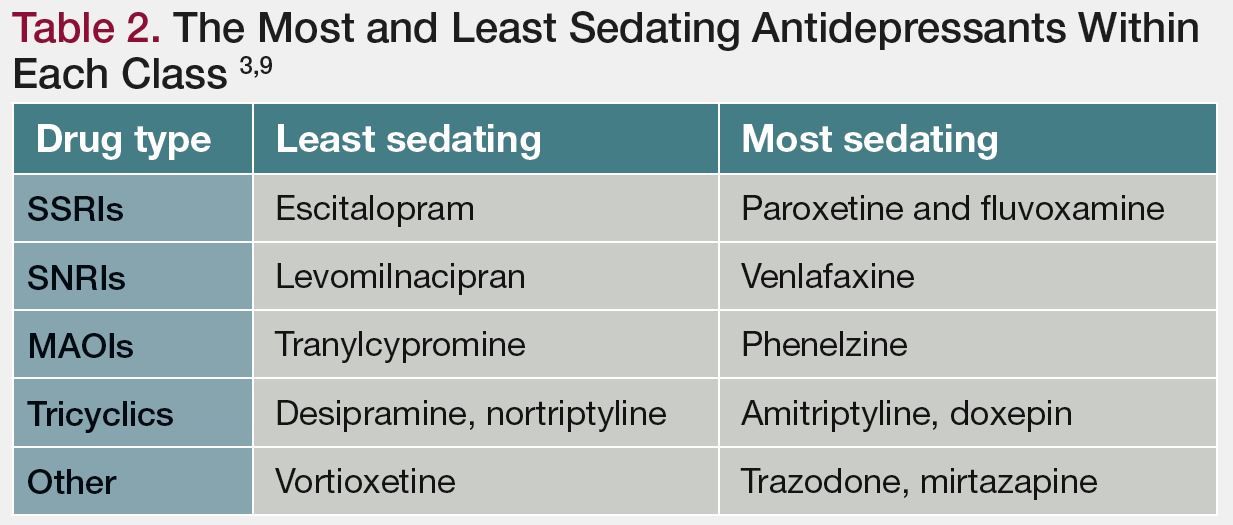
Sedation The Ups and Downs of a Side Effect
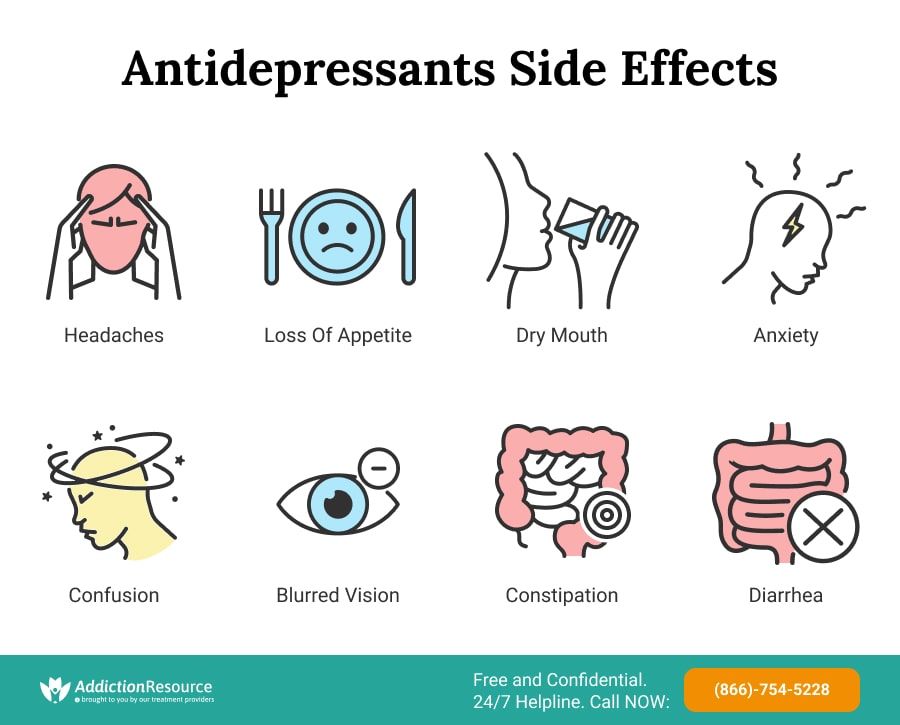
Antidepressant Side Effects The Long And Short Term Effects
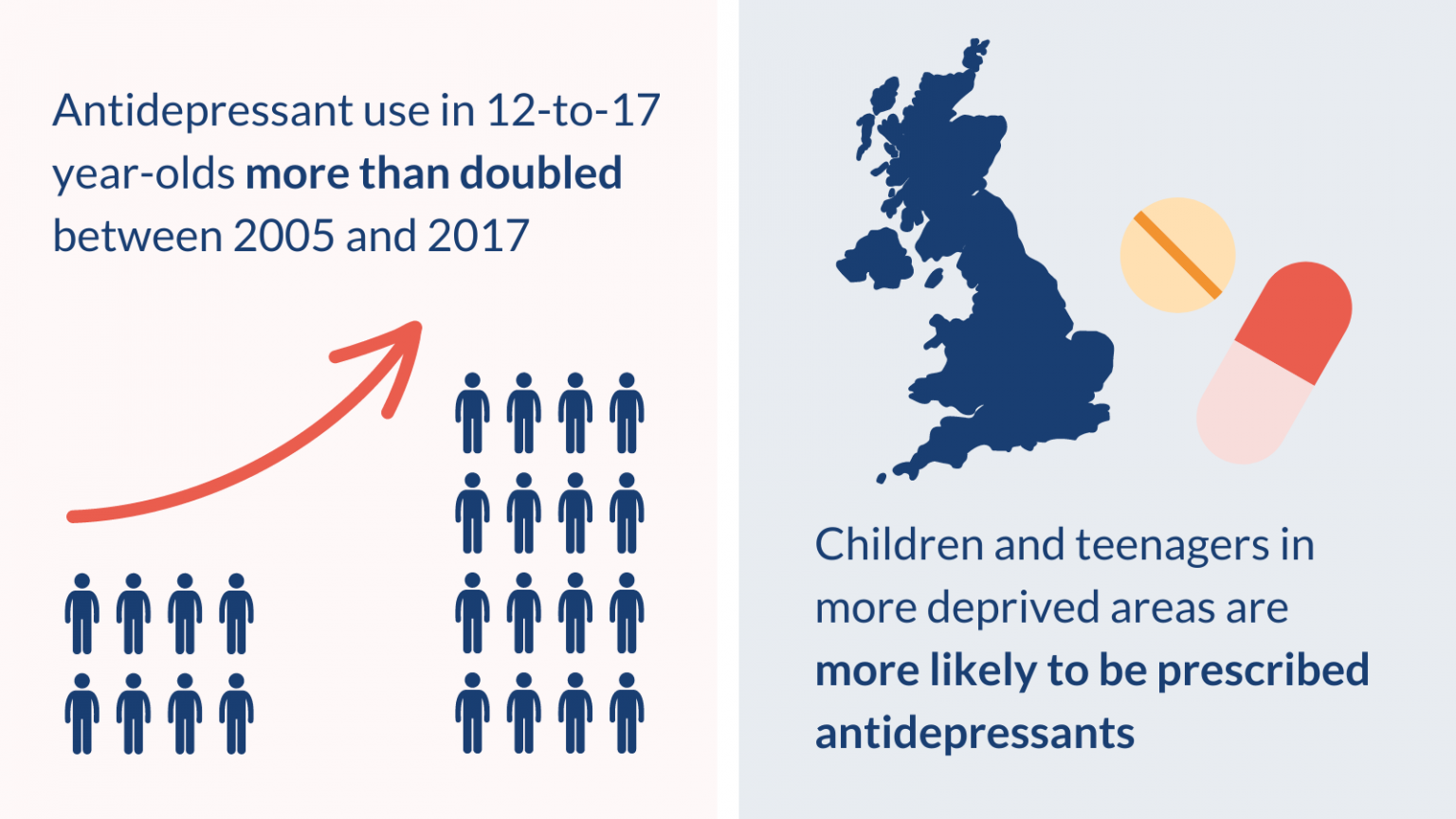
Antidepressants for children and teenagers what works?
00262-6/asset/b5938ca2-fc56-410b-be83-25ae2d0c6111/main.assets/gr4a_lrg.jpg)
Antidepressant and antipsychotic sideeffects and personalised prescribing a systematic review
00262-6/asset/5f9aa421-759f-465a-96b8-244f2a3810c1/main.assets/gr5b.jpg)
Antidepressant and antipsychotic sideeffects and personalised prescribing a systematic review

Antidepressants Made Easy Epomedicine
The First Antidepressant You Try May Work Fine.
Antidepressants Work By Increasing Neurotransmitters In The Brain.
These Medications Come In A Number Of.
A Doctor May Prescribe Them To You, Alone Or With Talk Therapy, After You Get A Diagnosis That You Have Moderate To.
Related Post: