
Antibody Chart
Antibody Chart - The basic functional unit of an antibody is known as an immunoglobulin (ig) which is monomeric, while the secreted. Antibody, a protective protein produced by the immune system in response to the presence of a foreign substance, called an antigen. Antibody production begins with the activation of b cells, a type of white blood cell pivotal to adaptive immunity. An antibody is a protein that develops in response to a foreign invader (the antigen). Antibodies recognize and latch onto. Antibodies are proteins that help your immune system respond to infections and illnesses by attaching to pathogens and neutralizing them. Each antibody produced by your immune system binds to a specific antigen and then either destroys the pathogen or tags it so other immune cells will recognize it. An antibody is a protein produced by your immune system to attack and fight off these antigens. This chapter defines what an antigen is and. The five antibody classes produced by the body include igg, igm, iga, igd, and ige. An antibody is a protein that develops in response to a foreign invader (the antigen). The basic functional unit of an antibody is known as an immunoglobulin (ig) which is monomeric, while the secreted. This chapter defines what an antigen is and. This activation is typically triggered when b cells encounter antigens,. Antibody production begins with the activation of b cells, a type of white blood cell pivotal to adaptive immunity. The five antibody classes produced by the body include igg, igm, iga, igd, and ige. Antibody, a protective protein produced by the immune system in response to the presence of a foreign substance, called an antigen. Each antibody produced by your immune system binds to a specific antigen and then either destroys the pathogen or tags it so other immune cells will recognize it. How do antibodies fight off antigens? Antibodies are proteins that help your immune system respond to infections and illnesses by attaching to pathogens and neutralizing them. The basic functional unit of an antibody is known as an immunoglobulin (ig) which is monomeric, while the secreted. This chapter defines what an antigen is and. Antibody, a protective protein produced by the immune system in response to the presence of a foreign substance, called an antigen. They also modulate the antibody affinity to the fcr (s). An antibody. This chapter defines what an antigen is and. The five antibody classes produced by the body include igg, igm, iga, igd, and ige. Antibody, a protective protein produced by the immune system in response to the presence of a foreign substance, called an antigen. They also modulate the antibody affinity to the fcr (s). Antibodies are proteins that help your. An antigen can be a protein, lipid, carbohydrate, or nucleic acid. An antibody is a protein that develops in response to a foreign invader (the antigen). The molecules on the surfaces of. An antibody is a protein produced by your immune system to attack and fight off these antigens. The basic functional unit of an antibody is known as an. How do antibodies fight off antigens? Antibody production begins with the activation of b cells, a type of white blood cell pivotal to adaptive immunity. Antibodies recognize and latch onto. An antibody is a protein produced by your immune system to attack and fight off these antigens. The basic functional unit of an antibody is known as an immunoglobulin (ig). How do antibodies fight off antigens? Antibodies recognize and latch onto. This activation is typically triggered when b cells encounter antigens,. An antibody is a protein that develops in response to a foreign invader (the antigen). The basic functional unit of an antibody is known as an immunoglobulin (ig) which is monomeric, while the secreted. Antibodies recognize and latch onto. The molecules on the surfaces of. How do antibodies fight off antigens? This chapter defines what an antigen is and. This activation is typically triggered when b cells encounter antigens,. How do antibodies fight off antigens? Antibody, a protective protein produced by the immune system in response to the presence of a foreign substance, called an antigen. Each antibody produced by your immune system binds to a specific antigen and then either destroys the pathogen or tags it so other immune cells will recognize it. Antibody production begins with the. Each antibody produced by your immune system binds to a specific antigen and then either destroys the pathogen or tags it so other immune cells will recognize it. An antibody is a protein that develops in response to a foreign invader (the antigen). The basic functional unit of an antibody is known as an immunoglobulin (ig) which is monomeric, while. They also modulate the antibody affinity to the fcr (s). Antibodies are proteins that help your immune system respond to infections and illnesses by attaching to pathogens and neutralizing them. Antibodies recognize and latch onto. How do antibodies fight off antigens? An antibody is a protein that develops in response to a foreign invader (the antigen). How do antibodies fight off antigens? Antibody, a protective protein produced by the immune system in response to the presence of a foreign substance, called an antigen. They also modulate the antibody affinity to the fcr (s). An antibody is a protein that develops in response to a foreign invader (the antigen). Each antibody produced by your immune system binds. Antibodies recognize and latch onto. An antigen can be a protein, lipid, carbohydrate, or nucleic acid. The molecules on the surfaces of. Each antibody produced by your immune system binds to a specific antigen and then either destroys the pathogen or tags it so other immune cells will recognize it. This activation is typically triggered when b cells encounter antigens,. How do antibodies fight off antigens? Antibody production begins with the activation of b cells, a type of white blood cell pivotal to adaptive immunity. Antibodies are proteins that help your immune system respond to infections and illnesses by attaching to pathogens and neutralizing them. Antibody, a protective protein produced by the immune system in response to the presence of a foreign substance, called an antigen. An antibody is a protein produced by your immune system to attack and fight off these antigens. They also modulate the antibody affinity to the fcr (s). The basic functional unit of an antibody is known as an immunoglobulin (ig) which is monomeric, while the secreted.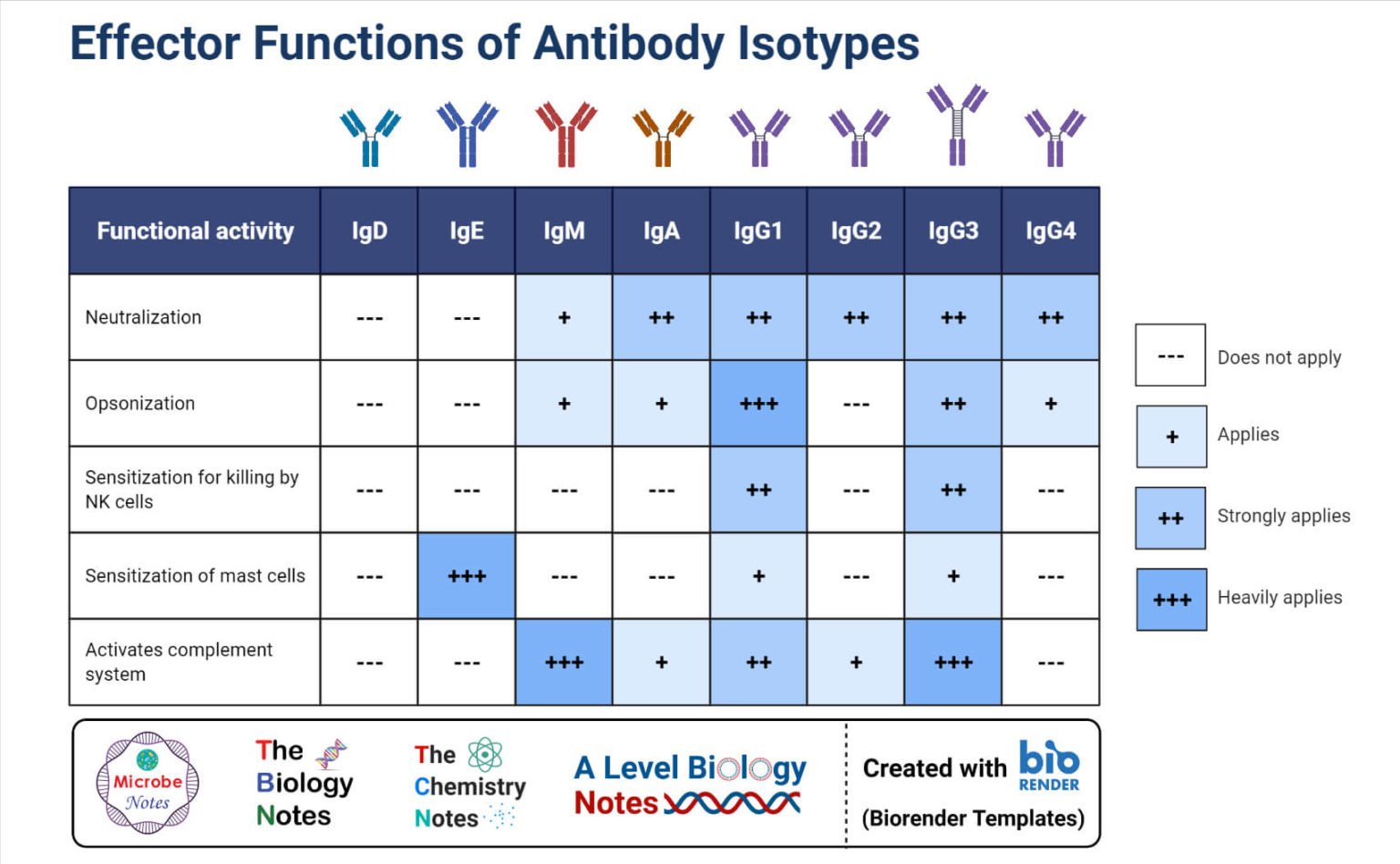
5 Types of Immunoglobulins IgG, IgM, IgA, IgD, and IgE

Classes of Antibodies Diagram_highlands.edu Immunity Nursing, Med Lab, Medical Laboratory

Types of Antibodies and Their Functions
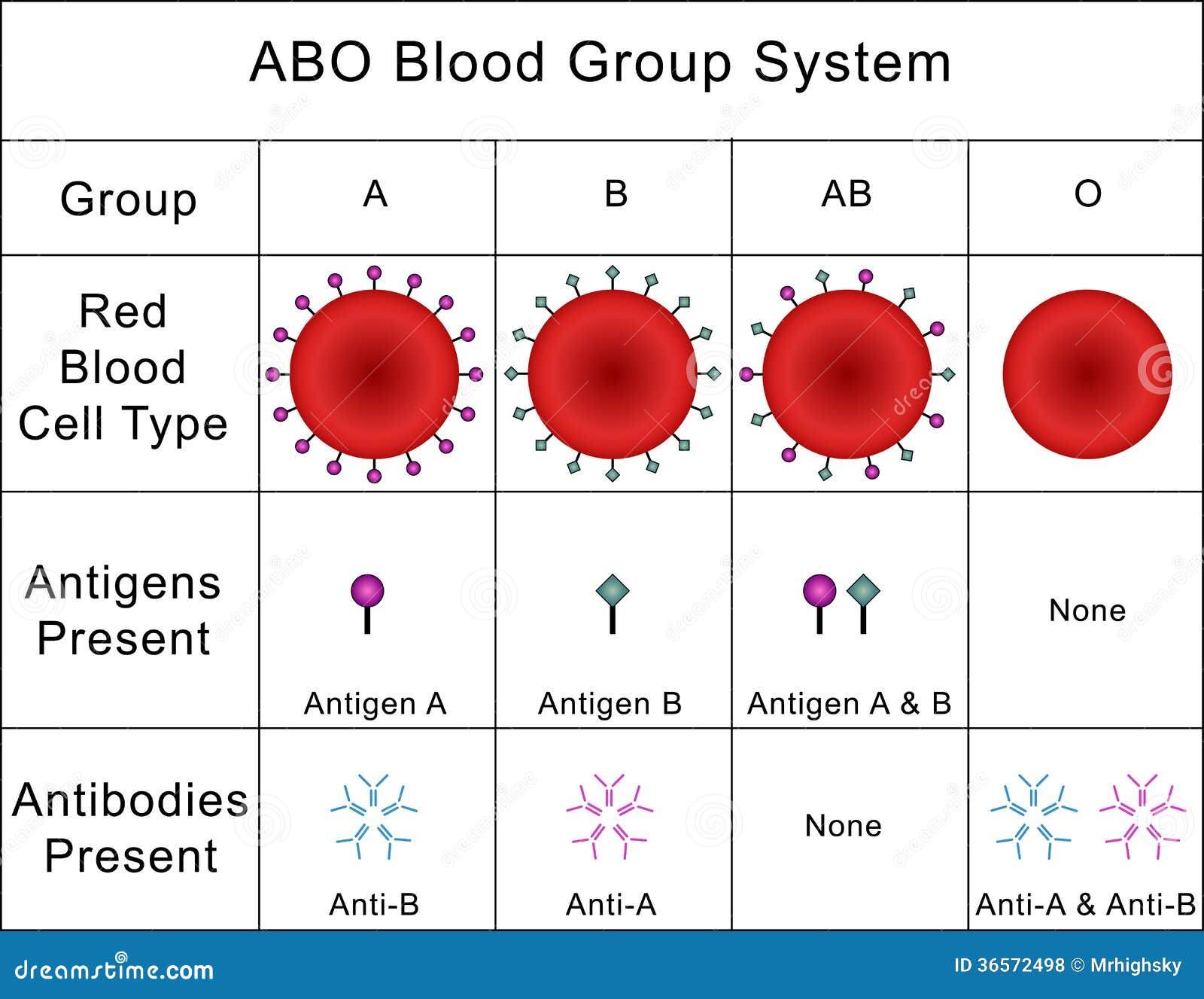
ABO Blood Group System stock photo. Image of study, antigens 36572498
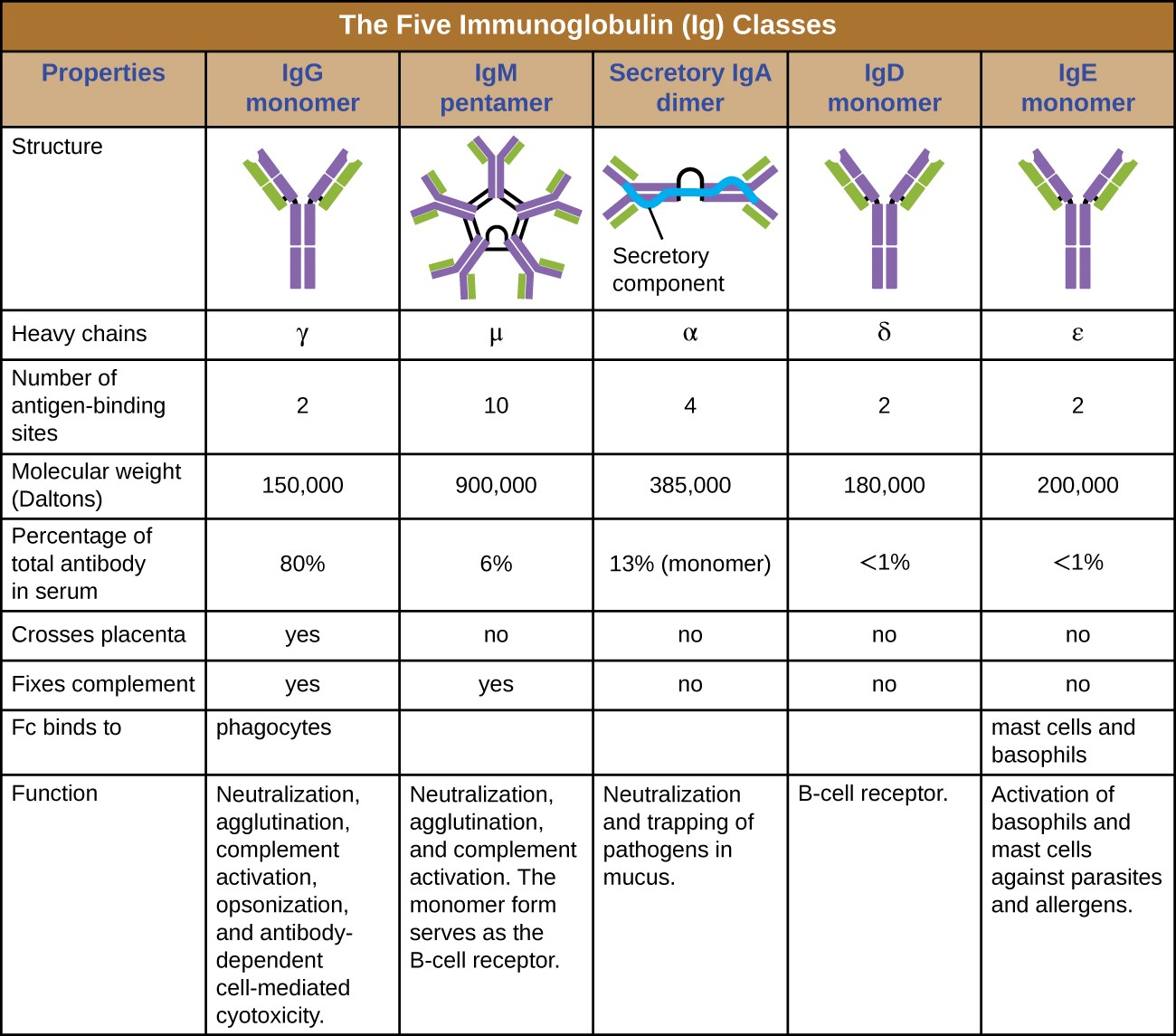
Antibody Test Blood Cells at Virginia Cox blog
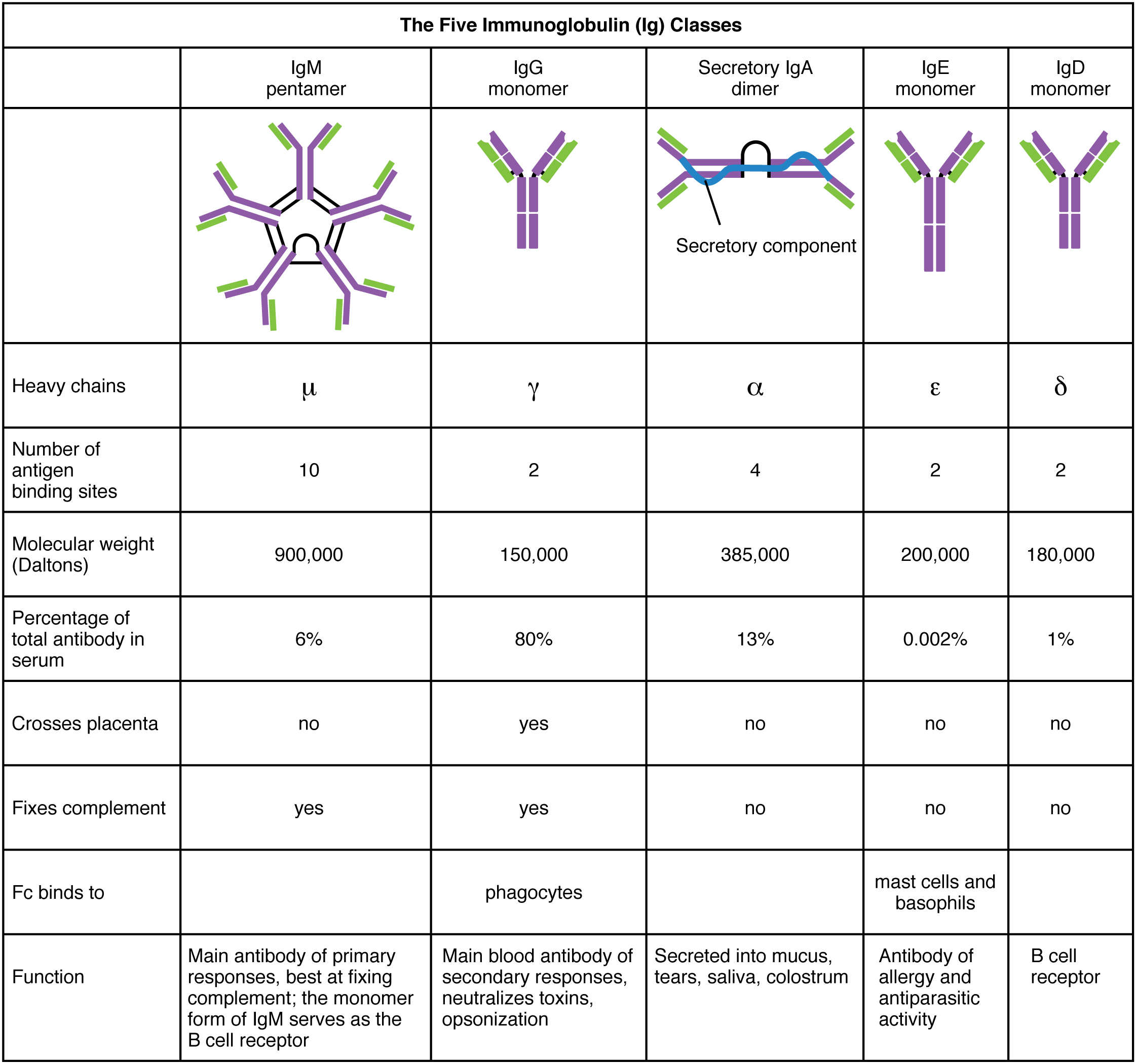
Immune Response Immune Cell Types Geeky Medics
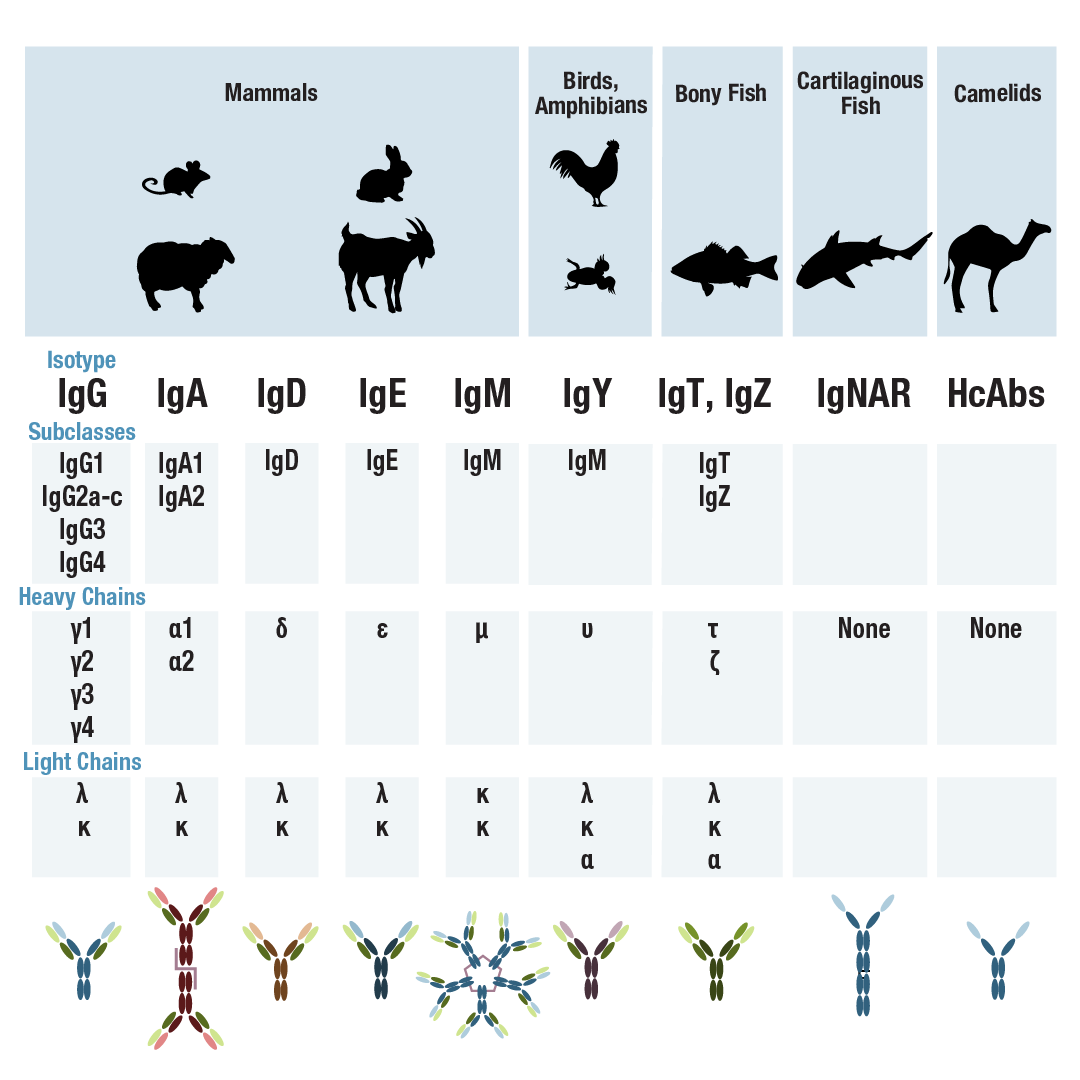
Antibody Essentials Part 2 Antibody Diversity and Classification
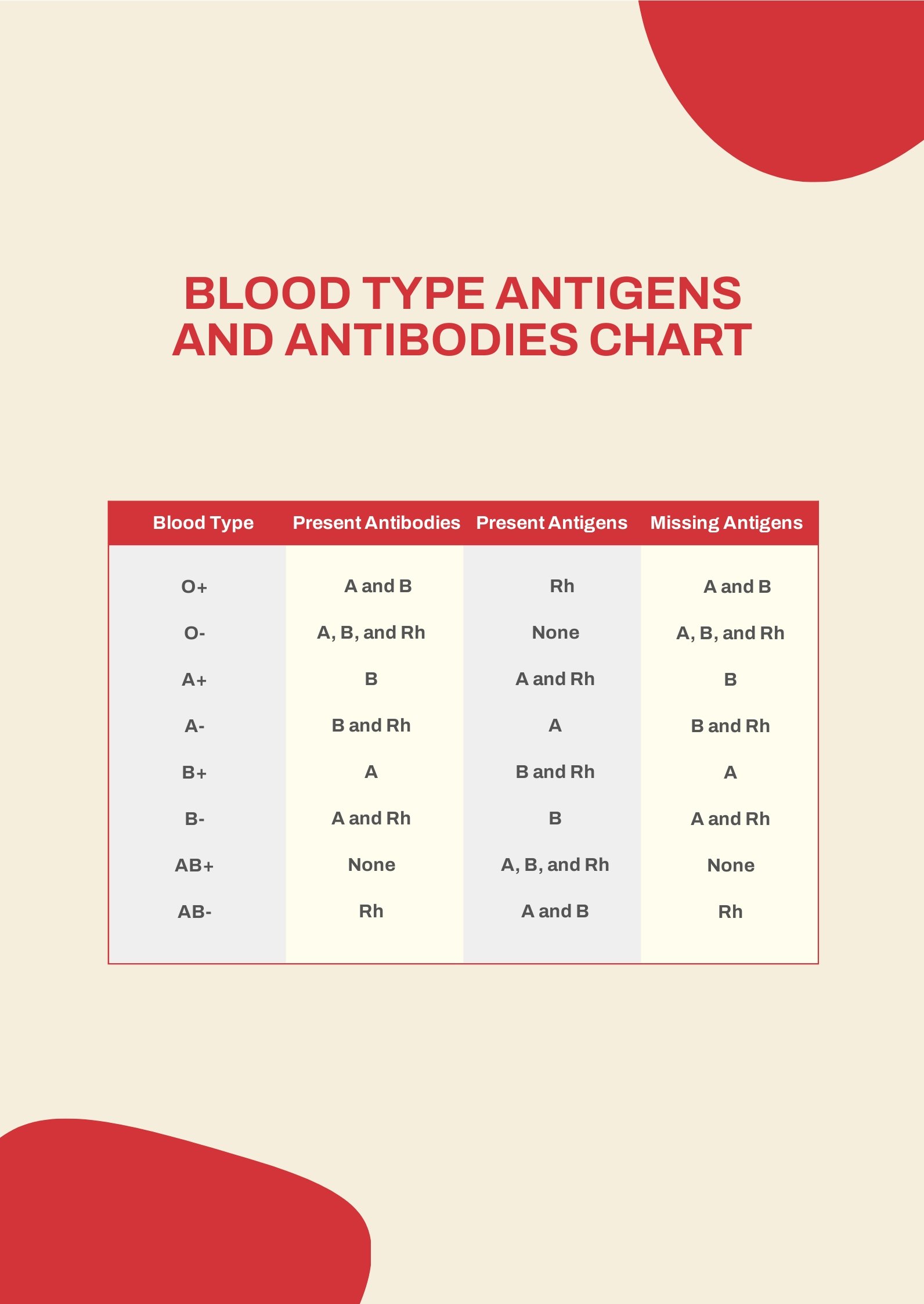
Antigen Antibody Blood Type Chart at Rafael Gilliam blog

Blood Typing Lab Test (Simulation) Human Bio Media
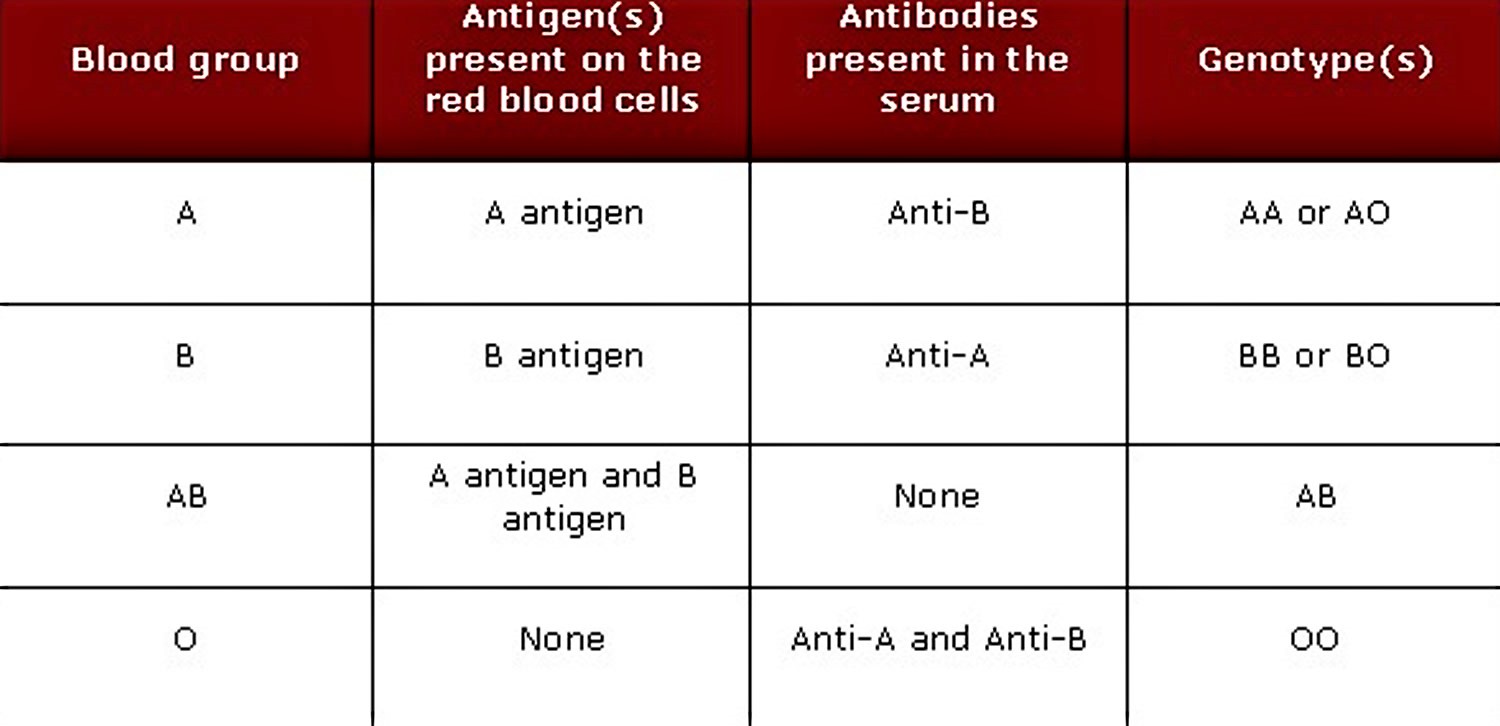
Human blood types explained, how do blood types work & blood types inheritance
The Five Antibody Classes Produced By The Body Include Igg, Igm, Iga, Igd, And Ige.
This Chapter Defines What An Antigen Is And.
An Antibody Is A Protein That Develops In Response To A Foreign Invader (The Antigen).
Related Post: